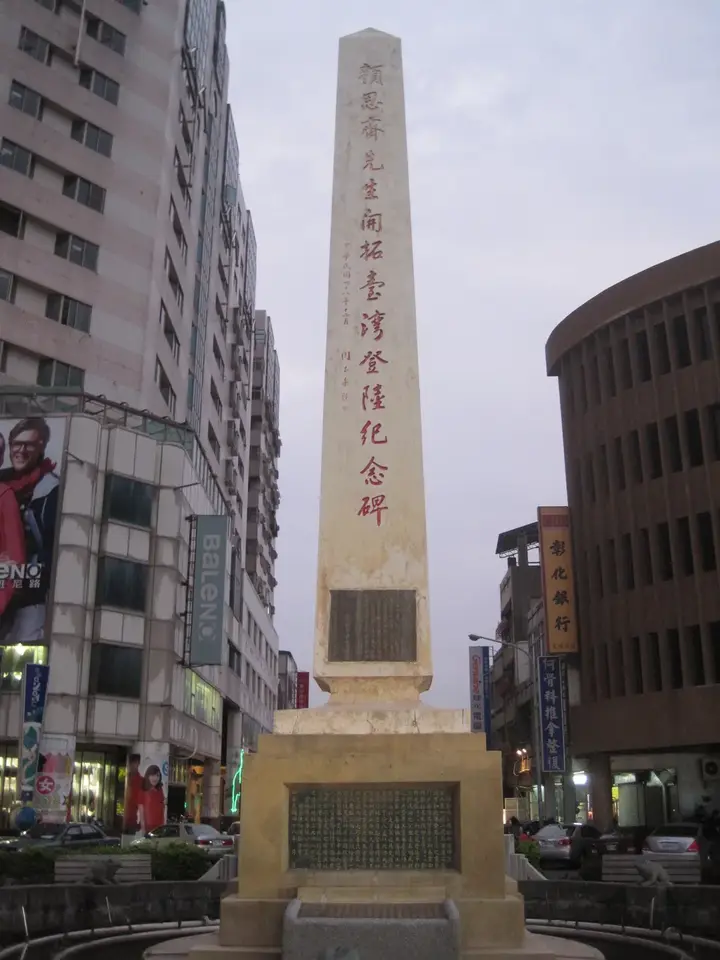
Life and Career
Gallant Youth and Exile in Japan
Yan Siqi was born in 1586 in Qingjiao Village, Haicheng County, located near the vital maritime gateway of the Jiulong River estuary. The regional populace had long engaged in seafaring and overseas voyages. Yan possessed robust physical strength, mastery of swordsmanship and horsemanship, and a spirited, chivalric temperament. During his youth, an arrogant local official household bullied local villagers, and its retainers behaved lawlessly. Outraged by their conduct, Yan struck down an abusive servant in a violent confrontation. To spare his lineage from collective punishment and avoid official capture, Yan fled to the coast and boarded a merchant vessel sailing for Japan.
Upon arriving in Japan, Yan resided between Nagasaki and Hirado. The Tokugawa Shogunate had recently pacified the realm, and Hirado served as an international trade hub hosting Chinese, Portuguese, Spanish, and Dutch merchants. Initially working as a tailor, Yan leveraged his business acumen and boldness to transition into overseas maritime transport. Known for keeping his word and aiding those in distress, he earned immense respect among Chinese expatriates, who regarded him as a community leader. During this period, the young Zheng Zhilong arrived from southern Fujian to seek out his maternal uncle; facing destitution, Zheng sought Yan's patronage. Recognizing Zheng's intelligence and linguistic talents, Yan accepted him as an adoptive brother and sworn companion. In 1623, Yan convened twenty-eight trusted figures, including Zheng Zhilong, Yang Tiansheng, Chen Zhongji, and Li Ying, swearing a pact of brotherhood known historically as the "Twenty-Eight Constellations" to coordinate their armed shipping network.
Failed Uprising and Migration to Taiwan
In 1624, local Tokugawa magistrates imposed heavy levies and severe restrictions on Chinese merchants in Nagasaki. Unwilling to endure administrative oppression, Yan Siqi coordinated with expatriate merchants and disenfranchised Japanese masterless samurai (ronin) to plan an armed uprising scheduled for the ninth lunar month to overturn the Nagasaki magistrate's office. However, an associate leaked the plot, prompting shogunal authorities to surround their quarters with heavily armed troops.
Displaying remarkable composure, Yan led Zheng Zhilong and his core cohort in a fierce breakout through the encirclement. Reaching the docks, they seized thirteen deep-draft ocean junks and set sail into open waters. Shogunal patrol boats pursued them, but Yan utilized his superior knowledge of the currents to repel them. Once clear of Japanese waters, Yan recognized that Taiwan (then known as Dayuan) possessed fertile plains and virgin forests while remaining free of both Ming and Tokugawa administration. After days of navigating stormy seas, Yan's fleet landed safely at Wanggang and Bengang (spanning modern Beigang, Yunlin, and Xingang, Chiayi) on the western coast of Taiwan in autumn 1624.
Fortifying Settlements and Recruiter of Reclamation
Following his arrival, Yan assessed the vast arable expanses of the western coastal plain and resolved to establish a permanent settlement. Centering operations at Bengang, he constructed the renowned Bengang Ten Encampments (Bengang Shizhai), comprising a headquarters camp, left and right flank posts, advance and rear outposts, and grain depots. Yan instituted strict military discipline, forbidding his followers from pillaging or harassing indigenous settlements. He adopted a conciliatory policy toward neighbouring Pingpu indigenous tribes, presenting gifts of cloth, salt, iron utensils, and porcelain, concluding peace pacts and establishing mutually beneficial barter systems.
Recognizing that several hundred followers were insufficient to cultivate extensive wilderness, Yan initiated a strategic migration initiative in early 1625. He dispatched Yang Tiansheng and Chen Zhongji with large junks back to Zhangzhou and Quanzhou. At that time, southern Fujian suffered from severe drought and punitive agrarian levies. Yan's agents distributed travel funds, inviting impoverished families to settle in Taiwan. The call resonated widely, and over three thousand settlers crossed the strait in the initial migration wave.
Yan settled these families around the encampments, distributing draught cattle, seeds, and farming tools without charge. He organized drainage projects, dyke construction, and irrigation ditches, turning thousands of acres of wasteland into productive rice paddies. Concurrently, he deployed experienced mariners for fishing, salt manufacturing, and camphor harvesting, transforming the desolate coastal plains into flourishing settlements and inaugurating large-scale Han agricultural colonisation of Taiwan.
Illness in Zhuluo and Untimely Passing
Just as his reclamation initiatives were expanding rapidly, unexpected disease struck. In the ninth lunar month of 1625, Yan led an expedition into the Zhuluo mountains (modern Chiayi region) to survey terrain and organize hunting parties. Dense subtropical rainforests and persistent seasonal deluges took a severe toll on the men, and Yan contracted severe malaria and typhoid.
Upon returning to the Bengang headquarters, Yan's condition deteriorated rapidly. Sensing his imminent demise, he summoned his sworn brothers to his bedside on October 22, 1625 (21st day of the 9th lunar month), entreating them to preserve unity and pursue the sustained development of Taiwan. He formally designated Zheng Zhilong as his successor. Yan passed away at the age of forty and was interred on the slopes of the Zhuluo mountains (modern Jianshan, Sanjiepu, Shuishang Township, Chiayi County). Zheng Zhilong assumed command, preserving the agrarian and naval foundation that his son, Zheng Chenggong (Koxinga), later utilized to liberate and govern Taiwan.
Major Achievements
Pioneering Organized Han Reclamation in Taiwan
Prior to the early seventeenth century, Chinese contact with Taiwan was largely limited to transient seasonal fishermen and piratical raiders. Yan Siqi's expedition marked the first structured, intentional, and programmatic Han agricultural colonisation of the island. The administrative framework of his Ten Encampments served as an embryonic local governance structure, while his agrarian policies transitioned the island from slash-and-burn horticulture into settled sedentary agriculture, leading modern historians to honour him as the foundational pioneer of Taiwan's historical development.
Organizing Maritime Migration and Laying Demographic Foundations
Yan demonstrated profound strategic foresight by addressing regional imbalances: the acute land shortage and famine in southern Fujian versus the vast uncultivated plains of western Taiwan. By financing shipping, offering relocation stipends, and providing initial seed capital and draft animals, he established the earliest trans-strait migration corridor. The thousands of Fujianese settlers he introduced established the permanent demographic, cultural, and linguistic dominance of Han society in Taiwan.
Establishing Peaceful Indigenous Trade and Coastal Defence
In his diplomatic and regional strategy, Yan avoided aggressive military conquest, choosing instead peaceful trade and alliance with indigenous communities. By respecting native customs and conducting equitable trade, he secured stability for his agrarian settlements. Furthermore, by fortifying coastal anchorages and establishing maritime beacon posts, he deterred pirate raids and established an offshore bastion that later enabled Zheng Zhilong and Koxinga to maintain naval supremacy across the Taiwan Strait.