熊秉坤
Related historical visual for Xiong Bingkun
Image creditsUnknown authorUnknown author · Public domainImage source

Historical figure

Xiong Bingkun (熊秉坤)

熊秉坤

Xiong Bingkun (熊秉坤, 1884–1969), courtesy name Zaiqian, was a native of Jiangxia County, Hubei Province (modern Jiangxia District, Wuhan). He was an outstanding democratic pioneer, a celebrated revolutionary leader of the 1911 Revolution (Xinhai Revolution), and the historical protagonist credited with firing the first shot of the Wuchang Uprising. Enlisting in the Eighth Engineering Battalion of the Hubei New Army, he…

Late Qing / Republic of China

PROFILE

Xiong Bingkun (熊秉坤, 1884–1969), courtesy name Zaiqian, was a native of Jiangxia County, Hubei Province (modern Jiangxia District, Wuhan). He was an outstanding democratic pioneer, a celebrated revolutionary leader of the 1911 Revolution (Xinhai Revolution), and the historical protagonist credited with firing the first shot of the Wuchang Uprising. Enlisting in the Eighth Engineering Battalion of the Hubei New Army, he advanced to squad leader (zhengmu). Inspired by democratic revolutionary thought, Xiong Bingkun joined the underground revolutionary society Gongjinhui (Society of Mutual Progress), being acclaimed as the representative of the engineering battalion. On October 9, 1911, the Hankou headquarters was accidentally exposed by a bomb explosion, leading to the execution of martyrs Peng Chufan and Liu Fuji and nationwide manhunts by Qing authorities. With the supreme revolutionary command severed, Xiong Bingkun blew the assembly whistle in the barracks at approximately 7:00 PM on October 10, leading his soldiers to fire the historic first shot of the Wuchang Uprising. He spearheaded the assault on the Chu Wang Tai Armory, securing tens of thousands of rifles and ammunition to arm the rising garrisons. Electing officer Wu Zhaolin as wartime commander, his forces overran the Viceroyalty of Huguang, sounding the death knell for imperial feudal dynastic rule. Following the founding of the Republic, Dr. Sun Yat-sen personally celebrated his monumental service. After 1949, he served on the National Committee of the CPPCC, passing away in Beijing in 1969.

Native Place
Jiangxia County, Hubei (Modern Jiangxia District, Wuhan, Hubei)
Birth Date
December 22, 1884 (Tenth Year of the Guangxu Reign)
Death Date
May 30, 1969
Lifespan
85
Dynasty
Late Qing / Republic of China
Highest Office
Lieutenant General of the Republic of China Army, Member of the National Committee of the CPPCC
Major Offices
Squad Leader (Zhengmu) of the Eighth Engineering Battalion, Regimental Commander of the Revolutionary Army, Member of the CPPCC
Accurate Identity Positioning
Preeminent Hero of the 1911 Revolution, Representative Figure Who Fired the Historic First Shot of the Wuchang Uprising

LIFE TIMELINE

Relationship graph

BIOGRAPHY

Chronology

  • 1884 (Tenth Year of the Guangxu Reign) | Birth in Jiangxia | Born into an impoverished rural family in Jiangxia, demonstrating courage and perseverance.
  • 1904 (Thirtieth Year of the Guangxu Reign) | Enlistment in the New Army | Joined the Eighth Engineering Battalion of the Eighth Division of the Hubei New Army, rising to squad leader.
  • 1911 (Spring of the Third Year of Xuantong) | Joining the Gongjinhui | Secretly joined the Gongjinhui, organizing underground revolutionary cells across the barracks.
  • 1911 (Night of October 10) | The Historic First Shot | Sounded the assembly whistle, initiated the mutiny, and captured the strategic Chu Wang Tai Armory.
  • 1911 (October 11) | Liberation of Wuchang | Stormed the Viceroyalty compound, facilitating the establishment of the Hubei Military Government under Li Yuanhong.
  • 1912 (First Year of the Republic) | National Acclaim | Commended by Sun Yat-sen in Wuhan; granted the rank of Major General by the Provisional Government.
  • 1913 (Second Year of the Republic) | The Second Revolution | Participated in campaigns against Yuan Shikai imperial monarchical ambitions.
  • 1969 (Twentieth Year of the PRC) | Death in Beijing | Passed away at age eighty-five in Beijing; interred in the Babaoshan Revolutionary Cemetery.

Life and Career

Enlisting in the New Army and Revolutionary Organizing

Xiong Bingkun worked as a coppersmith and boatman during his adolescence, witnessing the economic exploitation of the laboring classes under the Qing dynasty. In 1904, the Qing government recruited troops to form the modernized Hubei New Army in Wuhan. Xiong Bingkun enlisted in the Eighth Engineering Battalion of the Eighth Division. Due to his battlefield discipline, engineering skill, and topographical aptitude, he was promoted to squad leader (zhengmu).

In the spring of 1911, the Tongmenghui and its Central China branch mobilized resources for an armed insurrection along the Yangtze Valley. Revolutionary organizers Sun Wu and Ju Zheng infiltrated the New Army to recruit capable commanders. Xiong Bingkun embraced republican ideals, officially joining the Gongjinhui. Using his military rank as cover, he covertly enlisted dozens of soldiers, establishing confidential party groups and earning selection as the battalion general representative.

Capturing Chu Wang Tai and the First Shot of the Revolution

On October 9, 1911, an accidental bomb explosion occurred at the Gongjinhui headquarters in the Russian Concession of Hankou. Qing Viceroy Ruicheng closed the city gates and launched widespread sweeps. Three revolutionaries—Peng Chufan, Liu Fuji, and Yang Hongsheng—were executed, while supreme commander Jiang Yiwu went into hiding, paralyzing the revolutionary leadership.

On October 10, imperial officers ordered all soldiers confined to quarters and ammunition impounded. Recognizing that inaction meant annihilation, Xiong Bingkun issued clandestine directives through the barracks to initiate the revolt that night. At approximately 7:00 PM, when squad soldier Jin Zhaolong wrestled with platoon commander Tao Qisheng over concealed cartridges, Xiong Bingkun sounded his whistle in the corridor, drawing his weapon and shooting dead officer Ruan Rongfa, thereby firing the historic first shot of the Wuchang Uprising.

Leading over forty armed soldiers out of the barracks, Xiong Bingkun charged the Chu Wang Tai Armory, located only several hundred meters away. The garrison guards, inspired by Xiong Bingkun appeals, opened the gates and defected. The revolutionaries captured over twenty thousand modern magazine rifles, millions of rounds of ammunition, and dozens of artillery pieces, providing essential weaponry for mutinying regiments across the city. Xiong Bingkun then acclaimed officer Wu Zhaolin as tactical commander, personally leading front-line assaults against the fortified Viceroyalty. By dawn, Viceroy Ruicheng and Provincial Commander Zhang Biao had fled, and Wuchang was liberated.

Service to the Republic and Later Life

Following the proclamation of the Hubei Military Government, Xiong Bingkun was appointed regimental commander of the Fifth Banner, leading troops in the intense battles of Hankou and Hanyang. In April 1912, Sun Yat-sen visited Wuhan, embracing Xiong Bingkun and lauding him as the primary hero who fired the opening shot of the revolution.

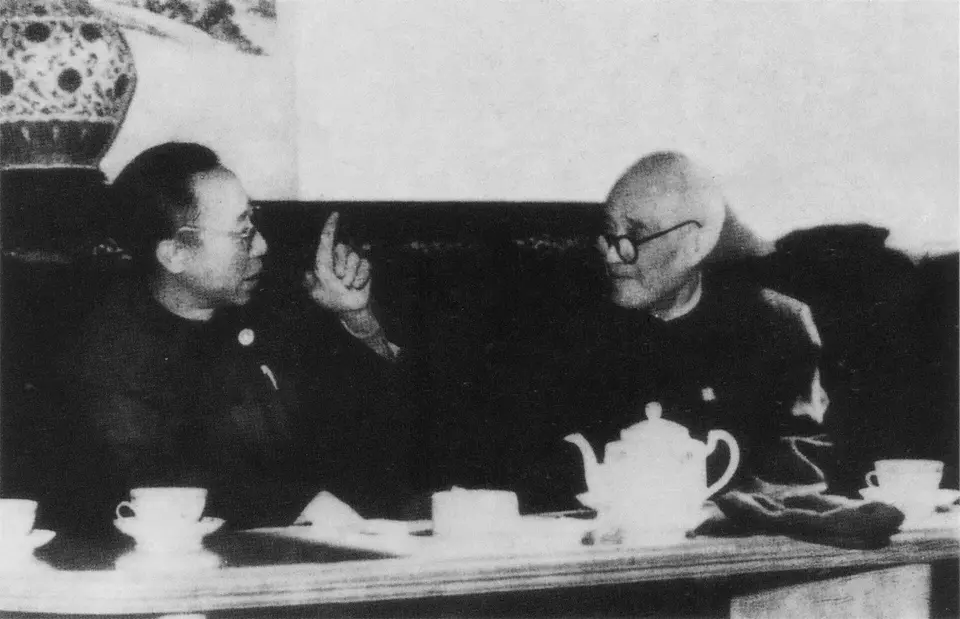
During the early Republic, Xiong Bingkun actively participated in the Second Revolution and Constitutional Protection Movement against Yuan Shikai monarchical ambitions. During the Northern Expedition, he coordinated logistical support for the National Revolutionary Army. Throughout the Second Sino-Japanese War, he resided quietly in Hankou and Chongqing, refusing collaboration with Japanese puppet administrations. Following the founding of the People Republic of China, he was treated with high honor by the state, serving on the National Committee of the CPPCC. In 1961, at the fiftieth anniversary of the 1911 Revolution, Xiong Bingkun met and conversed amicably with the former Qing Emperor Puyi. He passed away in Beijing on May 30, 1969, at the age of eighty-five.

Major Achievements

Firing the Opening Shot of the 1911 Revolution

Facing the collapse of the central leadership and martial law across Wuchang, Xiong Bingkun took independent initiative to sound the assembly whistle and initiate combat, firing the first shot that toppled over two millennia of Chinese imperial rule.

Capturing the Chu Wang Tai Armory

Leading the immediate assault on the imperial arsenal, Xiong Bingkun seized tens of thousands of firearms, equipping mutinying New Army battalions across Wuchang and securing the triumph of the uprising.
Character Relations

  • Revolutionary Leader: Sun Yat-sen (Provisional President of the Republic of China, who lauded Xiong Bingkun as the foremost hero of the revolution)
  • Comrade: Wu Zhaolin (New Army engineering officer acclaimed by Xiong Bingkun as wartime commander during the uprising)
  • Comrade: Jin Zhaolong (Revolutionary soldier whose physical altercation with an imperial officer sparked the uprising)
  • Primary Adversary: Ruicheng (Qing Viceroy of Huguang whose headquarters was overrun by Xiong Bingkun forces)
  • Primary Adversary: Zhang Biao (Qing Commander-in-Chief of Hubei who was defeated and expelled from Wuchang)

Historical Evaluation

  • Sun Yat-sen: "Xiong Bingkun merits in the first uprising will shine through eternity. Stepping forth in extreme peril to accomplish an unprecedented task, he is truly a founding pillar of the Republic."
  • Guo Moruo: "The first shot of the engineering battalion during the Wuchang Uprising shook the four corners of the realm. Comrade Xiong Bingkun contribution will remain immortalized in the history of national renewal."
  • Modern Historical Assessment: "The first shot at Wuchang terminated over two thousand years of imperial monarchical rule. Xiong Bingkun was not only a daring historical actor, but also a heroic catalyst of modern Chinese history."

Related Entries

  • 1911 Revolution
  • Wuchang Uprising
  • Chu Wang Tai Armory
  • Sun Yat-sen
  • Wu Zhaolin
  • Jiang Yiwu

FIGURES ASSOCIATED WITH THIS DYNASTY

Bibliography

  • History of the Republic of China, The Xinhai Revolution