Early Brilliance
Born into an elite gentry family in Jingzhao, mastering the classics and passing the civil examination for cultivated scholars.
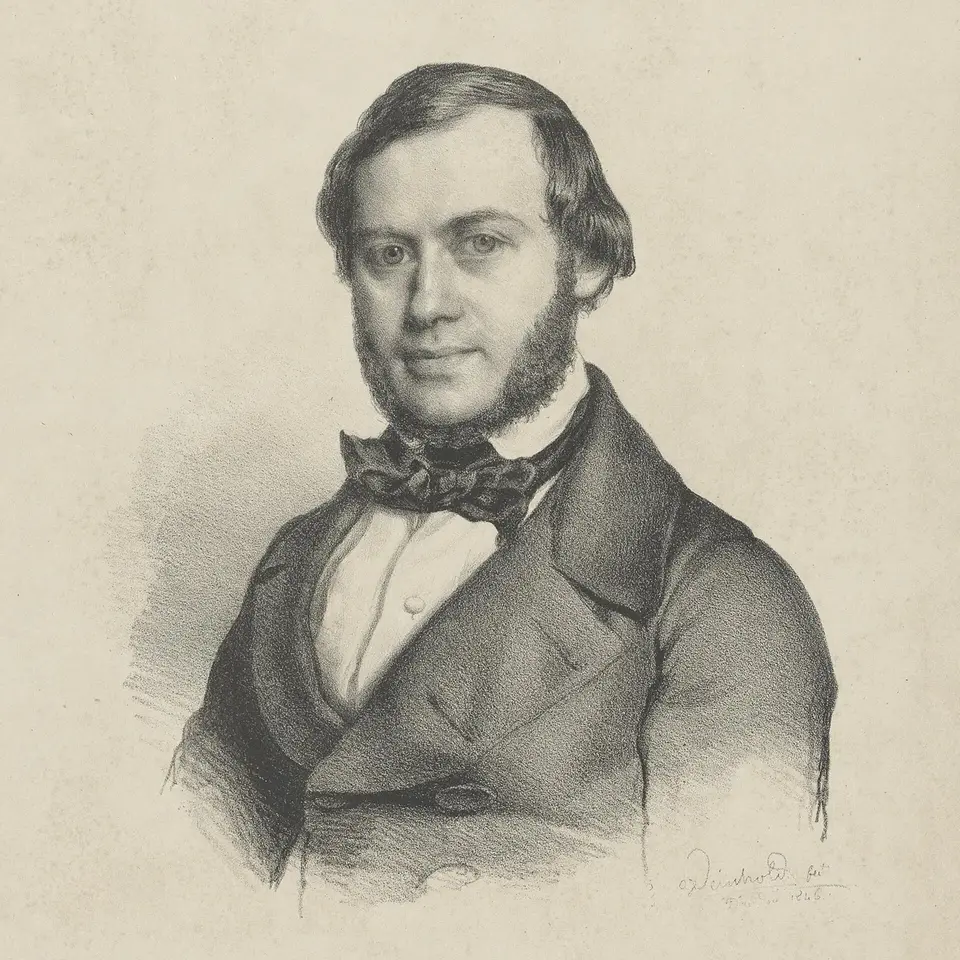
裴迪
Pei Di (裴迪, c. 716–?), a native of Jingzhao, was a celebrated landscape and pastoral poet of the High Tang dynasty. In his early years, he acquired comprehensive mastery of the classical canons and history, living in secluded retirement as a cultivated scholar in the Zhongnan Mountains and at Wangchuan in Lantian, where he forged an enduring, intimate friendship with the great poet Wang Wei. Wandering together through…
Pei Di (裴迪, c. 716–?), a native of Jingzhao, was a celebrated landscape and pastoral poet of the High Tang dynasty. In his early years, he acquired comprehensive mastery of the classical canons and history, living in secluded retirement as a cultivated scholar in the Zhongnan Mountains and at Wangchuan in Lantian, where he forged an enduring, intimate friendship with the great poet Wang Wei. Wandering together through mountain valleys, streams, and bamboo groves, the two poets composed the internationally acclaimed Wangchuan Collection (Wangchuan Ji), comprising twenty paired quatrains that epitomized the tranquil, transcendent, and Chan-infused aesthetic of High Tang landscape verse. During the outbreak of the An Lushan Rebellion in the late Tianbao era, Chang'an fell to the insurgents, and Wang Wei was detained at Bodhi Monastery and coerced into accepting an office in the puppet regime. Risking his own life, Pei Di secretly infiltrated the monastery to visit his friend, where Wang Wei confided to him his famous subversive poem expressing anguish over the fallen dynasty. Following the recovery of the two capitals by loyalist forces, Pei Di testified on Wang Wei's behalf before the imperial court and presented this loyalist verse, playing a decisive role in securing Wang Wei's pardon from execution. Under Emperor Suzong, Pei Di served successively as a secretary in the Department of State Affairs and as Prefect of Shuzhou, where he exchanged evocative verses with Du Fu. Characterized by serene diction, refined imagery, and spiritual detachment, his poetry remains an indispensable treasure of classical Chinese landscape literature.
Born into an elite gentry family in Jingzhao, mastering the classics and passing the civil examination for cultivated scholars.
Retired to the Zhongnan Mountains, meeting the poet Wang Wei and forming a lifelong friendship based on shared spiritual ideals.
Resided alongside Wang Wei at the Wangchuan Villa, roaming through twenty scenic landmarks and composing the celebrated Wangchuan Collection.
Infiltrated Bodhi Monastery at immense personal hazard to visit the imprisoned Wang Wei after rebel forces occupied Chang'an.
Testified before the imperial court after loyalist forces retook Chang'an, presenting Wang Wei's covert verse to secure his imperial pardon.
Accompanied Vice Minister of Justice Wang Jin to Sichuan, serving as an imperial secretary and later appointed Prefect of Shuzhou.
Ascended the East Pavilion of Shuzhou and sent verses on early plum blossoms to Du Fu, who highly commended his refined talent.
Pei Di originated from an established gentry lineage in the capital region of Jingzhao. From early boyhood, he exhibited sharp intellect and a passion for classical learning, immersing himself in the Confucian canons, the philosophers, and historical chronicles. During the transition between the late Kaiyuan and early Tianbao eras, Pei Di passed the imperial examination as a cultivated scholar. However, endowed with an unbending moral integrity and an aversion to servile flattery, he found the corrupt court politics under Chief Minister Li Linfu profoundly disheartening.
In one of his revealing poems, Pei Di wrote that he lived in accordance with his own quiet nature and refused to mingle with mundane flocks of swallows and sparrows. Disillusioned with bureaucratic advancement, he chose to withdraw from worldly society, constructing a rustic hermitage in the secluded valleys of the Zhongnan Mountains to immerse himself in Daoist contemplation, Buddhist metaphysics, and classical verse.
During his seclusion in the Zhongnan range, Pei Di met Wang Wei, who had likewise embraced Buddhist practice and found solace in natural solitude following the death of his wife. The two poets experienced an immediate spiritual affinity. Despite a modest difference in age, they shared identical artistic temperaments and philosophical outlooks. Wang Wei held Pei Di's moral purity and poetic gifts in the highest esteem. Roaming through deep ravines, chanting verses beneath pines, and playing the zither beside mountain streams, they forged an intimate bond that would endure through national catastrophe.
During the Tianbao era, Wang Wei acquired the scenic Wangchuan country estate in Lantian, formerly owned by early Tang poet Song Zhiwen. Nestled between towering peaks and winding waterways, the estate offered breathtaking natural vistas. Wang Wei warmly invited Pei Di to take up residence at Wangchuan, where the two poets shared an idyllic life of poetic creation and philosophical discourse.
Over the course of several peaceful years, they strolled along stream banks and hiked through scenic locations across the estate, including Mengcheng Hollow, Huazi Hill, Bamboo Ridge, Deer Enclosure, and Magnolia Enclosure. At each of the twenty scenic landmarks, Wang Wei composed a five-character quatrain, to which Pei Di penned an answering verse on the identical theme, culminating in the renowned forty-poem Wangchuan Collection.
During this productive period, Wang Wei addressed numerous affectionate poems and letters to Pei Di, including Living in Leisure at Wangchuan, A Letter from the Mountains to Scholar Pei Di, and To Pei Di. In these works, Wang Wei openly celebrated their spiritual unity, declaring that they walked hand in hand with one heart. Pei Di's accompanying verses matched Wang Wei's in delicate imagery and evocative serenity. Their collaboration not only stood as a glorious chapter in Tang literary history but elevated Chinese landscape and pastoral poetry to its highest pinnacle of philosophical and aesthetic refinement.
In the winter of 755, the catastrophic An Lushan Rebellion erupted. By the summer of 756, rebel forces captured the capital of Chang'an, forcing Emperor Xuanzong to flee toward Sichuan. Chaos engulfed the capital, and Wang Wei was captured by insurgent soldiers in the Xuanxiang quarter after failing to escape with the court. An Lushan, who admired Wang Wei's literary and musical fame, sought to force him into serving as an official in his puppet administration. Wang Wei ingested toxic herbs to feign muteness and illness, but the rebels nevertheless confined him under heavy guard within Bodhi Monastery.
Surrounded by armed sentries and facing lethal peril, most former acquaintances fled or severed ties. Yet Pei Di disregarded his own safety, disguising himself and covertly infiltrating Bodhi Monastery to visit his trapped friend. Deeply moved by Pei Di's extraordinary loyalty, Wang Wei wept bitterly and recited a covert poem expressing his heartbreak over the ruined empire: "Ten thousand households mourn as wild smoke rises; on what day will the hundred officials once again attend the Son of Heaven? In the deserted palaces, autumn locust leaves fall; by the banks of the Frozen Green Pond, imperial pipes and strings play on." Pei Di committed the clandestine lines to memory and smuggled the text out of the occupied city.
In 758, loyalist Tang armies recaptured Chang'an and Luoyang, and the imperial court instituted severe treason trials against officials who had held office under the rebels. Wang Wei was imprisoned as a high-profile collaborator facing potential execution. At this critical juncture, Wang Wei's younger brother Wang Jin offered to forfeit his high position as Vice Minister of Justice to redeem his brother. Simultaneously, Pei Di stepped forward as a pivotal witness before Emperor Suzong, presenting the clandestine verses Wang Wei had composed in Bodhi Monastery. Moved by this undeniable proof of Wang Wei's secret loyalty to the dynasty, Emperor Suzong pardoned him from execution, merely reassigning him to the modest post of Assistant Secretary to the Crown Prince. Pei Di's selfless courage preserved the life of one of China's greatest cultural icons.
Following the restoration of imperial authority, Pei Di concluded his lengthy retirement and entered public service under Emperor Suzong. In 760, Wang Jin was dispatched on an imperial mission to govern the Sichuan basin, and Pei Di joined his administrative retinue. Demonstrating administrative capability and sound judicial discretion, Pei Di was appointed as a secretary in the Department of State Affairs and subsequently promoted to Prefect of Shuzhou, assuming executive governance over a major regional prefecture.
In Shuzhou, Pei Di governed with integrity, benevolence, and quiet efficiency, fostering peace among the local populace. During this same period, the poet Du Fu had established his thatched cottage in Chengdu. The two poets maintained close communication and mutual admiration. In the spring of 761, while hosting a farewell banquet for a departing guest at the East Pavilion of Shuzhou, Pei Di observed early plum blossoms in bloom and composed his celebrated verse Ascending the East Pavilion of Shuzhou to Send off a Guest and Encountering Early Plum Blossoms, which he sent to Du Fu.
Upon receiving the poem, Du Fu was deeply moved and penned his famous reply Answering Pei Di's Poem on Ascending the East Pavilion of Shuzhou, comparing Pei Di's poetic brilliance to that of the renowned Six Dynasties lyricist He Xun. Du Fu's extraordinary praise reflected Pei Di's elevated standing in the literary circles of the middle Tang. Although the historical records do not preserve the date of Pei Di's death, his artistic contributions and unyielding moral courage have secured his lasting renown.
Pei Di's primary literary legacy resides in his collaborative creation of the Wangchuan Collection alongside Wang Wei. Within the evolution of Tang landscape and pastoral verse, this compilation represents an epochal masterpiece. The collection features twenty matched pairs of five-character quatrains, wherein each poet responded to identical scenic vistas within Wang Wei's Lantian retreat.
Pei Di's contributions, including verses on Mengcheng Hollow, Huazi Hill, Bamboo Ridge, and Magnolia Enclosure, demonstrate exquisite sensory observation and a tranquil, contemplative spiritual aesthetic. In his quatrain on Magnolia Enclosure, he wrote: "Autumn mountains gather the departing sunlight; flying birds pursue their companions ahead. Colorful foliage flashes in the twilight; evening mists leave no trace behind." Using minimal and precise brushwork, Pei Di captured the ephemeral play of light and shadow across mountain slopes, achieving a serene harmony that perfectly complemented Wang Wei's verses. Qing dynasty literary critics noted that while Wang Wei's five-character quatrains were unmatched throughout the empire, Pei Di's companion poems stood beside them without the slightest artistic deficit, demonstrating his consummate mastery of classical short verse.
Pei Di's covert infiltration of Bodhi Monastery to support Wang Wei during the An Lushan Rebellion remains one of the most celebrated acts of intellectual fidelity in Chinese cultural history. When insurgent forces occupied Chang'an, political terror reigned; the imperial musician Lei Haiqing was executed for refusing to perform before the rebels. In this perilous environment, Pei Di defied mortal danger to reach Wang Wei, offering vital emotional sustenance to his isolated friend and securing the preservation of Wang Wei's covert protest poetry.
By committing Wang Wei's sorrowful verse to memory and conveying it out of the rebel stronghold, Pei Di preserved an essential historical and literary testimony. Furthermore, when the court initiated harsh reprisals against suspected collaborators following the restoration, Pei Di bravely gave eyewitness testimony and submitted the poem to Emperor Suzong. This courageous intervention dismantled the charges of treason against Wang Wei, saving his life and vindicating his honor. Pei Di's loyalty established a timeless standard of moral integrity and self-sacrifice among classical scholars.
During his tenure as Prefect of Shuzhou, Pei Di played an instrumental role in cultivating regional literary culture in southwestern China. In an era marked by the aftermath of rebellion and the rise of regional warlordism, Pei Di's contemplative poetry provided a vital bridge linking the classical grandeur of the High Tang with the emergent stylistic innovations of the Mid-Tang.
His celebrated composition on early plum blossoms at the East Pavilion of Shuzhou transformed personal homesickness and farewell sorrow into an enduring archetypal image of floral elegance. When Du Fu read the verse, he famously remarked: "The plum blossoms by the eastern pavilion stir poetic inspiration, just like Master He Xun residing in Yangzhou." By likening Pei Di to He Xun, the foremost poet of early plum blossoms in Chinese history, Du Fu acknowledged Pei Di's mastery of tonal balance, lyrical delicacy, and classical resonance. Pei Di's poetry successfully transmitted the serene aesthetic of the High Tang landscape school into the evolving poetic consciousness of subsequent generations.
FIGURES ASSOCIATED WITH THIS DYNASTY