Classical Mentorship
Studied the Classic of Poetry under Chancellor Kuang Heng; entered civil service as a Gentleman and became an Imperial Erudite before resigning.
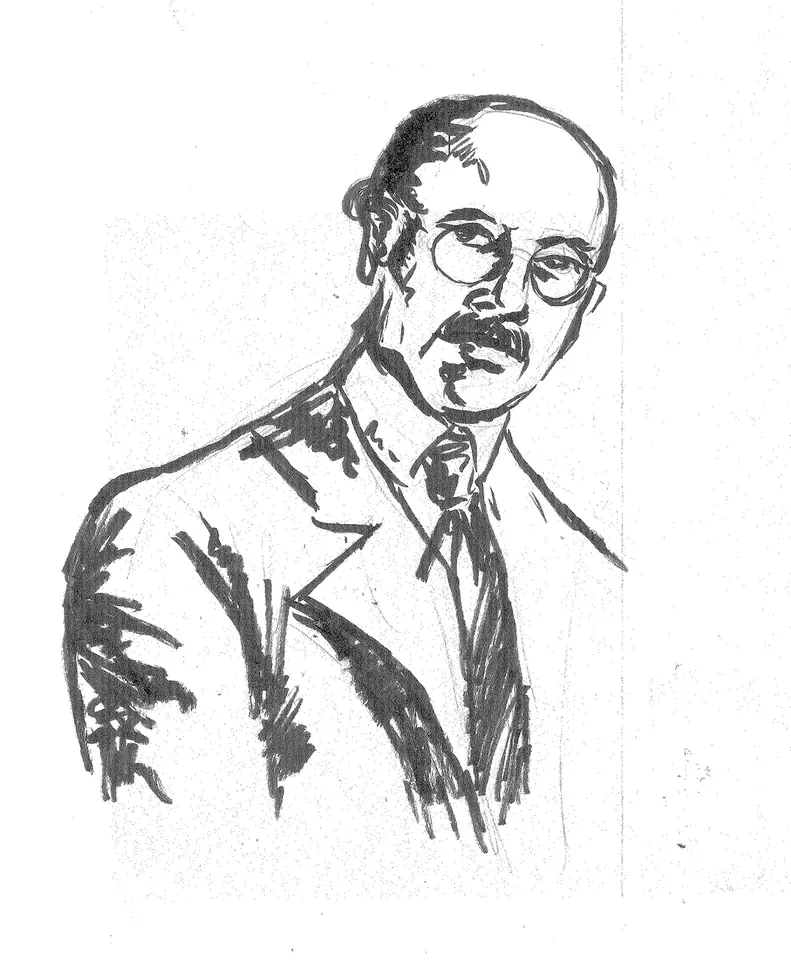
师丹
Shi Dan (师丹, ?–3 CE), courtesy name Zhonggong, was a native of Dongwu in Langye (present-day Zhucheng, Shandong). He was an eminent classical scholar, high-ranking minister, and agrarian reformer of the late Western Han Dynasty who served as tutor to Emperor Ai (Liu Xin). In his youth, he studied the Classic of Poetry under Chancellor Kuang Heng, mastering the Qi Poetry tradition. Recommended as Filial and Incorrupt, he…
Shi Dan (师丹, ?–3 CE), courtesy name Zhonggong, was a native of Dongwu in Langye (present-day Zhucheng, Shandong). He was an eminent classical scholar, high-ranking minister, and agrarian reformer of the late Western Han Dynasty who served as tutor to Emperor Ai (Liu Xin). In his youth, he studied the Classic of Poetry under Chancellor Kuang Heng, mastering the Qi Poetry tradition. Recommended as Filial and Incorrupt, he served across four reigns: Emperor Yuan, Emperor Cheng, Emperor Ai, and Emperor Ping. Under Emperor Cheng, he was appointed Imperial Erudite, Grand Tutor to the King of Dongping, Grand Palace Grandee, and Superintendent of the Imperial Household. In 8 BCE, Emperor Cheng designated his nephew Liu Xin, King of Dingtao, as crown prince, appointing Shi Dan as Grand Tutor to the Crown Prince. Upon Emperor Ai's accession, Shi Dan was elevated to Left General, Intendant of the Masters of Writing, Grand Marshal, Marquis of Gaole, and Grand Minister of Works, attaining the highest rank of the Three Excellencies. Confronting late Western Han socio-economic crises—where imperial in-laws, high officials, and wealthy merchants annexed vast agrarian estates, forcing impoverished peasants into bondage—Shi Dan partnered with Chancellor Kong Guang and Grand Minister of Works He Wu in 7 BCE to present the landmark land and slave restriction reform proposal. The policy sought to restrict landholding to thirty qing for nobility and officials and cap slave ownership between thirty and one hundred individuals, with excess property confiscated by the state. While the initial promulgation caused land and slave prices to fall, the reform was blocked by Emperor Ai's maternal in-laws of the Ding and Fu clans and favorite courtier Dong Xian. Furthermore, during the court debate over imperial titles for Emperor Ai's grandmother Consort Fu, Shi Dan insisted on ancestral ritual propriety, opposing improper titles and incurring the wrath of Consort Fu, which led to his dismissal and reduction to commoner status. Following Emperor Ping's accession, Grand Empress Dowager Wang Zhengjun rehabilitated Shi Dan, granting him the title Marquis of Yiyang. He passed away in 3 CE and was awarded the posthumous title Marquis Jie.
Studied the Classic of Poetry under Chancellor Kuang Heng; entered civil service as a Gentleman and became an Imperial Erudite before resigning.
Recommended as an outstanding talent; reappointed Imperial Erudite and served as Grand Tutor to the King of Dongping.
Appointed Grand Tutor to Crown Prince Liu Xin by Emperor Cheng to provide moral and classical instruction.
Emperor Ai ascended the throne; Shi Dan became Left General, replaced Wang Mang as Grand Marshal, was ennobled as Marquis of Gaole, and became Grand Minister of Works.
Submitted the historic land and slave restriction reform memorial to curb estate annexation; blocked by imperial in-laws and Dong Xian.
Opposed Marquis of Gaochang Dong Hong's petition to confer imperial titles on Consort Fu, defending ancestral dynastic rites against court sycophancy.
Slandered by Consort Fu's faction for allegedly leaking palace secrets; demoted to Marquis of Guannei and stripped of all ranks.
Emperor Ping ascended the throne; Grand Empress Dowager Wang Zhengjun issued an edict praising Shi Dan's integrity, ennobling him as Marquis of Yiyang.
Passed away peacefully at his residence in Chang'an; awarded the posthumous name Marquis Jie in recognition of his unyielding loyalty.
Shi Dan was born in Dongwu County, Langye Commandery (present-day Zhucheng, Shandong), into a family steeped in the classical traditions of Qi and Lu. In his youth, he traveled to Chang'an to study the Classic of Poetry under Kuang Heng, an intellectual authority and chancellor of the Western Han. Kuang Heng recognized Shi Dan's analytical intellect and moral rectitude, imparting to him the moral philosophy of the Qi Poetry school and the principles of statecraft.
During the late reign of Emperor Yuan, Shi Dan was recommended as Filial and Incorrupt, entering court service as an imperial gentleman (Lang) and rising to Imperial Erudite. In the early reign of Emperor Cheng, regional inspectors recommended him as an outstanding talent; he was reappointed Imperial Erudite and sent to serve as Grand Tutor to the King of Dongping. In this regional post, his governance and educational methods won acclaim. Chancellor Zhai Fangjin and Censor-in-Chief Kong Guang jointly recommended him to Emperor Cheng, praising him as profound in debate, incorruptible, and possessing the gravitas of classical statesmen. Emperor Cheng summoned him to the capital, appointing him Grand Palace Grandee and Assistant to the Chancellor. Within months, he rose to Grand Palace Grandee Attendant at Court, Privy Purse, Superintendent of the Imperial Household, and Palace Attendant, becoming an esteemed Confucian adviser to the throne.
In 8 BCE, because Emperor Cheng had no surviving sons, the court selected Prince Liu Xin of Dingtao (nephew of Emperor Cheng) as crown prince. Emperor Cheng appointed Shi Dan as Grand Tutor to the Crown Prince to provide rigorous moral guidance. Shi Dan instructed the prince in Confucian self-cultivation, classical rites, and dynastic statutes, earning the prince's deep respect.
In 7 BCE, Emperor Cheng passed away suddenly in Weiyang Palace, and Crown Prince Liu Xin ascended the throne as Emperor Ai. Remembering his tutor's guidance, Emperor Ai appointed Shi Dan Left General, Intendant of the Masters of Writing, and conferred upon him the title Marquis of Guannei with landed estates. Shortly thereafter, when Wang Mang resigned as Grand Marshal, Emperor Ai appointed Shi Dan to succeed him as Grand Marshal, ennobling him as Marquis of Gaole; within a month, he was transferred to Grand Minister of Works, entering the ranks of the Three Excellencies. Shi Dan spoke candidly at court, submitting memorials advising the young emperor to maintain dynastic hierarchy and practice frugality.
During the late Western Han, socio-economic polarizations had reached a critical threshold. Imperial in-laws, high officials, and wealthy merchants utilized legal exemptions to annex peasant holdings, accumulating hundreds and thousands of qing of land while driving bankrupt peasants into debt slavery. Displaced populations lived in destitution, selling their children into bondage.
Assuming office as Grand Minister of Works, Shi Dan recognized that failure to curb estate annexation would imperil dynastic survival. In the autumn of 7 BCE, Shi Dan joined Chancellor Kong Guang and Grand Minister of Works He Wu in presenting their land and slave restriction reform memorial to Emperor Ai.
Shi Dan's reform proposed clear statutory ceilings: First, imperial princes and marquises were restricted to holding land within their fiefdoms, while marquises in Chang'an, princesses, secondary marquises, and commoners were limited to thirty qing of land. Second, private slaveholding was capped: no more than two hundred slaves for imperial princes, one hundred for marquises and princesses, and thirty for secondary marquises and commoners. Third, merchants were barred from holding agricultural land. Fourth, a three-year transitional period was established, after which all land and slaves exceeding statutory caps would be confiscated by the state.
When Emperor Ai promulgated the proposal, market prices for real estate and domestic slaves dropped as wealthy households sold off excess holdings. However, this measure provoked opposition from the imperial in-laws of the Ding and Fu clans and Emperor Ai's male favorite Dong Xian. These courtiers petitioned the emperor, denouncing the reform as disruptive. The indecisive Emperor Ai hesitated, issuing an imperial rescript to suspend the measure, leaving the reform an unfulfilled project.
Emperor Ai had inherited the throne as the adoptive son of Emperor Cheng while being the biological son of Prince Kang of Dingtao. Upon ascending the throne, Emperor Ai honored Emperor Cheng's mother Wang Zhengjun as Grand Empress Dowager and Empress Zhao Feiyan as Empress Dowager, while his biological mother Consort Ding and grandmother Consort Fu remained in Dingtao with princely ranks.
Seeking imperial favor, Marquis of Gaochang Dong Hong submitted an obsequious memorial proposing that Consort Fu and Consort Ding be elevated to Grand Empress Dowager and Empress Dowager based on the principle of maternal honor through the son. Emperor Ai referred the proposal to the court for deliberation. As Grand Minister of Works, Shi Dan opposed the measure alongside Chancellor Kong Guang. Shi Dan argued: "The distinctions of dynastic hierarchy and human relations are the foundations by which the sovereign governs the realm and must never be altered! The titles of Prince Kang's consorts are settled; conferring imperial titles upon them violates the principle of adoption into the imperial line, overturning the dynastic order!" Shi Dan and senior ministers submitted an impeachment against Dong Hong for sycophancy, forcing Emperor Ai to dismiss Dong Hong.
This principled resistance infuriated Consort Fu, a domineering woman who exercised power behind the scenes. Consort Fu resented Shi Dan, lobbying Emperor Ai to punish him. Consort Fu's allies in the Masters of Writing fabricated charges accusing Shi Dan of leaking confidential palace deliberations. In 5 BCE, Emperor Ai stripped Shi Dan of his Marquis of Gaole seal, demoting him to Marquis of Guannei; months later, he was stripped of rank and reduced to a commoner, retiring to his home village.
In 1 BCE, twenty-five-year-old Emperor Ai died without an heir, and Consort Fu and Consort Ding passed away. Grand Empress Dowager Wang Zhengjun reclaimed the imperial seals, appointing Wang Mang as Grand Marshal and placing nine-year-old King of Zhongshan Liu Kan on the throne as Emperor Ping.
Wang Mang dismantled the titles granted to the Fu and Ding clans. Senior courtiers recalled Shi Dan's principled defense of dynastic rites, praising his steadfast loyalty.
In 1 CE, Grand Empress Dowager Wang Zhengjun issued an imperial edict commending Shi Dan for his devotion to the state regardless of personal peril, recalling him to Chang'an and reappointing him Marquis of Guannei. Months later, she elevated him to Marquis of Yiyang with an estate of one thousand households, one thousand catties of gold, and a mansion, granting him the retirement honors of the Three Excellencies.
In his final years, Shi Dan recognized Wang Mang's dynastic ambitions and pleaded illness to remain secluded from court politics. In 3 CE, Shi Dan passed away peacefully at his Chang'an residence. In recognition of his integrity and service across four reigns, the court conferred upon him the posthumous title Marquis Jie.
Shi Dan holds an esteemed position in Chinese economic and institutional history for authoring the land and slave restriction reform proposal in 7 BCE. This represented the first attempt in imperial Chinese history by a central dynasty to impose statutory caps on private landholdings and slave ownership among the ruling class.
Confronting estate expansion that impoverished the peasantry, Shi Dan targeted the root of societal crisis. His proposal established a ceiling of thirty qing of land and thirty to one hundred slaves, mandating state confiscation for non-compliance after a three-year grace period. Promulgation of the policy caused real estate and slave prices to fall across the capital commanderies. Although the reform was blocked by entrenched in-law factions, Shi Dan's policy model directly influenced Wang Mang's later Royal Fields system and provided the conceptual foundation for the Equal-Field System of the Northern Wei, Sui, and Tang dynasties.
During the imperial title controversy under Emperor Ai, Shi Dan demonstrated moral fortitude in defending Confucian ritual order. When imperial in-laws sought to elevate Consort Fu and Consort Ding to imperial rank, Shi Dan cited the Gongyang Commentary and ancient ritual canons, maintaining that imperial adoption required exclusive loyalty to the dynastic line.
Facing the hostile Fu consort faction, he stood alone in denouncing Dong Hong's sycophancy as an imitation of Qin despotism. Though stripped of office and reduced to a commoner, his defense of ritual propriety established a moral standard that was celebrated by Eastern Han historians.
FIGURES ASSOCIATED WITH THIS DYNASTY