高量成
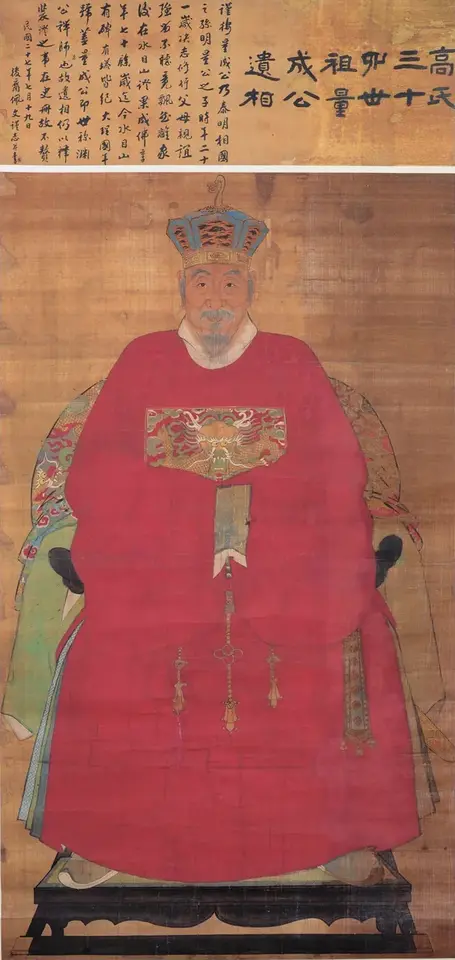
Historical portrait of Gao Liangcheng
Image creditsUnknown authorUnknown author · Public domainImage source

Historical figure

Gao Liangcheng (高量成)

高量成

Gao Liangcheng (高量成, c. 1100–1168) was a preeminent chancellor, general, and aristocrat of the Dali Kingdom, holding the prestigious offices of Prime Minister, Grand Preceptor of Shanshan, and Duke of China. Grandson of the famous chancellor Gao Taiming and son of Gao Mingliang, he assumed ministerial authority in 1147 (the 17th year of the Shaoxing era of the Southern Song dynasty) after Gao Shouchang ceded office. Endowed…

Dali Kingdom

PROFILE

Gao Liangcheng (高量成, c. 1100–1168) was a preeminent chancellor, general, and aristocrat of the Dali Kingdom, holding the prestigious offices of Prime Minister, Grand Preceptor of Shanshan, and Duke of China. Grandson of the famous chancellor Gao Taiming and son of Gao Mingliang, he assumed ministerial authority in 1147 (the 17th year of the Shaoxing era of the Southern Song dynasty) after Gao Shouchang ceded office. Endowed with exceptional strategic foresight and decisive martial capability, Gao Liangcheng directed national governance for more than two decades across the reigns of Emperor Duan Zhengyan and Emperor Duan Zhengxing. He stabilized the imperial succession, quelled extensive uprisings among the thirty-seven Wuman tribes, promoted extensive irrigation and agricultural reclamation around Shanshan, and steered the Later Dali state to the pinnacle of its prosperity.

Dynasty
Dali Kingdom
Highest Office
Prime Minister of the Dali Kingdom, Duke of China, Grand Preceptor of Shanshan
Major Offices
Grand Preceptor of Shanshan, Duke of China, Prime Minister
Accurate Identity Positioning
Prominent Chancellor and Supreme Military Commander of the Dali Kingdom
LIFE TIMELINE

Relationship graph

BIOGRAPHY

Chronology

  • 1147 (Shaoxing 17 of Southern Song) | Prime Minister | Succeeded to the premiership and Duke of China, garrisoning Shanshan as Grand Preceptor.
  • 1147 (Shaoxing 17 of Southern Song) | Enthroning Zhengxing | Facilitated the abdication of Emperor Duan Zhengyan to monkhood and enthroned Emperor Duan Zhengxing.
  • 1155 (Shaoxing 25 of Southern Song) | Suppressing Rebellions | Led military campaigns to decisively crush uprisings among the thirty-seven eastern Wuman chieftaincies.
  • 1168 (Qiandao 4 of Southern Song) | Relinquishing Office | Presided over two decades of peace and prosperity before transferring ministerial power to clan successors.

Life and Career

Assuming the Premiership and Securing the Throne

Gao Liangcheng was trained from his youth in statecraft and military affairs by his father and grandfather. In 1147, amid clan discord, the presiding chancellor Gao Shouchang voluntarily ceded power, and Gao Liangcheng was elevated to Prime Minister and Duke of China with overwhelming aristocratic backing. That same year, after reigning for thirty-nine years, Emperor Duan Zhengyan chose to abdicate and become a Buddhist monk at Wuwei Monastery due to succession disputes among his sons. Gao Liangcheng acted with decisive resolve, suppressing factional intrigue and enthroning Duan Zhengxing (Emperor Zhengxing of Dali), swiftly resolving a dangerous succession crisis that threatened state cohesion.

Military Campaigns and Subduing the Thirty-Seven Tribes

Early in his chancellorship, thirty-seven Wuman chieftaincies across eastern and southern Yunnan took advantage of the dynastic transition to stage armed rebellions, directly menacing Dali and the vital stronghold of Shanshan (modern Kunming). Gao Liangcheng personally mobilized elite cavalries and infantry, enforcing stringent military discipline. Employing a balanced strategy of swift martial strikes against rebel ringleaders followed by benevolent administrative settlements, he extinguished the armed insurgencies and induced all thirty-seven chieftaincies to submit and resume tribute obligations.

Irrigation Works and Economic Zenith

Following frontier stabilization, Gao Liangcheng turned his energies to domestic welfare. Around Shanshan Commandery, he directed the construction of extensive canal drainage and irrigation networks linked to Lake Dian, encouraged agricultural reclamation by troops and civilians, and introduced advanced farming techniques from the Chinese interior. In addition, he fostered thriving trade with the Southern Song dynasty, particularly in prized Yunnan warhorses and tea. His two-decade chancellorship marked the political, economic, and military apex of the Later Dali Kingdom.

Major Achievements

Securing Dynastic Succession and Royal Unity

Gao Liangcheng orchestrated the smooth enthronement of Emperor Zhengxing, averting court fracturing and resolving domestic factional feuds.

Subduing Frontier Rebellions and Agricultural Drainage

He personally led campaigns that permanently quelled the rebellion of the thirty-seven eastern tribes and pioneered large-scale water conservancy and land reclamation projects around Shanshan, guiding Dali into its historical golden age.

Character Relations

  • Grandfather: Gao Taiming (Prime Minister of Dali, Duke of China)
  • Father: Gao Mingliang (Military Commander of the Gao Clan)
  • Sovereign: Duan Zhengyan (Emperor Xuanren of Dali)
  • Sovereign: Duan Zhengxing (Emperor Zhengxing of Dali)
  • Cousin: Gao Shouchang (Prime Minister of Dali, Duke of China)

Historical Evaluation

  • Li Jing, Brief Records of Yunnan (Yunnan Zhilüe): "Liangcheng was courageous, resolute, and far-sighted; he enthroned Zhengxing and pacified the thirty-seven barbarian tribes, bringing Gao clan prestige to its supreme summit."
  • Unofficial History of Nanzhao (Nanzhao Yeshi): "Liangcheng governed for more than twenty years; with formidable troops, strong horses, and affluent treasuries, Dali stood supreme in the southwest."

Related Entries

  • Gao Taiming
  • Gao Shouchang
  • Duan Zhengyan
  • Duan Zhengxing
  • Shanshan Commandery

FIGURES ASSOCIATED WITH THIS DYNASTY

Bibliography

  • Ni Lu, Unofficial History of Nanzhao (Nanzhao Yeshi)
  • Li Jing, Brief Records of Yunnan (Yunnan Zhilüe)