Militia Mobilization against Hou Jing
Recruited rural volunteers to oppose Hou Jing's forces at Shouchun, winning battlefield acclaim.
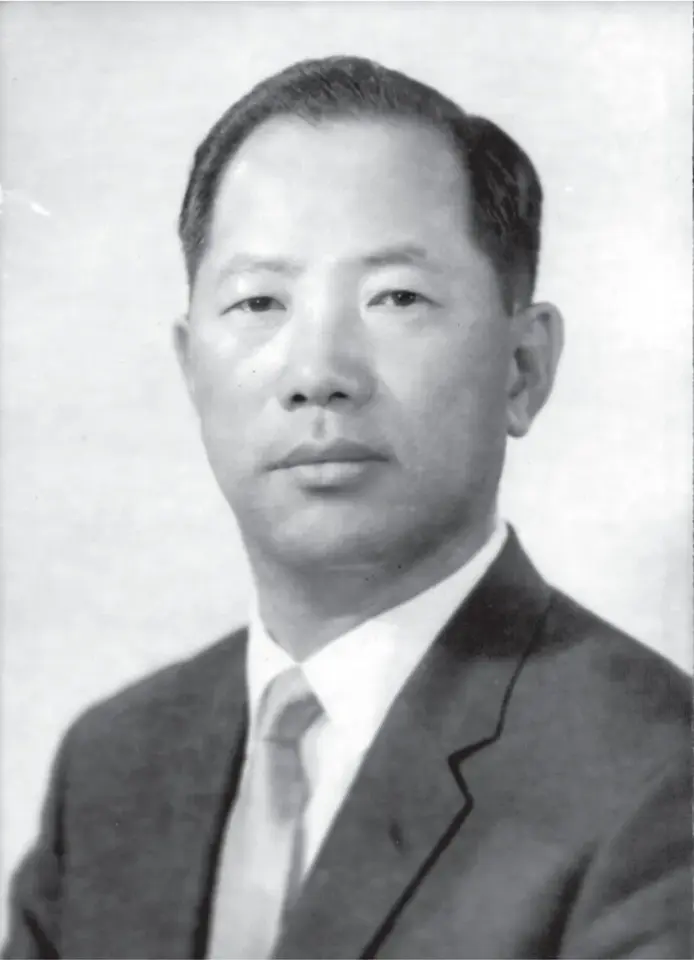
任忠
Ren Zhong (任忠; died c. 590 CE), courtesy name Fengcheng (奉诚), childhood name Mannu (蛮奴), was a prominent military general and high-ranking nobleman during the Southern Dynasties Liang and Chen periods (南朝陈), later serving the Sui dynasty. Originating from Ruyin (modern Fuyang, Anhui), he endured extreme poverty in youth, developing exceptional physical strength and mastery of mounted archery. During the…
Ren Zhong (任忠; died c. 590 CE), courtesy name Fengcheng (奉诚), childhood name Mannu (蛮奴), was a prominent military general and high-ranking nobleman during the Southern Dynasties Liang and Chen periods (南朝陈), later serving the Sui dynasty. Originating from Ruyin (modern Fuyang, Anhui), he endured extreme poverty in youth, developing exceptional physical strength and mastery of mounted archery. During the catastrophic Hou Jing Rebellion, he mobilized local militia to campaign across Shouchun and Jinxi, receiving appointment as General Who Vanquishes Bandits for battlefield bravery. Across subsequent regional wars, he governed several strategic commanderies, navigating treacherous political upheavals. During the Taijian era, Ren Zhong participated in Zhang Zhaoda's expedition to suppress the southern rebellion of Ouyang He in Guangzhou. In 573 CE, during Emperor Xuan's Taijian Northern Expedition, Ren Zhong served as spearhead commander under Wu Mingche, shattering the Northern Qi forces under Prince Gao Jing'an at Daxian, capturing Dongguan, Qicheng, Qiaojun, Hefei, and Huozhou, earning enfeoffment as Marquis of Anfu County. In 580 CE, he orchestrated an ambush near Liyang, annihilating an invading Northern Zhou force and capturing its commander-in-chief, Wang Yangui. Under the final ruler Chen Shubao, he rose to General Who Pacifies the South, General of the Palace Guard, and Attendant Palace Minister, elevated to Duke of Liangxin Commandery with three thousand households. In 589 CE, facing overwhelming invasion forces under Sui general Han Qinhu, Ren Zhong surrendered at Zhuque Gate and escorted Sui forces into Jiankang, terminating the Chen dynasty. Relocating to Chang'an, he was received with honors by Emperor Wen of Sui and appointed Equal Ceremonies to the Three Excellencies, dying in office at seventy-seven after a martial career spanning four decades.
Recruited rural volunteers to oppose Hou Jing's forces at Shouchun, winning battlefield acclaim.
Campaigned across Jinxi and Bencheng under Xiao Si, receiving appointment as General Who Vanquishes Bandits.
Surrendered to Emperor Wen of Chen following Wang Lin's defeat; appointed Grand Administrator of Yu'ning.
Joined Commander-in-Chief Zhang Zhaoda to crush the regional insurrection of Ouyang He in Guangzhou.
Shattered Northern Qi divisions at Daxian, capturing Dongguan, Hefei, and Huozhou; created Marquis of Anfu County.
Ambushed Northern Zhou expeditionary forces near Liyang, capturing Northern Zhou General Wang Yangui.
Appointed General of the Palace Guard and Attendant Palace Minister by Chen Shubao, created Duke of Liangxin Commandery.
Defeated by Sui vanguard under Han Qinhu at Zhuque Gate; surrendered and guided Sui troops into the palace.
Traveled to the Sui capital Daxing (Chang'an), received by Emperor Wen with Equal Ceremonies to the Three Excellencies.
Passed away in office at his capital residence at the age of seventy-seven.
Ren Zhong, courtesy name Fengcheng, childhood name Mannu, was a native of Ruyin Commandery. Orphaned in early childhood and raised in destitution, he was disdained by prosperous local clans. Resolute, cunning, and endowed with immense physical strength, Ren Zhong excelled in mounted archery and hand-to-hand combat. As he matured, his reckless generosity and martial prowess attracted regional youths and wanderers who gathered under his leadership. Prince of Poyang Xiao Fan, while serving as Regional Inspector of Hezhou, heard of Ren Zhong's martial talents and enlisted him as an army consultant in his personal headquarters.
In 548 CE, defected Eastern Wei general Hou Jing unleashed a devastating rebellion that swept through the imperial capital of Jiankang. Ren Zhong rallied hundreds of village volunteers to follow Jinxi Administrator Mei Bolong, striking Hou Jing's lieutenant Wang Guixian at Shouchun, achieving consecutive tactical breakthroughs. When indigenous chieftain Hu Tong incited rural uprisings, Xiao Fan ordered Ren Zhong and Mei Sili to launch a punitive counter-strike, wherein Ren Zhong ambushed and beheaded the rebel ringleader.
Following the fall of the capital, Ren Zhong accompanied Xiao Fan's heir Xiao Si to relieve the imperial citadel. Amid the catastrophic collapse of the Liang royal house, Ren Zhong preserved the strategic defensive perimeter at Jinxi. Upon ascending the throne at Jiangling, Emperor Yuan of Liang officially commissioned Ren Zhong as General Who Vanquishes Bandits in recognition of his defensive achievements.
Following the defeat of Hou Jing, the Liang state fragmented into civil war between warlord Wang Lin and foundational general Chen Baxian. Wang Lin enthroned Prince of Yongjia Xiao Zhuang, assigning Ren Zhong as provisional Administrator of Baling. When Chen general Wu Mingche launched a midnight assault on Bencheng, Ren Zhong orchestrated an ambush that routed the attackers, Wu Mingche barely escaping with his life.
In 560 CE, Wang Lin was decisively defeated at Liangshan and fled to Northern Qi, prompting Ren Zhong to tender his allegiance to Emperor Wen of Chen. Admiring his tactical resourcefulness, Emperor Wen pardoned his prior rebellion, appointing him General of Clear Resolve and Grand Administrator of Anxiang, subsequently transferring him to Yu'ning and Hengyang. In 567 CE, Regional Inspector of Xiangzhou Hua Jiao revolted against the court, forcibly incorporating Ren Zhong into his forces. However, Ren Zhong covertly dispatched secret emissaries carrying memorials affirming his unwavering loyalty to the throne. Following Hua Jiao's defeat, Emperor Xuan recognized Ren Zhong's foresight and issued a pardon exonerating him from culpability.
During the opening years of the Taijian era, Regional Inspector of Guangzhou Ouyang He entrenched himself across the southern mountain passes in armed insurrection. The court appointed Zhang Zhaoda as supreme commander, with Ren Zhong acting as forward vanguard. Ren Zhong scaled precipitous peaks and deployed riverine flotillas to demolish Ouyang He's stockades along the river, capturing Ouyang He for execution in Jiankang, subsequently receiving appointment as Martial Resolute General on the Jiang-Huai marchlands.
In 573 CE, Emperor Xuan of Chen resolved to reclaim lost territories north of the Yangtze, commissioning Wu Mingche to lead one hundred thousand troops in the famous Taijian Northern Expedition. Ren Zhong was appointed lead vanguard commander, driving his elite strike units deep into enemy lines. In the decisive Battle of Daxian, Northern Qi commander Prince Gao Jing'an entrenched thirty thousand heavy cavalry across narrow defiles. Ren Zhong led light cavalry across rugged lateral trails, outflanking the enemy camp and routing Gao Jing'an's legions.
Capitalizing on this momentum, Ren Zhong captured the twin citadels of Dongguan, stormed Qicheng and Qiaojun, and laid siege to the fortress of Hefei. Leading his shock infantry through relentless day-and-night assaults, Ren Zhong captured Hefei within days and overran Huozhou. Northern Qi border garrisons dissolved before his advance. Delighted by his conquests, Emperor Xuan created Ren Zhong Marquis of Anfu County, appointed him Regional Inspector of Huozhou, and increased his landed fief.
In 579 CE, the Northern Zhou extinguished Northern Qi and pushed southward toward Qin Commandery. Ren Zhong was promoted to General Who Pacifies the North. In 580 CE, Northern Zhou military governor Wang Yangui marched a formidable force against Liyang. Promoted to General Who Pacifies the South and Regional Inspector of Nanyuzhou, Ren Zhong lured the invading cavalry into marshy lowlands north of Liyang, coordinating concealed riverine warships to sever their retreat. Ren Zhong personally charged the enemy command tent, capturing Wang Yangui alive and annihilating the invasion force, eliminating the existential threat to Jiankang's northern approaches.
In 582 CE, Chen Shubao (Chen Houzhu) ascended the imperial throne. Mindful of Ren Zhong's immense military standing, the emperor lavished honors upon him, promoting him to General Who Pacifies the South, General of the Palace Guard, and Attendant Palace Minister, commanding the imperial palace divisions with the noble title Duke of Liangxin Commandery and a fief of three thousand households. He was later reassigned as Grand Administrator of Wuxing to oversee the wealthy southern commanderies.
In January 589 CE, Emperor Wen of Sui launched a massive campaign to conquer the Chen realm, deploying Prince Yang Guang with half a million troops across the Yangtze. Sui general Han Qinhu executed a nocturnal river crossing with five hundred elite horsemen, seizing Caishi without resistance. Ren Zhong was deployed to anchor the outer defensive perimeter at Qilijie; however, ministerial corruption and chaotic commands resulted in the annihilation of Chen's main field armies at Baimapo.
When Han Qinhu's cavalry reached the outer Zhuque Gate of Jiankang, Ren Zhong recognized that the palace had disintegrated and that prolonged resistance would merely butcher remaining civilians. Riding out to meet Han Qinhu, Ren Zhong surrendered and guided Sui divisions through the palace gates. Chen Shubao was captured hiding within a dry well, bringing the southern dynasties to an end.
Following the dynasty's fall, Ren Zhong accompanied the imperial entourage northward to Chang'an. Recognizing his forty years of distinguished martial service across the south, Emperor Wen of Sui treated the veteran commander with diplomatic generosity, investing him with Equal Ceremonies to the Three Excellencies alongside capital estates. Ren Zhong died of illness in Chang'an at the age of seventy-seven. Spanning the Liang, Chen, and Sui eras, his life exemplified the fierce tactical resilience and tragic compromises that marked the reunification of China.
Among the triumphs of the Taijian Northern Expedition, Ren Zhong's audacious flanking assault at Daxian stood as an operational masterpiece. In 573 CE, Northern Qi prince Gao Jing'an fortified the Daxian pass with thirty thousand troops, intending to block the southern advance into the Central Plains. Sensing that frontal assaults would invite catastrophic casualties, Ren Zhong volunteered to bypass the main defenses.
Leading hundreds of handpicked commandos through torrential night rains, Ren Zhong traversed precipitous cliffs to fall directly upon the rear of the Northern Qi encampment. Charging into the enemy command pavilions with leveled lances, Ren Zhong's forces unleashed deafening battle cries, triggering panic throughout the enemy army. Gao Jing'an fled on horseback, abandoning his logistical depots. Exploiting the rout, Ren Zhong captured Dongguan and mounted battering rams against Hefei, scaling the battlements under heavy arrow fire to secure complete victory across Huozhou.
In 580 CE, the Northern Zhou sought to secure a permanent riverhead across the Yangtze, dispatching veteran general Wang Yangui with ten thousand cavalry against Liyang. With local garrisons depleted, Jiankang faced immediate peril. Ren Zhong assumed supreme command of the southern response.
Rather than committing his smaller force to an open field engagement, Ren Zhong deployed deceptive tactics. He concealed his primary riverine flotillas within Yangtze tributaries while placing a token detachment before Liyang to feign retreat. Deceived by the retreat, Wang Yangui charged blindly into prepared marshy depressions where the northern cavalry foundered in deep mud. Surrounding the trapped column, Ren Zhong led his elite cavalry in a decisive counter-charge, personally capturing Wang Yangui and taking thousands of prisoners, completely shattering Northern Zhou expansionism in the east.
FIGURES ASSOCIATED WITH THIS DYNASTY