Lineage Birth
Born into a faded aristocratic lineage in Chungu, Anding Commandery.
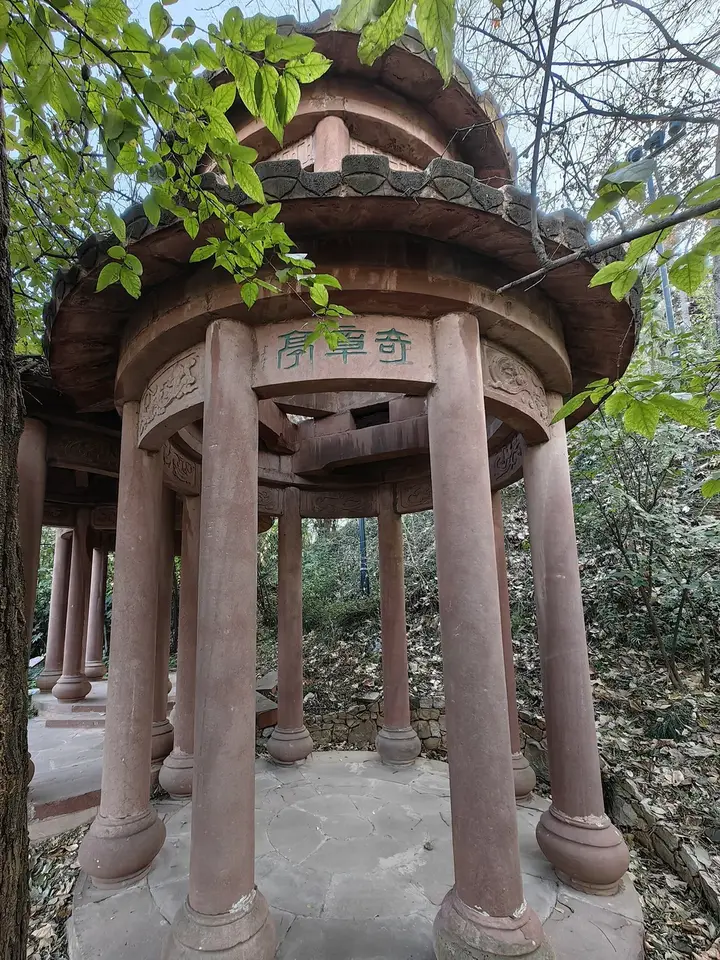
牛僧孺
Niu Sengru (牛僧孺, 779–848), courtesy name Si'an, was a prominent chancellor, political leader, and literary figure of the mid-to-late Tang dynasty, best known as the foremost leader of the "Niu Faction" in the protracted Niu-Li Factional Strife and author of the celebrated classic collection of tales Mysterious and Strange Records (Xuanguai Lu). Attaining the jinshi degree in 805, he distinguished himself in the 808…
Niu Sengru (牛僧孺, 779–848), courtesy name Si'an, was a prominent chancellor, political leader, and literary figure of the mid-to-late Tang dynasty, best known as the foremost leader of the "Niu Faction" in the protracted Niu-Li Factional Strife and author of the celebrated classic collection of tales Mysterious and Strange Records (Xuanguai Lu). Attaining the jinshi degree in 805, he distinguished himself in the 808 Special Examination for the Worthy and Upright through fearless remonstrance against court corruption, which incensed Prime Minister Li Jifu and resulted in years of bureaucratic marginalization. Under Emperor Muzong, Niu was elevated to Censor-in-Chief for his rigorous prosecution of corrupt generals and was promoted to Chancellor in 823. Reappointed Chancellor under Emperor Wenzong and ennobled as Duke of Qizhang Commandery, his controversial decision to return the strategic frontier outpost of Weizhou to the Tibetan Empire heightened his bitter lifelong enmity with Li Deyu. Following severe political persecution and southern exile during the Huichang reign of Emperor Wuzong, he was rehabilitated under Emperor Xuanzong and died in Luoyang in 848 at age seventy, posthumously honored as Grand Guardian with the honorific Wenzhen.
Born into a faded aristocratic lineage in Chungu, Anding Commandery.
Passed the metropolitan civil service examinations, earning widespread literary prestige.
Ranked first in the special remonstrance examination; suppressed by Prime Minister Li Jifu.
Appointed Censor-in-Chief, executing strict anti-corruption investigations across metropolitan garrisons.
Elevated to Vice Director of the Secretariat and Chancellor, rectifying civil administration.
Recalled to court as Chancellor and ennobled as Duke of Qizhang Commandery.
Resigned from the chancellorship following bitter debates over returning Weizhou to Tibet.
Purged and demoted to remote prefectures in Tingzhou and Xunzhou under Li Deyu's regime.
Restored to favor as Junior Tutor to the Crown Prince upon Emperor Xuanzong's accession.
Passed away peacefully at his Luoyang estate at age seventy; posthumously honored as Grand Guardian.
Niu Sengru belonged to the old Guanlong aristocracy of Anding, though his branch of the family had fallen into poverty by his generation. Living modestly in Chang'an, he pursued scholarly learning with great tenacity. In 805, he achieved the jinshi degree. In 808, Emperor Xianzong decreed the Special Examination for the Worthy and Upright Seeking Forthright Remonstrance. Niu and his fellow examinees Li Zongmin and Huangfu Shi submitted bold memorials sharply criticizing imperial governance, the growing power of court eunuchs, and ministerial malfeasance. The chief examiners ranked their submissions first. However, Prime Minister Li Jifu (father of Li Deyu) felt personally insulted, wept before Emperor Xianzong, and accused the examiners of malice. The examiners were demoted, and Niu was denied metropolitan placement for years, being relegated to a minor county magistracy. This incident laid the bitter psychological foundation for decades of factional hostility between the Niu and Li cliques.
With the accession of Emperor Muzong in 820, Niu Sengru was recalled to the central court as Bureau Director and drafter of edicts, shortly thereafter rising to Censor-in-Chief. At a time when bribery flourished among warlords and imperial guards, Niu demonstrated uncompromising judicial integrity, impeaching powerful garrison commanders without fear or favor. Emperor Muzong commended him as a "true censor." In 823, Niu was appointed Vice Director of the Secretariat and Chancellor (Tong Pingzhangshi). During his tenure, he prioritized civil restraint and resisted personal patronage. Under Emperor Jingzong, as palace eunuchs became increasingly overbearing and ministerial counsel was ignored, Niu voluntarily requested reassignment, leaving the capital to serve as Military Commissioner of Wuchang.
In 830, seeking to reconcile divided court factions, Emperor Wenzong summoned Niu back to the chancellorship, granting him the noble title Duke of Qizhang. Around the same time, Li Zongmin also held chancellorship, elevating the Niu Faction to its zenith. In 831, Li Deyu, then Military Commissioner of Jiannan Xichuan, accepted the defection of the Tibetan commander Xidanmou, seizing the critical strategic border citadel of Weizhou (present-day Li County, Sichuan). Li Deyu urged the throne to garrison Weizhou permanently to threaten Lhasa. When Emperor Wenzong consulted Niu, Niu argued that the Tang had just concluded a solemn peace treaty with the Tibetan Empire. Breaking dynastic faith for a single stronghold would invite massive retaliatory incursions along the entire frontier while Chang'an remained inadequately garrisoned. Persuaded by Niu, Wenzong ordered Weizhou returned and the defector handed back to Tibet, where Xidanmou was promptly executed. Public opinion vehemently condemned Niu for subordinating imperial defense interests to personal jealousy of Li Deyu. Distressed by court condemnation, Niu resigned the chancellorship in the winter of 832.
When Emperor Wuzong mounted the throne in 841, Li Deyu became the sole prime minister, initiating a ruthless purge of Niu faction adherents. Niu Sengru was stripped of noble titles, demoted to Prefect of Tingzhou, and later exiled to remote Xunzhou in Lingnan. In southern exile, Niu displayed philosophical composure, completing his literary collection Xuanguai Lu (Mysterious and Strange Records), using allegorical supernatural tales to express his life experiences. Following Wuzong's death in 847, Emperor Xuanzong came to power and dismissed Li Deyu to Hainan. Niu was fully rehabilitated and appointed Junior Tutor to the Crown Prince, residing at the secondary capital of Luoyang. In December 848, Niu passed away at his Luoyang residence at age seventy. Emperor Xuanzong mourned his death, conferring the posthumous office of Grand Guardian and the posthumous name Wenzhen.
As co-founder and leader of the Niu Faction alongside Li Zongmin, Niu Sengru represented the ascending scholar-bureaucrats who achieved political status through competitive civil service examinations (jinshi), battling entrenched aristocratic lineages (menyin) led by Li Deyu over administrative appointments and foreign policy.
Beyond his political career, Niu was an accomplished classical prose stylist. His collection of literary supernatural tales, Xuanguai Lu, containing famous allegories like Du Zichun and The Betrothal Inn (which originated the famous Chinese proverb regarding marital destiny tied by red threads), holds an enduring position in the evolution of Chinese fiction.
FIGURES ASSOCIATED WITH THIS DYNASTY