Birth in Huizhou
Born in Zhelin, She County, Huizhou Prefecture, initially pursuing classical studies before entering the salt trade across the Huai River basin.
汪直(明代海商)
Wang Zhi (1501–1560), also written as Wang Zhi, art name Wufeng and popularly known as "Lord of the Five Peaks," was a native of She County in Huizhou Prefecture and the premier armed maritime merchant and transnational trading magnate during the Jiajing reign of the Ming dynasty. Having initially engaged in the salt trade, he transitioned to ocean navigation following severe financial losses. Beginning in 1540, he partnered…
Wang Zhi (1501–1560), also written as Wang Zhi, art name Wufeng and popularly known as "Lord of the Five Peaks," was a native of She County in Huizhou Prefecture and the premier armed maritime merchant and transnational trading magnate during the Jiajing reign of the Ming dynasty. Having initially engaged in the salt trade, he transitioned to ocean navigation following severe financial losses. Beginning in 1540, he partnered with Ye Zongman to construct multi-masted junks, orchestrating lucrative contraband trade networks connecting coastal China, Japan, and Southeast Asia. In 1543, Wang guided Portuguese voyagers to Tanegashima Island, precipitating the monumental introduction of European matchlock firearms into Japan. Following imperial crackdowns that leveled the smuggling haven of Shuangyu, Wang relocated his operational base to Hirado in Hizen Province, Japan. Protected by the Matsura daimyo clan, he constructed palaces, appointed officers, commanded over a hundred armed galleons, and proclaimed himself the "King of Hui." In 1555, Supreme Commander Hu Zongxian sought to neutralize coastal piracy by dispatching envoys to negotiate Wang's submission. Aspiring to persuade the Ming court to lift the maritime ban and legalize commercial intercourse, Wang returned to China and assisted in eliminating rival corsairs. However, he was deceitfully arrested by Investigating Censor Wang Bengu. Executed at Hangzhou in the twelfth month of the thirty-eighth year of the Jiajing reign (January 1560), his death shattered the coordinating leadership of the maritime networks, precipitating widespread coastal conflict.
Born in Zhelin, She County, Huizhou Prefecture, initially pursuing classical studies before entering the salt trade across the Huai River basin.
Abandoned domestic trade after business bankruptcy, collaborating with Xu Weixue and Ye Zongman to build large junks for contraband overseas commerce.
Piloted a Portuguese vessel to Tanegashima, introducing European arquebuses and gunpowder technology to Japanese feudal lords.
Survived the imperial destruction of Shuangyu port by Grand Coordinator Zhu Wan, regrouping residual seafaring networks at Liegang in the Zhoushan archipelago.
Evacuated to Hirado in Japan after Ming naval assaults on Liegang, gaining daimyo patronage and self-styling himself the "King of Hui."
Received imperial emissaries Jiang Zhou and Chen Kewan sent by Supreme Commander Hu Zongxian, who held out promises of maritime deregulation and imperial amnesty.
Sailed his fleet to Cengang in Dinghai to formally surrender, offering naval cooperation to suppress rogue raiders in exchange for legitimate foreign trade.
Subjugated to unyielding prosecution by Investigating Censor Wang Bengu, leading to his public beheading at Hangzhou at the age of sixty.
Wang Zhi was born in 1501 in Zhelin village, She County, Huizhou. Endowed with sharp intellect and resolute boldness, he pursued classical Confucian learning in his youth but abandoned civil service examinations after recurring setbacks. He subsequently entered the salt trade across Lianghuai alongside fellow kinsmen. Nevertheless, stringent governmental controls and market fluctuations depleted his capital, plunging him into debt. Confronted by the imperial maritime prohibition that strictly forbade private vessels from sailing abroad, Wang recognized the enormous commercial margins promised by overseas traffic in raw silk, porcelain, and tea. In 1540, Wang Zhi formed a commercial partnership with fellow natives Xu Weixue and Ye Zongman to build large ocean-going vessels. Carrying prohibited sulfur, ironwares, and textiles, their flotilla bypassed maritime checkpoints in Guangdong to conduct trade with Siam and Malacca, rapidly amassing maritime wealth and influence.
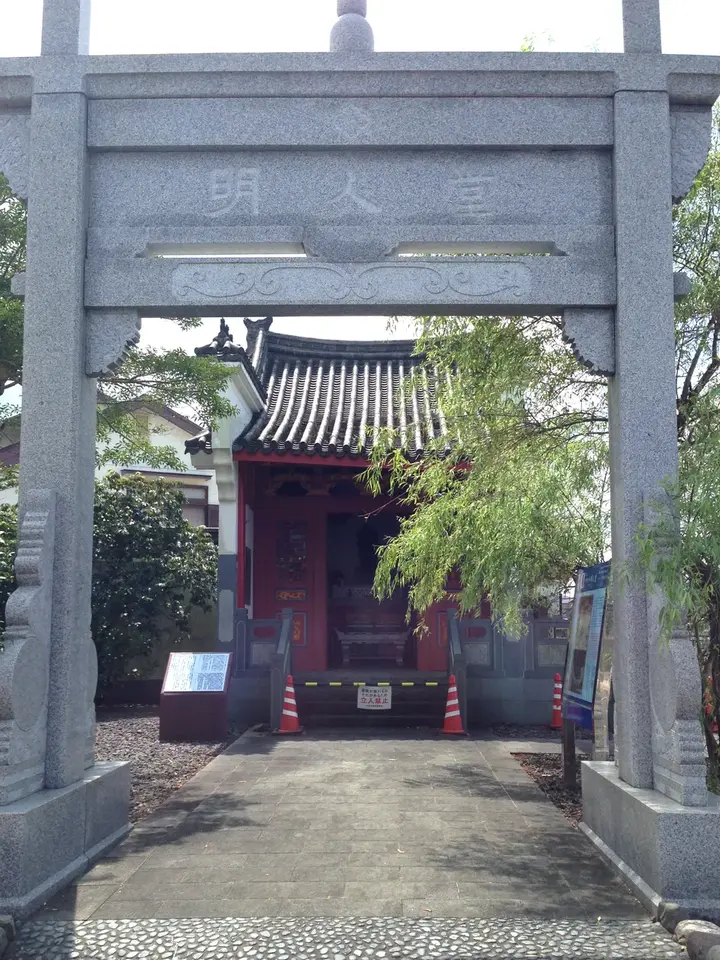
In the autumn of 1543, Wang Zhi steered a vessel carrying three Portuguese traders into the southern haven of Tanegashima Island off Kyushu. The local lord, Tanegashima Tokitaka, purchased two European matchlock muskets at an exorbitant price and commissioned metalsmiths to replicate them. This pivotal transfer revolutionized military architecture, battle tactics, and firearm deployment across Sengoku Japan, securing Wang Zhi tremendous favor among Japanese provincial daimyos. In 1548, Grand Coordinator Zhu Wan executed a punitive naval campaign that devastated the international smuggling enclave of Shuangyu in Zhejiang. Wang Zhi promptly consolidated displaced mariners and established a fortified maritime bastion at Liegang in the Zhoushan islands. When government forces dislodged him from Liegang in 1553, Wang relocated his maritime headquarters to Hirado in Hizen Province under the patronage of Matsura Takanobu. In Hirado, Wang erected residences, created administrative offices, commanded thousands of armed mariners, and proclaimed himself "King of Hui," dominating contraband routes across the East China Sea.
Faced with devastating coastal incursions by mixed Sino-Japanese pirate confederations, newly appointed Supreme Commander Hu Zongxian adopted a policy combining military pacification with internal division in 1555. Recognizing Wang Zhi as the linchpin of the maritime trade confederation, Hu released Wang's mother and wife from detention in Huizhou, extending protective care to them, and dispatched emissaries Jiang Zhou and Chen Kewan to Hirado with family correspondence. Hu held out prospects of an imperial pardon and the potential opening of regulated maritime commerce. Driven by an abiding ambition to legalize foreign trade and shed his criminal designation, Wang Zhi repatriated Ming captives and directed his adopted son Mao Haifeng to eliminate violent pirate factions led by Xu Hai. In the winter of 1557, Wang arrived with his fleet at Cengang in Dinghai to formally submit. However, Investigating Censor Wang Bengu and hardline court officials rejected Hu Zongxian's conciliation, ordering Wang Zhi arrested and imprisoned in Hangzhou. In the twelfth month of the thirty-eighth year of the Jiajing reign (January 1560), imperial orders decreed Wang Zhi's public execution. Before his demise, Wang lamented that executing him would only subject the coastal provinces to perpetual devastation. Following his death, his surviving lieutenants erupted in uncontrollable retaliatory warfare across the southern coast.
Operating under the strict maritime prohibitions of the Ming dynasty, Wang Zhi assembled an expansive maritime trade empire spanning South Zhili, Zhejiang, Fujian, the Ryukyu Kingdom, Japan, and Southeast Asia. His fleets possessed dozens of heavily armed merchant vessels and absorbed tens of thousands of dispossessed Chinese coastal fishermen, unemployed shipwrights, and Japanese ronin. This private maritime syndicate formed one of the largest non-governmental commercial navigation leagues in early modern East Asia, facilitating maritime trade and cross-regional economic exchanges.
Wang Zhi's facilitation of Portuguese contact at Tanegashima stands as a watershed milestone in the global history of military technology. The introduction of matchlock firearms rapidly altered siege warfare, military recruitment, and tactical formations among Japanese warlords. This technological catalyst directly influenced the strategic landscape of the Sengoku period, accelerating the consolidation of political authority under centralizing daimyos like Oda Nobunaga and culminating in the eventual unification of Japan.
FIGURES ASSOCIATED WITH THIS DYNASTY