Birth in Toldung
Born into the noble Gar clan in Gayu, Toldung; mastered military strategy and tribal administration from youth.
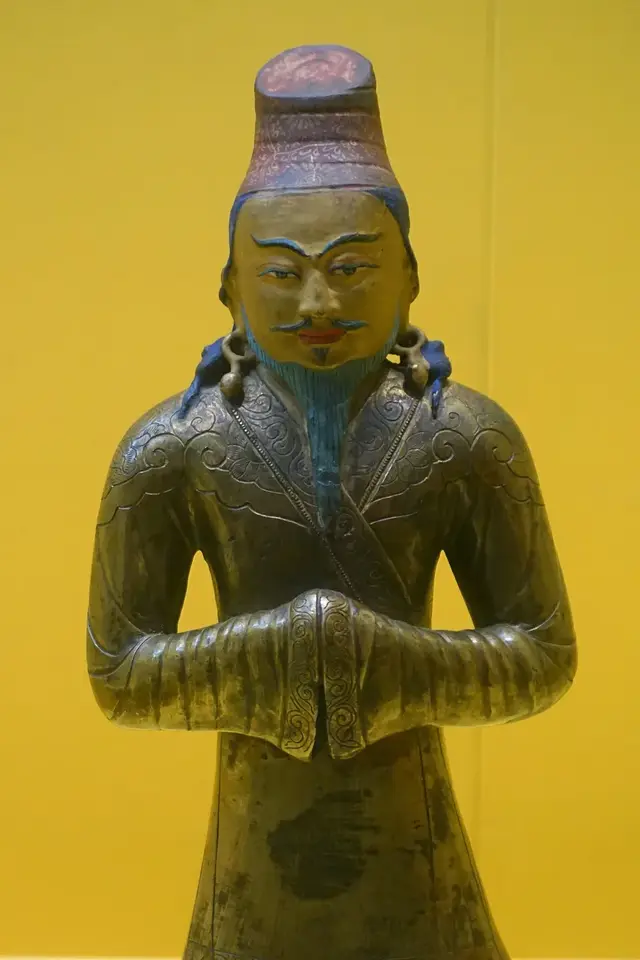
禄东赞
Gar Tongtsen Yulsung (噶尔·东赞域松, ? – 667), known in Chinese dynastic records as Lu Dongzan (禄东赞), was a native of Gayu in Toldung (modern Gyaca County, Shannan, Tibet). He was an illustrious statesman, military strategist, and diplomat of the early Tibetan Empire (Tubo), serving as the supreme minister and regent across the reigns of Songtsen Gampo and Mangsong Mangtsen. As the premier Great Councilor (Lönchen), he was…
Gar Tongtsen Yulsung (噶尔·东赞域松, ? – 667), known in Chinese dynastic records as Lu Dongzan (禄东赞), was a native of Gayu in Toldung (modern Gyaca County, Shannan, Tibet). He was an illustrious statesman, military strategist, and diplomat of the early Tibetan Empire (Tubo), serving as the supreme minister and regent across the reigns of Songtsen Gampo and Mangsong Mangtsen. As the premier Great Councilor (Lönchen), he was the founding patriarch of the powerful Gar clan, which dominated Tibetan governance for half a century. Celebrated in historical chronicles for his formidable intellect and resolute character—described as "resolute and grave, sincere and observant of ritual"—Tongtsen accompanied King Songtsen Gampo in unifying the plateau tribes, subduing Supi and Yangtong, and establishing Lhasa as the imperial capital. In 640 (the 14th year of the Zhenguan era), Tongtsen traveled to Chang'an as chief ambassador, presenting five thousand ounces of gold and hundreds of rare treasures to request an imperial marriage alliance with the Tang court. Confronted with Emperor Taizong's famous trial riddles—including threading a silk thread through a nine-curved pearl and pairing mares with their foals—Tongtsen solved every puzzle with consummate ingenuity. Deeply impressed, Emperor Taizong bestowed Princess Wencheng in marriage, appointed Tongtsen Grand General of the Right Guard, and offered him an imperial bride. Tongtsen respectfully declined the personal marriage, insisting on diplomatic propriety. In 641, Tongtsen escorted Princess Wencheng to Tibet, inaugurating a historic era of Sino-Tibetan cultural fusion. Following Songtsen Gampo's death in 649, Tongtsen governed the Tibetan Empire as regent for the infant king Mangsong Mangtsen. He reformed state institutions: compiling the Great Law of Tubo, surveying arable lands, introducing administrative ranks and insignia, and establishing the "Five Horns" (ru) military-administrative divisions. In foreign expansion, Tongtsen directed the annexation of the Tuyuhun Kingdom in 663, securing the Qinghai pastoral basins and the southern Silk Road. Tongtsen passed away in camp in 667. His sons, Gar Tsenyen Gungton, Gar Trinring Tsendro, and Gar Tsenba, inherited supreme chancellorships and generalships, establishing the legendary "Era of the Gar Clan."
Born into the noble Gar clan in Gayu, Toldung; mastered military strategy and tribal administration from youth.
Assisted Songtsen Gampo in dispatching the first formal Tibetan diplomatic mission to Chang'an.
Traveled as chief ambassador to Chang'an, solved the trial riddles, and secured the marriage of Princess Wencheng.
Escorted Princess Wencheng to the Yarlung Valley alongside Tang Prince Li Daozong for the royal wedding.
Aided Tang envoy Wang Xuance with 1,200 elite Tibetan cavalry to crush the usurper king of Central India.
Songtsen Gampo passed away; Tongtsen became Great Councilor (Lönchen) and regent for Mangsong Mangtsen.
Convened a grand council to codify the Great Law of Tubo, register households, and organize the Five Horns.
Led Tibetan armies in crushing the Tuyuhun Kingdom, annexing the Qinghai pastoral plateau into the empire.
Died of illness in military camp in Qinghai; sons succeeded to supreme chancellorships, elevating the Gar clan.
Gar Tongtsen was born into the ancient aristocratic Gar clan in Gayu, Toldung. During the brutal wars through which Songtsen Gampo unified the fragmented chiefdoms of the Tibetan plateau, the young Tongtsen distinguished himself by his sharp strategic foresight and organizational competence, quickly rising to become Songtsen Gampo's primary confidant.
In the early 7th century, Tibet was divided among feuding warlords and nomadic confederacies. Tongtsen accompanied Songtsen Gampo on grueling northern and western campaigns, pacifying the formidable kingdoms of Supi and Yangtong. Together, they founded the capital at Rasa (Lhasa), constructing fortifications and transforming Tibet into a centralized imperial state.
In 634 (the 8th year of the Zhenguan era), Tibet sent its first diplomatic mission to Chang'an, but Emperor Taizong declined a royal marriage. Following a brief border clash at Songzhou in 638, Songtsen Gampo recognized the cultural prestige and military strength of the Tang empire, resolving to pursue a lasting alliance through diplomacy.
In 640 (the 14th year of the Zhenguan era), Songtsen Gampo dispatched Tongtsen as chief ambassador to Chang'an, bearing five thousand ounces of gold and hundreds of regional treasures to formally request a royal bride.
Envoys from India, Persia, the Turks, and Tuyuhun were gathered in Chang'an with identical marriage requests. To evaluate the envoys, Emperor Taizong devised famous tests known in chronicles as the "Five Riddles": threading a silk string through a convoluted nine-curved pearl, which Tongtsen solved by tying the thread to an ant and luring it with honey; pairing one hundred mares with their foals, solved by separating them overnight so thirsty foals rushed to their mothers; identifying the root and tip of a smooth timber log by floating it in water; and recognizing Princess Wencheng amidst hundreds of identically robed court maidens by her demeanor and natural fragrance.
Tongtsen's brilliance earned the admiration of the Tang emperor and courtiers. Emperor Taizong formally granted Princess Wencheng in marriage to Songtsen Gampo. Seeking to retain Tongtsen in imperial service, Taizong appointed him Grand General of the Right Guard and offered him a noble bride. Tongtsen respectfully declined, stating: "I have a wedded wife at home, and for a minister to wed an imperial bride before his king has welcomed his royal consort would violate loyalty." Impressed by his decorum, Taizong showered him with gifts and allowed his honorable return.
In the spring of 641, Emperor Taizong instructed Prince of Jiangxia Li Daozong to escort Princess Wencheng to Tibet. Tongtsen served as the chief Tibetan reception commissioner, escorting the procession through Qinghai, across the Sun and Moon Mountain, and over the Tongtian River to Lhasa. Songtsen Gampo met the cortege at Lake Zaling, holding a grand royal wedding.
Princess Wencheng brought agricultural technology, silkworms, medical treaties, and the revered statue of the twelve-year-old Jowo Shakyamuni, inaugurating a golden era of Sino-Tibetan cultural exchange, largely made possible by Tongtsen's diplomatic vision.
In 649, King Songtsen Gampo died unexpectedly. Because his only son Gungsong Gungtsen had predeceased him, the throne passed to his infant grandson Mangsong Mangtsen. Facing political instability, Tongtsen was appointed Great Councilor (Lönchen), governing as regent for over a decade.
During his regency, Tongtsen transformed the Tibetan state:
With domestic institutions secured, Tongtsen looked toward the northeast. The Tuyuhun Kingdom held the Qinghai pastoral basins and commanded the southern routes of the Silk Road. Long a vassal of the Tang, Tuyuhun had engaged in frequent border skirmishes with Tibet.
Tongtsen realized that annexing Tuyuhun would secure valuable cavalry horse farms and command strategic gateways toward Chang'an. In the early Longshuo era, factional conflict erupted within Tuyuhun, and senior minister Suhe Gui defected to Tibet. Seizing the opportunity, Tongtsen led heavy Tibetan cavalry across the Kunlun Mountains.
In 663 (the 3rd year of the Longshuo era), Tongtsen's armies decisively crushed the Tuyuhun forces. King Nuohebo and Princess Honghua fled to Liangzhou under Tang protection. The Tuyuhun Kingdom was extinguished, and the Qinghai pastoral plateau was absorbed into the Tibetan Empire. This conquest transformed the Eurasian balance of power, initiating a century of strategic rivalry between Tibet and the Tang over the Western Regions and the Hexi Corridor.
Following this victory, Tongtsen remained stationed in military outposts near Lake Qinghai, building defensive fortresses and drilling cavalry divisions. In 667 (the 2nd year of the Qianfeng era), the veteran chancellor passed away from illness in camp at Ribaocheng. His eldest son Gar Tsenyen succeeded as Great Councilor, while his second son Gar Trinring became supreme commander, inaugurating the glorious "Era of the Gar Clan."
Serving as ambassador to Chang'an in 640, Tongtsen solved the imperial riddles, respectfully declined personal rewards, and successfully secured the marriage of Princess Wencheng, fostering historical cultural integration between Han and Tibetan civilizations.
During his regency under Mangsong Mangtsen, Tongtsen promulgated the Great Law of Tubo, instituted the Five Horns administrative-military structure, and established the official rank insignia system, forging a centralized imperial administration.
In 663, Tongtsen directed the conquest of Tuyuhun, incorporating the vast grazing lands of Qinghai into Tibetan territory and establishing the empire as a formidable rival to the Tang.
Through exceptional military and civil leadership, Tongtsen elevated his lineage into the preeminent ministerial house of Tibet, grooming sons who dominated Tibetan government and army commands for generations.
FIGURES ASSOCIATED WITH THIS DYNASTY