Tibetan Mission Proposes Alliance
Tsenpo Tritsu Detsen sent envoy Lon Nalo to Chang'an to formally petition Emperor Muzong for a comprehensive peace alliance.
Tang Dynasty (唐朝) · HISTORICAL EVENT
唐蕃长庆会盟
The Tang-Tibetan Changqing Alliance (821–823, spanning the first to third years of the Changqing era under Emperor Muzong and the seventh to ninth years of the Yitai era in Tibet) was the most significant and durable bilateral peace settlement concluded between the Tang Dynasty and the Tibetan Empire following two centuries of intermittent warfare. In 821, Tibetan Tsenpo Tritsu Detsen (Ralpacan), recognizing the immense exhaustion caused by perpetual…
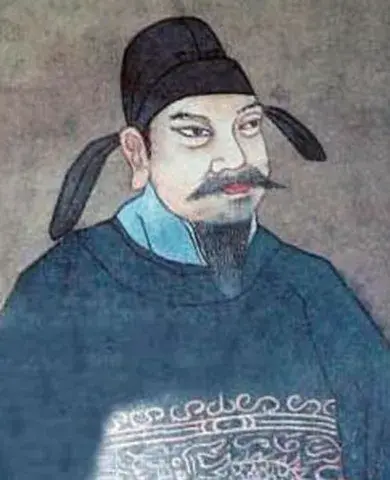
The Tang-Tibetan Changqing Alliance (821–823, spanning the first to third years of the Changqing era under Emperor Muzong and the seventh to ninth years of the Yitai era in Tibet) was the most significant and durable bilateral peace settlement concluded between the Tang Dynasty and the Tibetan Empire following two centuries of intermittent warfare. In 821, Tibetan Tsenpo Tritsu Detsen (Ralpacan), recognizing the immense exhaustion caused by perpetual campaigning, dispatched envoys to Chang'an proposing permanent peace. Emperor Muzong directed seventeen prominent court ministers, including Grand Chancellors Pei Du and Xiao Mian, to swear solemn oaths alongside Tibetan envoy Lon Nalo on an altar erected in the western suburbs of Chang'an. In 822, the Tang dispatched Minister of Justice Liu Yuanding to Tibet, where he participated in a reciprocal oath-taking ceremony with Tritsu Detsen and Prime Minister Shang Qixin'er at Zhedue Garden east of Lhasa. The treaty reaffirmed the traditional uncle-nephew political bond, codified non-aggression, and mandated mutual assistance in times of calamity. In 823, the treaty text was inscribed in both Han Chinese and Tibetan on a monumental stone stele erected before the Jokhang Temple in Lhasa, known as the Tang-Tibetan Treaty Inscription. The Changqing Alliance dismantled the long-standing frontier crisis, ushering in fifty years of peace and leaving a lasting legacy of cultural and ethnic integration.
Tsenpo Tritsu Detsen sent envoy Lon Nalo to Chang'an to formally petition Emperor Muzong for a comprehensive peace alliance.
Emperor Muzong deliberated with Chancellor Pei Du, resolved to conclude peace, and ordered an altar built in Chang'an's western suburbs.
Chancellors Xiao Mian, Duan Wenchang, and Pei Du performed the oath ceremony alongside Lon Nalo on the suburban altar.
Emperor Muzong appointed Liu Yuanding as Principal Envoy to escort Lon Nalo across the high plateaus to Lhasa.
Liu Yuanding's delegation arrived in the Tibetan capital of Rasa after traversing thousands of li, received with state honors by the Tsenpo.
Tsenpo Tritsu Detsen, Monk-Minister Danka Palgyi Yonten, and Liu Yuanding completed the reciprocal oath-swearing ceremony.
The bilingual Tang-Tibetan Treaty Inscription was erected in the plaza before the Jokhang Temple in Lhasa, consummating the historic alliance.
Official relations between the Tang Empire and the Tibetan Empire commenced during the Zhenguan reign of Emperor Taizong. In 641 (Zhenguan Year 15), Princess Wencheng married Songtsen Gampo, initiating the legendary uncle-nephew diplomatic bond; in 710 (Jinglong Year 4), Emperor Zhongzong married Princess Jincheng to Me Agtsom, deepening political and cultural exchange.
However, following the outbreak of the An Lushan Rebellion in 755, the Tang court withdrew elite border divisions to suppress internal insurrections. The Tibetan military exploited this vacuum, overrunning the Hexi and Longyou corridors and briefly capturing Chang'an for fifteen days in 763. Over the subsequent half-century, the empires engaged in dozens of military clashes. Although both sides negotiated settlements such as the Qingshui Alliance of 783, frontier violations like the Pingliang Incident of 787 collapsed trust, plunging the borderlands into relentless warfare that depopulated the frontier.
By the 820s, prolonged strategic confrontation had drained the resources of both states, making peace an urgent mutual necessity. For the Tang, although Emperor Xianzong had suppressed several warlord circuits during the Yuanhe restoration, military mutinies erupted anew in Lulong and Chengde in 821. Facing mounting fiscal strains, the court required a secure western frontier to concentrate on pacifying the northern circuits.
For Tibet, domestic and foreign crises were even more severe. Bitter sectarian tensions between court Buddhists and conservative Bon nobles undermined the Tsenpo's authority. Simultaneously, Tibet engaged in grueling wars against the Uyghur Khaganate to the north and faced intense pressure from the Abbasid Caliphate along its western frontiers in Central Asia. When Emperor Muzong ascended the Tang throne in 821, Tibetan Tsenpo Tritsu Detsen seized the opportunity to dispatch two successive diplomatic missions to Chang'an to propose a comprehensive peace treaty.
In the third month of 821 (Changqing Year 1), Tibetan envoys led by Lon Nalo arrived in Chang'an bearing official letters. The memorial stated that the two dynasties had been bound as uncle and nephew for generations, but minor frontier disputes had ignited catastrophic wars, bringing misery to common subjects. The Tsenpo proposed to dismantle military outposts, renew familial affection, and establish an everlasting covenant. Emperor Muzong received the envoys with honor and referred the proposal to his chancellors.
Grand Chancellors Pei Du, Xiao Mian, and Duan Wenchang unanimously recommended accepting the overture. They argued that peace would relieve border subjects from perpetual combat and allow the throne to restore administrative discipline throughout the northern circuits. Convinced by their counsel, Emperor Muzong issued an imperial edict approving the alliance, commissioning his chancellors to draft treaty terms and construct an oath altar in the western suburbs of Chang'an.
On the tenth day of the tenth month of 821, the solemn alliance ceremony took place in the western suburbs of Chang'an. Emperor Muzong designated seventeen prominent civil and military dignitaries, including Chancellors Xiao Mian, Duan Wenchang, and Pei Du, to act as primary sponsors on behalf of the Tang Empire, while Lon Nalo led the Tibetan delegation.
The ceremony combined classical Han rites with ancient Inner Asian traditions. Sacrificial oxen and horses were offered at the altar, where the chancellors recited the treaty covenants invoking the heavens, mountains, rivers, and celestial deities. The covenant declared: "The two realms of Tang and Tibet shall each protect their own territories without crossing boundaries. Neither shall muster troops, violate borders, or seize lands, but shall maintain peaceful neighborliness." The dignitaries sealed the covenant by tasting sacrificial blood, followed by a state banquet hosted in the Liangyi Hall. This concluded the initial phase of the alliance.
To complete the reciprocal ratification ceremony in the Tibetan capital, Emperor Muzong appointed Grand Minister of Justice Liu Yuanding as Principal Alliance Envoy, accompanied by Vice Minister of the Court of Imperial Sacrifices Liu Shilaa, escorting the Tibetan delegation westward in early 822.
The mission crossed Mount Long, traversed the Huangshui valley, passed through the Sun and Moon Mountains, and ascended the Kunlun ranges. Along the route through Hexi and Longyou, Liu Yuanding observed that local Chinese inhabitants still remembered their ancestral heritage, weeping by the roadside upon sighting imperial banners. Passing through the source regions of the Yellow River around Mount Jishi and Gyaring Lake, the embassy was received by local Tibetan chieftains who provided yak butter tea, mutton, and furs on the Tsenpo's orders. After traversing thousands of li across high-altitude plateaus, the mission reached the Tibetan capital of Rasa (Lhasa) in the fourth month of 822.
On the sixth day of the fifth month of 822, Tsenpo Tritsu Detsen convened the ratification ceremony at Zhedue Garden east of Lhasa. A three-tiered ceremonial altar was erected, attended by the Tsenpo, Supreme Buddhist Monk-Minister Danka Palgyi Yonten, Prime Minister Shang Qixin'er, and over one hundred civil and military grandees, facing Liu Yuanding and the Tang delegates.
Accompanied by ritual monastic music, the bilingual treaty text was suspended before the altar. The delegates swore solemn oaths before heaven and earth: "Between the two borders, there shall be no alarms of war, no incursions, and no plunder. Each shall assist the other in times of distress and aid the other during pestilence. May the spirits witness this; whoever breaks this oath shall be destroyed!" The Tsenpo and Liu Yuanding exchanged ceremonial toasts and presented precious gifts of incense, jade vessels, and pedigree chargers, completing the bilateral ratification.
To ensure the covenant endured across generations, the two courts erected a monumental bilingual stone stele in 823 (Changqing Year 3 / Tibetan Yitai Year 9) in the plaza before the Jokhang Temple in Lhasa, known as the Tang-Tibetan Treaty Inscription or the Uncle-Nephew Alliance Stele. Standing nearly five meters high, the monument combined a Tang-style turtle plinth with a Tibetan four-tiered stone roof cap, symbolizing the synthesis of Han and Tibetan architectural aesthetics.
The western face of the stele bore the treaty covenants in Tibetan script, while the eastern face presented the text in Han Chinese regular script. The northern and southern faces listed the names and official titles of the seventeen participating dignitaries from each court. The inscription proclaimed: "The two sovereigns, uncle and nephew, having conferred together, have unified their states in harmony, establishing enduring peace. The Tibetans shall be content with their Tibetan lands, and the Chinese shall preserve their Chinese domains. Neither shall mobilize armies across the borders, nor seize territory, nor harbor mutual distrust... This oath is carved in stone to be preserved as a treasure forever!"
The Changqing Alliance represented a profound convergence of Han imperial statecraft and Tibetan cultural practices. Ancient Chinese alliance rituals derived from the Zhou dynasty emphasized animal sacrifice and blood-smearing to invoke ancestral spirits and natural gods. Conversely, Tibet under Tritsu Detsen had embraced Mahayana Buddhism while maintaining traditional Bon commitments. Both sides demonstrated remarkable tolerance and mutual accommodation.
During the Chang'an ceremony, the Tang permitted Tibetan delegates to perform native solar prostrations. In Lhasa, besides traditional horse and ox sacrifices, Tritsu Detsen commanded Monk-Minister Danka Palgyi Yonten to ascend the high dais holding Buddhist scriptures, swearing by the Three Jewels (Buddha, Dharma, and Sangha) and dharmapala deities. This combination of Confucian statecraft and Buddhist spiritual sanction endowed the treaty with profound moral authority.
Following the ceremonies, both empires implemented treaty provisions along their expansive frontier. Adhering to the principle that each realm preserve its historic bounds, the traditional boundaries of Qingshui County and Mount Chiling (modern Sun and Moon Mountains) were formally recognized as the dividing line. Both governments dismantled advance garrisons and prohibited troops from crossing borders or harboring fugitives, extinguishing beacon fires along the frontier.
To foster mutual trust, regular communications were established through official relay stations and joint trading posts. Tibetan merchants and pilgrims carrying Tang passes traveled freely across the frontier to Chang'an, while Chinese traders traversed mountain passes into Lhasa and India, creating an expansive non-military buffer zone that allowed frontier communities to thrive in tranquility.
From the initial Tibetan mission to Chang'an in 634 (Zhenguan Year 8), the Tang and Tibetan empires concluded at least ten major peace alliances over two centuries. Earlier treaties, such as the Shenlong, Kaiyuan, and Qingshui alliances, broke down due to localized border friction or palace coups, culminating in the tragedy of the Pingliang Incident in 787 when Tibetan generals ambushed a Tang delegation.
The Changqing Alliance endured because both leaderships recognized that military overextension was mutually destructive. It permanently dispelled earlier acrimony through precise, egalitarian language, reciprocal state rituals, and an indelible bilingual monument. The alliance solidified the political concept of familial uncle-nephew peace, standing as the crowning achievement in the diplomatic history of early Sino-Tibetan relations.
The Changqing Alliance definitively ended more than two centuries of warfare that had persisted since the mid-seventh century. By establishing the principle that each nation govern its ancestral territory without incursion, border beacon towers were extinguished. In subsequent decades, no large-scale military conflicts occurred, allowing civilian agriculture, animal husbandry, and border trade along the Gansu, Qinghai, and Sichuan frontiers to flourish.
The alliance formalized the familial uncle-nephew political tradition established under Princesses Wencheng and Jincheng. By carving the phrase "the two sovereigns, uncle and nephew, have unified their states in harmony" into stone, the treaty bound the Han and Tibetan peoples into a shared political and ethical framework, laying the ideological and legal foundations for Tibet's historical integration into the unified Chinese state during the Yuan, Ming, and Qing dynasties.
The opening of the frontiers triggered unprecedented cultural exchange. Chinese techniques of paper-making, woodblock printing, metallurgy, medicine, and textile weaving flowed into Tibet, while Tibetan horses, wool, herbal remedies, and metalcraft were traded into China. The Tang-Tibetan Treaty Inscription, which stands today before the Jokhang Temple, remains one of the world's most valuable bilingual historical monuments from the ninth century, testifying to the enduring unity of the Chinese nation.
Dynastic historians have celebrated the Tang-Tibetan Changqing Alliance. The appraisal in the Old Book of Tang states: "The uncle and nephew formed an alliance, reviving traditional fellowship. In the Changqing era, fresh covenants were promulgated. Sparing subjects the misery of war and renewing golden bonds, they carved stone at the capital gates to bless ten thousand generations—truly a blessing for the realm."
In the New Book of Tang, Northern Song scholar Ouyang Xiu observed: "In governing the frontiers, no adversary troubled the Tang more than Tibet. Through the Changqing Alliance, embassies traveled unhindered and armies rested; though the late Tang waned, its borders remained secure, demonstrating the power of this covenant." Renowned French Tibetologist Paul Demieville characterized the Tang-Tibetan Treaty Inscription in his work Le Concile de Lhasa as the most significant epigraphic source known for ancient Asian history. Modern historians and ethnologists regard the alliance as a pinnacle of ancient Chinese diplomacy, demonstrating how mutual respect and bilingual legal monuments can enshrine enduring peace across diverse civilizations.