Founding of Nanzhao Vassal State
Piluoge unifies the six tribes with Tang imperial support and is invested as Prince of Yunnan.
Tang Dynasty (唐朝) · HISTORICAL EVENT
天宝战争
The Tianbao War was a catastrophic series of military campaigns waged between 751 and 754 by the Tang Dynasty against the newly unified southwestern kingdom of Nanzhao. Initially supported by Tang authorities to unify the six tribes around the Erhai basin, Nanzhao expanded rapidly under King Geluofeng. Escalating abuses by corrupt Tang frontier officials culminated in the violent seizure of Yaozhou. In response, Tang chancellor Yang Guozhong dispatched…
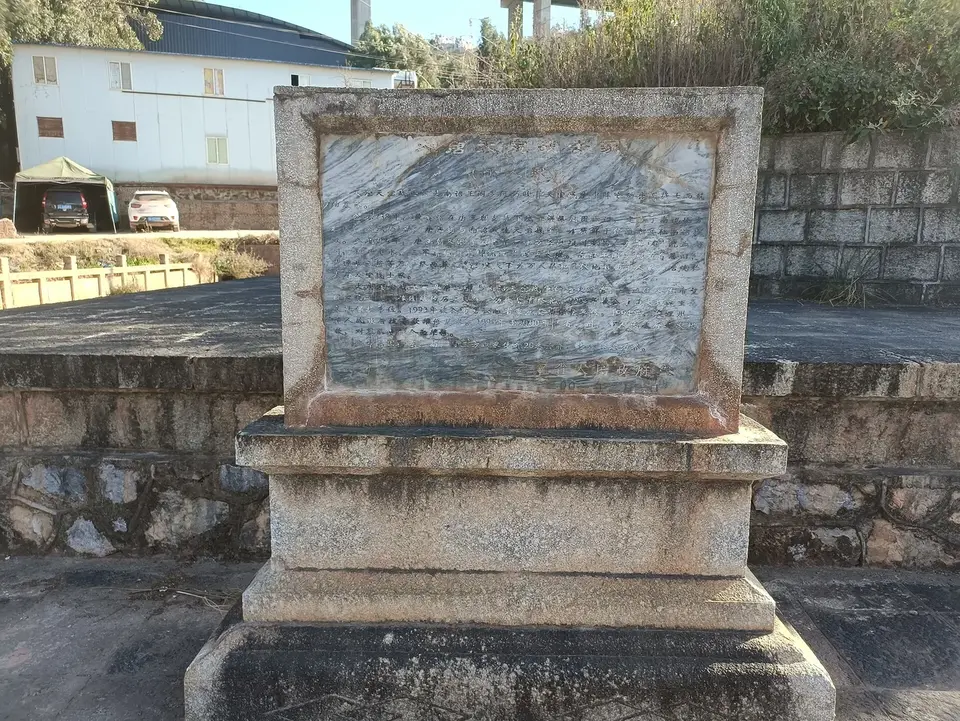
The Tianbao War was a catastrophic series of military campaigns waged between 751 and 754 by the Tang Dynasty against the newly unified southwestern kingdom of Nanzhao. Initially supported by Tang authorities to unify the six tribes around the Erhai basin, Nanzhao expanded rapidly under King Geluofeng. Escalating abuses by corrupt Tang frontier officials culminated in the violent seizure of Yaozhou. In response, Tang chancellor Yang Guozhong dispatched two massive imperial expeditions commanded by Xianyu Zhongtong and Li Mi. Both expeditions suffered catastrophic encirclement and annihilation amidst mountainous terrain, hostile climate, and malaria epidemics, resulting in nearly two hundred thousand Tang casualties and accelerating the dynasty's slide toward domestic catastrophe.
Piluoge unifies the six tribes with Tang imperial support and is invested as Prince of Yunnan.
Corrupt prefect Zhang Qiantuo abuses Geluofeng; Nanzhao captures Yaozhou and kills Zhang.
Xianyu Zhongtong rejects peace offers; Tang army suffers sixty thousand casualties against Nanzhao-Tibetan coalition.
Geluofeng aligns with the Tibetan Empire and erects the Nanzhao Dehua Inscription.
Li Mi leads over seventy thousand troops to Taihe City; entire army destroyed by disease and encirclement.
Throughout the early Tang Dynasty, the imperial court administered the southwestern frontier through loose-rein prefectures, maintaining regional stability through local chieftains. In the Erhai region, six rival tribal entities coexisted under constant pressure from the expanding Tibetan Empire. To secure the southwestern frontier and block Tibetan southward encroachment, Emperor Xuanzong supported the southernmost chieftain Piluoge.
With extensive financial and logistical backing from the Tang military governor of Jiannan, Piluoge subdued his rivals and unified the Erhai basin in 738. Tang Xuanzong invested Piluoge with the title Prince of Yunnan, creating a loyal vassal buffer on the southwestern frontier. Following Piluoge's death, his capable son Geluofeng succeeded him and centralized administrative governance.
However, the rapid growth of Nanzhao power provoked suspicion and anxiety among Tang frontier officials. Administrative friction intensified over border demarcation, trade, and tribute requirements. Furthermore, Tang governance along the frontier was severely undermined by arrogance and corruption.
In 750, the Tang prefect of Yunnan, Zhang Qiantuo, engaged in systematic extortion and subjected King Geluofeng and his wife to public insults. Zhang subsequently sent secret dispatches to Chang'an accusing Nanzhao of treason. Fearing preemptive imperial destruction, Geluofeng launched a preemptive strike, storming Yaozhou, killing Zhang Qiantuo, and occupying thirty-two tribal prefectures. Outraged by this defiance, Emperor Xuanzong authorized newly appointed chancellor Yang Guozhong to mobilize a massive punitive expedition.
In early 751, Yang Guozhong appointed his political ally Xianyu Zhongtong to command an imperial force of eighty thousand infantry and cavalry drawn from Jiannan, Longyou, and central commands. The Tang army advanced across the Dadu and Jinsha rivers in two columns, marching thousands of li toward the Erhai basin.
Recognizing the immense military power of the Tang Empire, Geluofeng sought a negotiated diplomatic resolution. He dispatched senior envoys carrying lavish tributes to Xianyu Zhongtong's encampment. Geluofeng formally pleaded that the capture of Yaozhou was solely provoked by Zhang Qiantuo's egregious conduct, offering to surrender the captured fortifications, pay war reparations, and reaffirm permanent tributary loyalty. He cautioned that if Tang forces insisted on total destruction, Nanzhao would have no alternative but to seek Tibetan protection.
Xianyu Zhongtong arrogantly rejected the peace proposal and detained the envoys, determined to secure personal glory through territorial conquest. He forced his troops across the Lu River and marched through the narrow defiles of the West Er River toward the fortress of Xiaguan.
In response, Geluofeng concluded an emergency military alliance with the Tibetan Empire, which dispatched veteran cavalry to Yunnan. Nanzhao elite infantry fortified the narrow mountain approaches between Mount Cang and the lake, drawing Tang forces into an extended logistical trap.
When Tang forces launched repeated frontal assaults against Xiaguan, torrential summer rains destroyed supply routes and triggered rampant sickness. As Tang discipline deteriorated, allied Tibetan cavalry and Nanzhao forces launched a coordinated counteroffensive from the mountain ridges and lake flanks. Caught in narrow defiles, the disorganized Tang army disintegrated. Over sixty thousand Tang soldiers were killed or drowned in the West Er River, with Xianyu Zhongtong barely escaping to Chengdu. Following the victory, Geluofeng accepted formal investiture from Tibet and erected the celebrated Nanzhao Dehua Inscription explaining his coerced rebellion.
Panicking at the prospect of imperial censure, Yang Guozhong concealed the catastrophe, fabricating a false victory for Emperor Xuanzong while orchestrating an even larger second campaign. In 754, imperial commissioners conducted ruthless nationwide conscription, forcibly drafting over seventy thousand troops. Yang Guozhong placed imperial censor Li Mi in command of this massive force.
Li Mi crossed the Jinsha River and marched deep into Yunnan, reaching the walls of Taihe City. Geluofeng implemented scorched-earth tactics, burning forage, evacuating surrounding rural populations, and poisoning water sources. Amidst oppressive summer heat and virulent malarial outbreaks, thousands of Tang soldiers collapsed before engaging the enemy.
Cut off from all supplies by Nanzhao guerrilla detachments, Li Mi ordered a desperate withdrawal. Pre-positioned Nanzhao and Tibetan forces encircled the retreating columns along the shores of Erhai. The exhausted Tang soldiers were massacred or captured en masse. Li Mi drowned in the lake during the rout, and virtually the entire imperial expedition perished.
The Tianbao War fundamentally transformed the balance of power across southwest China. Tang military presence in the region collapsed completely, with frontier garrisons falling back to the Chengdu plain. Nanzhao consolidated its undisputed hegemony, severed Tang overland communications with Southeast Asia and India, and evolved into a formidable independent kingdom that endured for centuries.
Domestically, the war inflicted devastating damage upon Tang society and economy. The loss of two hundred thousand seasoned troops and vast financial reserves exhausted provincial treasuries. Ruthless press-gangs provoked widespread popular grief, immortalized in the poignant anti-war verses of Du Fu and Bai Juyi.
Crucially, the military vacuum created by the catastrophe in Yunnan depleted imperial reserves around Chang'an and Luoyang. Observing that imperial palace armies were hollowed out while border commands stood unchallenged, military commissioner An Lushan recognized the dynasty's fatal vulnerability, precipitating the devastating An Lushan Rebellion in late 755.
Traditional historians have universally condemned the Tianbao campaigns as an exemplary tragedy of bureaucratic arrogance and sycophancy. Sima Guang in the Comprehensive Mirror for Aid in Governance censured Yang Guozhong for burying hundreds of thousands of imperial subjects in foreign wilderness solely to conceal administrative deceit.
Modern scholars emphasize that the Tianbao War demonstrated the systemic decay of the late Kaiyuan-Tianbao military administration. By converting a loyal tributary buffer into an implacable enemy and bleeding the empire white on peripheral marches, the conflict sounded the death knell for the High Tang golden age.