Founding of the Suiyang School
Yang Que and Qi Tongwen open private classrooms in Shangqiu, initiating the academy movement.
Northern Song Dynasty (北宋) · HISTORICAL EVENT
北宋书院兴起
The Rise of Academies in the Northern Song (北宋书院兴起) was a transformative institutional and intellectual evolution in Chinese educational and cultural history between the tenth and twelfth centuries. The chronic warfare of the late Tang and Five Dynasties had obliterated the imperial educational network, leaving official schools in ruins. When the Northern Song dynasty unified the Central Plains, it adopted a foundational state policy prioritizing civil…
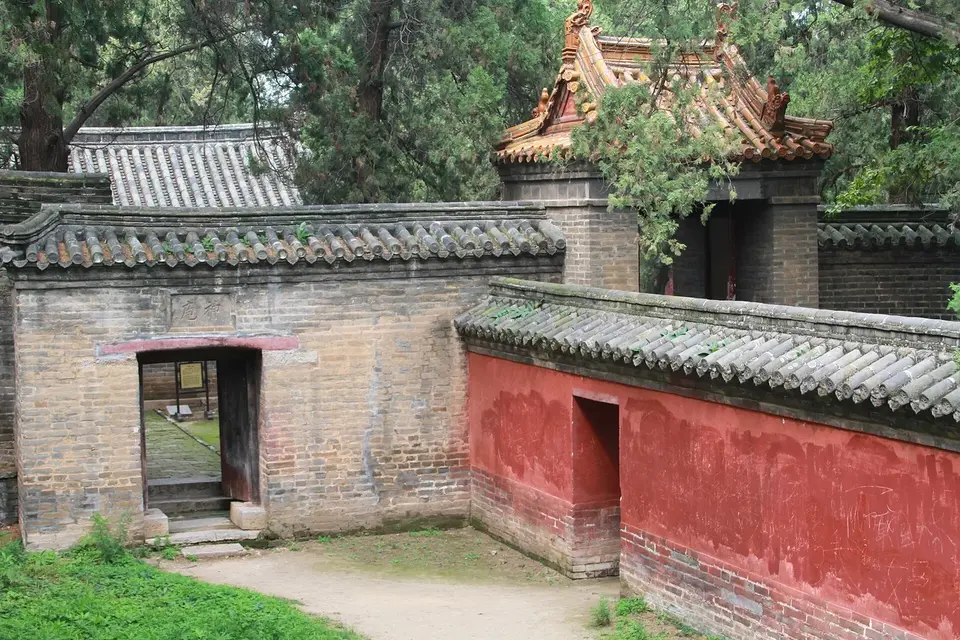
The Rise of Academies in the Northern Song (北宋书院兴起) was a transformative institutional and intellectual evolution in Chinese educational and cultural history between the tenth and twelfth centuries. The chronic warfare of the late Tang and Five Dynasties had obliterated the imperial educational network, leaving official schools in ruins. When the Northern Song dynasty unified the Central Plains, it adopted a foundational state policy prioritizing civil administration over military hegemony and vastly expanded the imperial examinations. This created an unprecedented surge in scholarly ambition that regional official schools could not satisfy. Drawing inspiration from the retreat and monastic community traditions of Chan Buddhist monasteries, literati established independent private academies within scenic mountain retreats. With imperial recognition and patronage from Emperors Taizu, Taizong, Zhenzong, and Renzong, four premier institutions emerged: Yingtianfu Academy, Yuelu Academy, White Deer Grotto Academy, and Songyang Academy (alongside Shigu Academy). The court repeatedly conferred imperial calligraphic plaques, authorized print editions of the Nine Classics, and assigned permanent endowment lands to support tuition-free study. Luminary scholars including Fan Zhongyan, Qi Tongwen, Yan Shu, Zhou Shi, and the Cheng brothers (Cheng Hao and Cheng Yi) lectured at these centers. Discarding narrow examination cramming, Northern Song academies pioneered open intellectual debates, self-directed textual inquiry, and moral self-cultivation, serving as the essential cradle for the germination and spread of Song Neo-Confucianism.
Yang Que and Qi Tongwen open private classrooms in Shangqiu, initiating the academy movement.
Prefect Zhu Dong erects lecture halls on Mount Yuelu with Buddhist monastic assistance.
Emperor Taizong presents printed Nine Classics to White Deer Grotto and an imperial plaque to Shigu.
Emperor Taizong grants printed scriptures to the academy on Mount Song, later named Songyang.
Cao Cheng rebuilds the school; Emperor Zhenzong bestows the plaque Yingtianfu Academy and ten qing of land.
Emperor Zhenzong summons director Zhou Shi and writes the imperial calligraphy for Yuelu Academy.
Fan Zhongyan directs Yingtianfu Academy, launching curricular reforms that inspire nationwide imitation.
Emperor Renzong grants the imperial plaque for Songyang Academy and refurbishes Shigu Academy.
Emperor Renzong elevates Yingtianfu Academy to the Directorate of Education of the Southern Capital.
Cheng Hao and Cheng Yi establish the School of Luoyang at Songyang, while Sima Guang drafts his history.
From the An Lushan Rebellion through the chaotic Five Dynasties and Ten Kingdoms period, incessant warlord conflicts devastated the central and local educational systems established during the Han and Tang dynasties. Imperial directorates in Chang'an and Luoyang decayed into overgrown ruins, Confucian sacrificial rites ceased, and classical libraries were consumed by fire.
Throughout more than a century of turmoil, formal education was largely abandoned across the provinces. Aspiring scholars seeking classical knowledge frequently took refuge within tranquil Buddhist mountain cloisters, utilizing monastic book collections to pursue their studies. This enduring custom established a lasting psychological association between scenic mountain sanctuaries and contemplative classical learning, laying the groundwork for the geographic distribution of Song academies.
Upon founding the Northern Song in 960, Emperor Taizu implemented deliberate policies to curb military warlordism by elevating scholar-officials to paramount executive authority. Emperors Taizu and Taizong dramatically enlarged the civil service examination quotas, increasing jinshi admissions from a few dozen per sitting to several hundreds, while offering unprecedented social prestige, legal immunities, and generous stipends to civil degree holders.
This democratization of social mobility sparked nationwide passion for classical literacy. However, during the early decades of the dynasty, imperial fiscal resources were consumed by southern conquest campaigns and northern border defenses against the Khitan Liao Empire.
The imperial government lacked the funds to construct and staff schools across hundreds of prefectures. The severe contradiction between intense popular demand for higher learning and the glaring absence of official local schools catalyzed the rise of autonomous private academies.
The physical organization and spiritual culture of Song academies were directly modeled upon the monastic system of Chan Buddhism. Chan monasteries had developed highly structured communal lifestyles, combining shared residential quarters, lecture halls, master-disciple dialogues, and economic self-sufficiency supported by donated temple estates.
Confucian scholars recognized the superiority of this institutional model over bureaucratic urban schools. Academies adopted similar spatial designs, establishing lecture chambers, dormitories, ancestral shrines, and book towers in secluded mountain forests, while adopting monastic terminology such as shanzhang (mountain master) to designate academy heads.
Simultaneously, following Han Yu's advocacy of the Confucian lineage of the Way, Song thinkers required a consecrated venue detached from worldly civil competition to investigate cosmological metaphysics and cultivate moral character. Academies provided the ideal institutional vessel for this intellectual renaissance.
The institutional precursor of Northern Song academies originated in Shangqiu during the Later Jin dynasty of the Five Dynasties era. Around 936, scholar Yang Que established the Suiyang School beside the southern lake of Shangqiu, assisted by general Zhao Zhi.
Upon Yang Que's death, his gifted disciple and brother-in-law Qi Tongwen assumed leadership. Renowned for profound classical erudition and unblemished moral integrity, Qi Tongwen declined official appointments to dedicate his life to educating youth. He promoted an innovative pedagogical philosophy emphasizing ethical virtue and practical statesmanship above examination credentials.
Aspiring scholars traveled hundreds of miles to attend his lectures. Qi Tongwen nurtured dozens of brilliant pupils who achieved high examination honors and served as prime ministers and ministers of state, establishing Suiyang as the premier intellectual center of the Central Plains and laying the foundations of the future Yingtianfu Academy.
During the Jingde and Dazhong Xiangfu eras of Emperor Zhenzong, wealthy Shangqiu philanthropist Cao Cheng invested three million copper cash to purchase hundreds of mou of land, rebuilding the school on the historic Suiyang site. Cao Cheng erected 150 study halls and residential rooms, amassed thousands of classical volumes, and opened the doors to impoverished students without charging tuition.
In February 1009, Emperor Zhenzong officially granted the academy imperial recognition, naming it Yingtianfu Academy and allocating ten qing of public lands as permanent endowment.
In 1011, young Fan Zhongyan enrolled at Yingtianfu Academy. Living in severe poverty for five years, Fan studied relentlessly through freezing winters, dividing bowls of congee for sustenance, until passing the jinshi examination in 1015.
In 1026, while in mourning for his mother, Fan Zhongyan was appointed director of the academy by Grand Councilor Yan Shu. Fan transformed the curriculum, abolishing frivolous literary exercises in favor of profound classical exegesis on the Book of Changes and Spring and Autumn Annals, and instilling his famous maxim to grieve before all others and rejoice only after the realm rejoices.
Yingtianfu Academy achieved continental renown. In 1043, during the Qingli Reforms, Emperor Renzong issued an imperial edict promoting Yingtianfu Academy to the Directorate of Education of the Southern Capital, making it the only academy in Chinese history to attain supreme national status.
In the southern province of Hunan, Yuelu Academy pioneered the scholarly heritage of the Xiang River region. In 976, Prefect Zhu Dong of Tanzhou founded the academy amidst the wooded slopes of Mount Yuelu, supported by Buddhist abbot Zhi Xuan, who donated temple land to construct lecture halls for visiting scholars.
In 999, Prefect Li Yunze expanded the campus, adding study pavilions, dining halls, and the Baoyuan Library Tower, while petitioning the imperial throne for classical texts. In 1012, distinguished scholar Zhou Shi assumed the directorship. Celebrated for unbending moral rectitude, Zhou Shi attracted hundreds of disciples from across southern China.
In 1015, Emperor Zhenzong summoned Zhou Shi to an audience in the imperial palace, offering him an appointment as registrar in the Directorate of Education. When Zhou Shi declined, requesting to return to his students at Mount Yuelu, Zhenzong was deeply impressed and personally brushed the four-character calligraphic plaque reading Yuelu Academy. Zhenzong presented the academy with imperial editions of the Nine Classics and allocated endowment lands, securing Yuelu's status as the paramount shrine of southern Confucianism.
White Deer Grotto Academy was situated on the southern slopes of Mount Lu in Jiangxi, where Tang poet Li Bo had once studied alongside his pet white deer. A state school existed during the Southern Tang, but fell into ruin during the subsequent wars.
In the opening years of the Northern Song, local scholars banded together to restore the secluded mountain hermitage. In 977, Prefect Zhou Shu of Jiangzhou submitted a formal memorial to Emperor Taizong, reporting that hundreds of students congregated at the grotto but lacked official texts, pleading for state copies of the Nine Classics.
Emperor Taizong, eager to pacify southern literati through cultural patronage, immediately ordered the imperial Directorate of Education to print and transport complete sets of the Nine Classics to the academy, later granting an imperial plaque. White Deer Grotto Academy revived with glorious vigor, amassing thousands of volumes and establishing a triadic structure encompassing lecture halls, library repositories, and ancestral temples dedicated to Confucius and his disciples.
Nestled beneath the southern peaks of Mount Song in Dengfeng, Henan, Songyang Academy possessed origins as a Northern Wei Buddhist temple and a Tang Taoist palace. In the late tenth century, local gentry converted the compound into a Confucian school.
In 996, the court renamed it Taishi Academy and donated imperial editions; in 1035, Emperor Renzong formally conferred the imperial plaque designating it Songyang Academy, granting endowment farmlands.
Due to its proximity to the western capital of Luoyang, Songyang became the intellectual epicenter of early Neo-Confucianism. Master historian Sima Guang resided beneath the ancient cypress trees of the academy, composing volumes nine through twenty-one of his monumental Comprehensive Mirror for Aid in Government.
Furthermore, brothers Cheng Hao and Cheng Yi, founders of the School of Luoyang, conducted landmark lectures here for decades. Expounding upon the Heavenly Principle and the cultivation of nature, the Cheng brothers attracted brilliant disciples including Yang Shi, You Zuo, Lu Dalin, and Xie Liangzuo, cementing Songyang's reputation as a principal crucible of Neo-Confucian philosophy.
Beyond the core four academies, scholarly centers blossomed across the empire. In Shandong, masters Sun Fu and Shi Jie founded the Culai Academy upon Mount Culai, championing classical purism and inspiring the Taishan School.
In Hunan, Shigu Academy in Hengyang flourished after receiving imperial plaques from Emperors Taizong and Renzong, rivaling Yuelu in cultivating regional scholars.
In 1044, during the Qingli Reforms, Emperor Renzong promulgated the Edict on Schooling, commanding every prefecture and county to establish official schools. Recognizing the superior quality of private academies, imperial authorities used Yingtianfu Academy's institutional framework as the universal blueprint for national school construction.
Prefects across the country incorporated academy methods, adopting Hu Yuan's split-curriculum system that divided instruction into classical morality and practical administration, embedding academy values into the mainstream bureaucratic consciousness.
Across the Northern Song, academies refined a unique and enduring educational model. Structurally, each academy united three fundamental functions: teaching, library archiving, and ancestral sacrifice.
Scholars worshipped Confucius, Yan Hui, and local historical worthies, grounding intellectual pursuit in moral devotion. Pedagogically, academies prioritized independent contemplation, individual tutoring, and critical debate over mechanical memorization.
Crucially, the academy system institutionalized open academic conferences known as huijiang, in which rival philosophers gathered to debate classical interpretation before hundreds of students. This atmosphere of academic freedom and moral earnestness fostered an extraordinary generation of statesmen and thinkers.
The rise of Northern Song academies transcended the rigid dichotomy between state-controlled schools and private tutorials. By combining private endowment and local administration with state recognition via imperial plaques, book grants, and land charters, academies established a resilient hybrid model. Endowment farmlands shielded institutions from fiscal disruption and enabled poor scholars to study free of charge, broadening access to the scholar-gentry class.
Academies served as the principal institutional incubator of Song Neo-Confucianism. Unlike official prefectural schools fixated on examination mnemonics, academies prioritized existential moral philosophy and cosmic order.
The reformist fervor of Fan Zhongyan, the historiography of Sima Guang, and the metaphysical inquiries of the Cheng brothers were nurtured within academy halls. The open debate forums established during the Northern Song paved the way for Southern Song giants Zhu Xi and Zhang Shi to build fully synthesized philosophical systems.
The academy movement forged the collective moral consciousness of the Song intellectual elite. Guided by the ethical mandates to care for the world before oneself and to establish truth for all generations, academy graduates exhibited unyielding integrity, political independence, and dedicated patriotism, leaving an indelible imprint upon Chinese civilization.