Fall of Shu and Rising Tensions
Deng Ai traverses Yinping and captures Chengdu; his unilateral appointments antagonize Zhong Hui and Sima Zhao
Cao Wei (曹魏) · HISTORICAL EVENT
钟会邓艾之乱
The Rebellion of Zhong Hui and Deng Ai (钟会邓艾之乱) was a major mutiny and power struggle occurring between 263 (the fourth year of the Jingyuan era of Wei) and 264 (the fifth year of the Jingyuan era of Wei) in Chengdu following Cao Wei's conquest of Shu Han, involving rival Wei commanders Zhong Hui and Deng Ai alongside surrendered Shu general Jiang Wei. In late 263, General Who Conquers the West Deng Ai executed an audacious traverse of the Yinping…
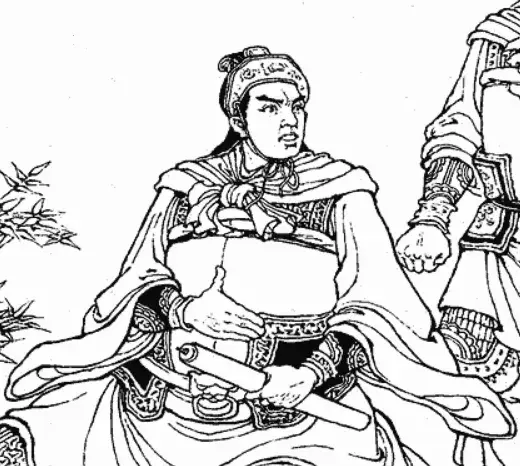
The Rebellion of Zhong Hui and Deng Ai (钟会邓艾之乱) was a major mutiny and power struggle occurring between 263 (the fourth year of the Jingyuan era of Wei) and 264 (the fifth year of the Jingyuan era of Wei) in Chengdu following Cao Wei's conquest of Shu Han, involving rival Wei commanders Zhong Hui and Deng Ai alongside surrendered Shu general Jiang Wei. In late 263, General Who Conquers the West Deng Ai executed an audacious traverse of the Yinping mountain route, capturing Jiangyou and Mianzhu to compel the surrender of Shu Emperor Liu Shan. However, Deng Ai's unilateral appointment of regional administrators alarmed regent Sima Zhao and aroused the intense jealousy of General Who Calms the West Zhong Hui. Collaborating with army supervisor Wei Guan, Zhong Hui framed Deng Ai for treason, prompting Sima Zhao to order Deng Ai's arrest in a cage cart. In early 264, Wei Guan arrested Deng Ai, leaving Zhong Hui in sole command of over one hundred thousand troops in Sichuan. Surrendered Shu commander Jiang Wei exploited Zhong Hui's soaring ambition, urging him to declare independence in Sichuan in hopes of resurrecting the fallen Han dynasty. Zhong Hui forged an edict from the deceased Empress Dowager Guo to march against Sima Zhao and interned non-compliant Wei officers. Imprisoned general Hu Lie smuggled fabricated warnings that Zhong Hui intended to slaughter all rank-and-file soldiers. Infuriated Wei garrisons stormed the provincial government palace; Zhong Hui and Jiang Wei were slain in fierce street battles, while Deng Ai was assassinated en route. The bloody mutiny removed all regional warlord threats, consolidating absolute authority under Sima Zhao.
Deng Ai traverses Yinping and captures Chengdu; his unilateral appointments antagonize Zhong Hui and Sima Zhao
Wei Guan arrests Deng Ai at dawn; Zhong Hui takes undivided command of over one hundred thousand troops in Sichuan
Zhong Hui allies with Jiang Wei, forges the Empress Dowager's edict to revolt against Sima Zhao, and detains northern commanders
Hu Lie's smuggled message sparks a massive mutiny; Zhong Hui and Jiang Wei die in street combat, and Deng Ai is assassinated
In the autumn of 263, Cao Wei paramount regent Sima Zhao mobilized 180,000 troops in a three-pronged campaign to extinguish Shu Han and consolidate his prestige for usurping the throne. While Zhong Hui led the central army of over one hundred thousand soldiers against the formidable bastion of Jiange, where he was deadlocked by Shu general Jiang Wei, Deng Ai spearheaded an elite contingent across seven hundred leagues of unmapped mountain precipices at Yinping. Deng Ai shattered the defenses at Mianzhu and advanced directly on Chengdu, compelling Liu Shan to surrender unconditionally.
Having secured the supreme glory of extinguishing an empire, Deng Ai succumbed to arrogance. Without awaiting imperial sanction, he unilaterally confirmed Liu Shan and former Shu officials in high administrative posts, and submitted memorials urging Sima Zhao to maintain large garrisons in Sichuan to build naval armadas for an invasion of Eastern Wu. Sima Zhao grew profoundly suspicious of Deng Ai's independent military posturing and ordered supervisor Wei Guan to restrain him.
Zhong Hui, hailing from the prestigious Yingchuan aristocratic clan, was exceptionally brilliant, calculating, and intensely ambitious. Recognizing Sima Zhao's chronic paranoia toward over-mighty commanders, Zhong Hui conspired with supervisor Wei Guan to submit clandestine memorials alleging that Deng Ai was harboring treasonous intentions and behaving like an autonomous sovereign.
Sima Zhao, while harboring misgivings about both generals, issued an imperial warrant commanding that Deng Ai be arrested in prisoner carts and transported to Luoyang. Simultaneously, Sima Zhao marched his main army to Chang'an, while dispatching Jia Chong into the Xie Valley to form a formidable encirclement around Sichuan.
In January 264 (the fifth year of Jingyuan), army supervisor Wei Guan arrived ahead of the main force in Chengdu. Knowing Deng Ai commanded extensive loyal retinues, Wei Guan avoided open confrontation; he secretly visited the various barracks at night, presenting Sima Zhao's credentials to reassure subordinate officers. At dawn, Wei Guan led a lightning strike into Deng Ai's private quarters, seizing the unsuspecting general and his son Deng Zhong and locking them into prisoner carts.
Deng Ai's subordinates dared not resist. Shortly thereafter, Zhong Hui entered Chengdu with his vast host, incorporating Deng Ai's forces and requisitioning all treasury stores. Now controlling over one hundred thousand troops across Sichuan, Zhong Hui's pride swelled. Fearing that returning to Luoyang would only result in his eventual purge by the Sima clan, he began actively plotting an independent kingdom in the west.
Though forced to surrender, Shu Han's supreme commander Jiang Wei remained fiercely devoted to his fallen state. Perceiving Zhong Hui's volatile vanity and reluctance to submit to Sima Zhao, Jiang Wei feigned subservient admiration, praising Zhong Hui as a peerless genius comparable to King Goujian of Yue and urging him to declare independence. Jiang Wei secretly sent a letter to Emperor Liu Shan: "I pray Your Majesty will endure humiliation for several days; your servant intends to make the endangered altars of state secure once more, and restore radiance to the sun and moon."
Zhong Hui eagerly embraced Jiang Wei's counsel, appointing him his top general. On January 15, taking advantage of mourning ceremonies for the late Empress Dowager Guo of Wei, Zhong Hui assembled high-ranking commanders, prefects, and cavalry captains at the provincial governor's palace. He produced a forged secret edict allegedly issued by the Empress Dowager commanding an armed expedition to overthrow Sima Zhao. When officers reacted with stunned refusal, Zhong Hui ordered dozens of senior commanders placed under armed house arrest.
Imprisoned commander Hu Lie ingeniously managed to smuggle a secret message to his former staff officers outside, fabricating a terrifying rumor that Zhong Hui had excavated enormous pits and prepared heavy bludgeons to massacre all officers and soldiers of the northern armies. The rumor ignited uncontrollable terror and rage among the troops.
At noon on January 18, Hu Lie's son Hu Yuan and supervisor Wei Guan coordinated external battalions, beating drums and advancing on the provincial palace under a barrage of flaming arrows. Deafening battle cries shook the city. Shocked by the uprising, Zhong Hui asked Jiang Wei how to proceed; Jiang Wei shouted, "We must strike back!" and charged into the courtyard, slaying several mutineers before collapsing under a hail of arrows. Zhong Hui was hacked down by mutinous soldiers amid the chaos, dying at the age of forty. Fearing that Deng Ai might survive to expose his complicity, Wei Guan dispatched officer Tian Xu to intercept the prisoner cart at Mianzhu, executing Deng Ai and his son.
The rebellion collapsed in catastrophic violence. Zhong Hui, Deng Ai, and Jiang Wei perished in the fighting. Extensive looting and atrocities engulfed Chengdu; Crown Prince Liu Xuan of Shu and the descendants of Guan Yu were killed in the chaos. Imperial garrisons rapidly restored order, ensuring Wei's complete pacification of Sichuan.
The Rebellion of Zhong Hui and Deng Ai was a monumental watershed in late Three Kingdoms politics. It extinguished the final hopes of Shu Han loyalists to resurrect their fallen realm. Concurrently, it eliminated the two most powerful, victorious field marshals of the realm whose military prestige might have challenged the Sima family. With all military authority undivided under Sima Zhao's direct command, the path was completely cleared for his son Sima Yan to depose the last Wei emperor and establish the Western Jin Dynasty in 265.