The Deep Jurchen Raid
Wanyan Zongbi invades Jiangnan; Emperor Gaozong flees to sea to avoid capture.
Southern Song Dynasty (南宋) · HISTORICAL EVENT
黄天荡之战
The Battle of Huangtiandang (黄天荡之战) occurred from the third to the fourth lunar months of 1130 AD (the fourth year of the Jianyan era of Song and the eighth year of Tianhui of Jin) along the lower reaches of the Yangtze River, representing a legendary naval interception wherein Song commander Han Shizhong besieged one hundred thousand retreating Jurchen invaders with only eight thousand marines. Earlier, Jin prince Wanyan Zongbi spearheaded a deep…
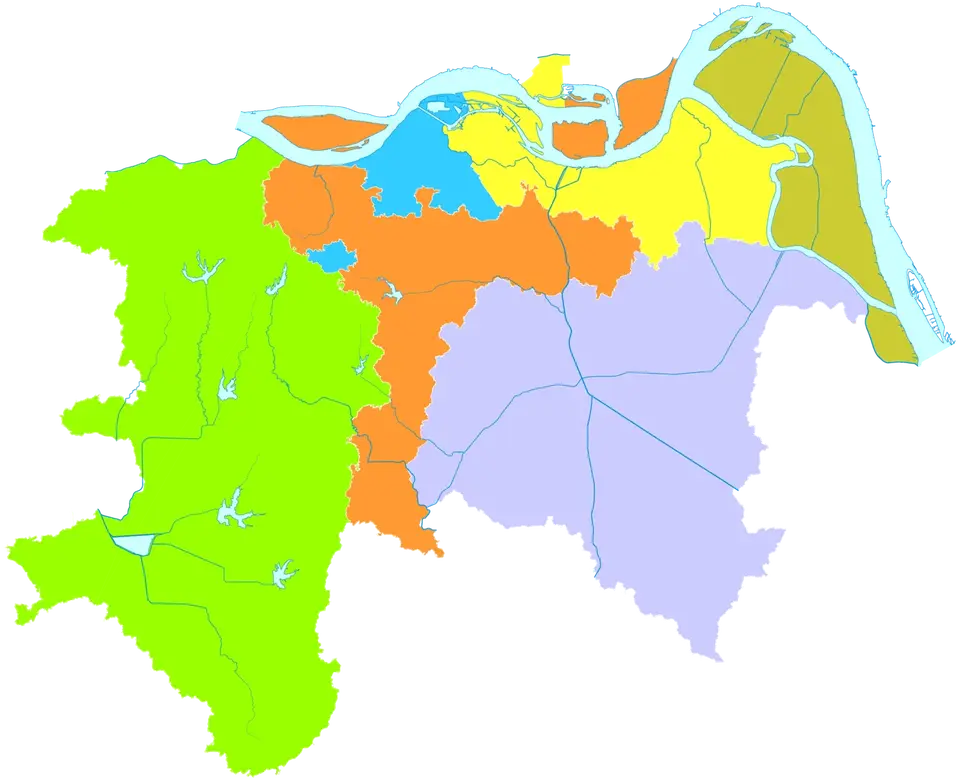
The Battle of Huangtiandang (黄天荡之战) occurred from the third to the fourth lunar months of 1130 AD (the fourth year of the Jianyan era of Song and the eighth year of Tianhui of Jin) along the lower reaches of the Yangtze River, representing a legendary naval interception wherein Song commander Han Shizhong besieged one hundred thousand retreating Jurchen invaders with only eight thousand marines. Earlier, Jin prince Wanyan Zongbi spearheaded a deep raid into Jiangnan hunting Emperor Gaozong. Harried by local militias and southern heat, Zongbi torched Lin'an and retreated northward laden with loot. Anticipating the crossing, Han Shizhong blockaded Zhenjiang with heavily fortified paddle-wheel warships while his wife Liang Hongyu beat war drums from the flagship pavilion. Crushed in initial clashes, the Jin armada retreated into Huangtiandang, a blind river bay. Han Shizhong sealed the mouth with iron chains and hooked pikes, trapping the host for forty-eight days. Guided by local collaborators, the Jin excavated an abandoned canal to the Qinhuai River and launched incendiary arrows against Song sails during a windless calm, allowing remnants to flee across the river. The battle shattered Jurchen invincibility and consolidated Southern Song's survival behind the Yangtze.
Wanyan Zongbi invades Jiangnan; Emperor Gaozong flees to sea to avoid capture.
Exhausted Jin armies torch Lin'an and withdraw northward toward the Yangtze.
Han Shizhong intercepts Jin ships at Jiaoshan; Liang Hongyu beats war drums to inspire victory.
The Jin host is bottled up in Huangtiandang lagoon for forty-eight days without supplies.
Jin forces dig out the Laoguan River canal and launch fire arrows on calm waters to escape across the river.
In the autumn of 1129 AD (the third year of Jianyan), Emperor Taizong of Jin launched an offensive aimed at extinguishing the Southern Song dynasty. He commanded fourth prince Wanyan Zongbi to lead premier Jurchen cavalry in a southern raid known historically as searching the mountains and scouring the seas to capture Zhao Gou. Advancing with rapid momentum, the Jurchen armies captured key Jiangnan bastions including Jiankang, Lin'an, Yuezhou, and Mingzhou.
Confronted with this advance, Emperor Gaozong abandoned the mainland and fled onto the sea, taking refuge aboard imperial flotillas cruising off Taizhou and Wenzhou. Zongbi dispatched naval forces to pursue the emperor, but storms and Song naval resistance thwarted their efforts. Simultaneously, operating within the dense river networks of Jiangnan, the Jurchen cavalry suffered constant ambushes from Song forces under Yue Fei and Zhang Jun, draining manpower and breaking logistical supply lines.
By the second lunar month of 1130, encountering seasonal rains, oppressive heat, and congregating loyalist armies, Wanyan Zongbi recognized that his overextended army risked being cut off from northern bases. Ordering a general withdrawal, the Jin troops set fire to Lin'an, rounded up tens of thousands of captive civilians, and amassed mountains of silk and silver, retreating northward toward the Yangtze River crossings.
While the Southern Song court was gripped by defeatism, Han Shizhong, Military Commissioner of Western Zhejiang, anticipated the enemy's trajectory. Stationing his elite marine force along the lower Yangtze, Han swore to intercept the invaders at the river crossing and avenge the dynastic humiliation of the Jingkang incident.
On the fifteenth day of the third lunar month of 1130, Wanyan Zongbi arrived at the mouth of the Yangtze near Zhenjiang with one hundred thousand infantry, horsemen, and river craft laden with spoils. Awaiting them across the Jiaoshan channel was Han Shizhong with eight thousand disciplined marines.
The naval engagement commenced near the river mouth. The Jurchen troops sailed in small, flat-bottomed river barges seized from local canals, which lacked stability against heavy swells. Conversely, Han Shizhong commanded massive, timber-reinforced sea warships known as Sea-Loach ships, which possessed towering ramparts and superior ramming power. During the clash, Han's wife Liang Hongyu donned full armor, ascended the central drum tower aboard the flagship, and beat the war drums with relentless fervor. Inspired by their commanders' valor, the eight thousand Song marines rammed through the Jurchen formations, splintering enemy skiffs and executing numerous Jurchen officers.
Following this devastating defeat, Wanyan Zongbi realized his cavalry was useless on water. He dispatched envoys to Han Shizhong offering to surrender all captured treasures, silks, and civilian captives, while promising gifts of thoroughbred warhorses in exchange for unhindered passage across the Yangtze. Han Shizhong indignantly rejected the compromise, demanding the return of captured Emperors Huizong and Qinzong alongside the restoration of lost northern territories.
Rebuffed, Zongbi took advantage of nighttime darkness to slip his surviving fleet westward upstream toward Jiankang, pursued closely by Han Shizhong. Ignorant of local geography, the panic-stricken Jin flotilla veered into Huangtiandang, an enclosed body of water twenty miles northeast of Jiankang. Huangtiandang was a dead-end lagoon with only a single narrow opening to the Yangtze, surrounded by marshes and reeds. Recognizing that the enemy was trapped, Han Shizhong positioned his fleet across the entrance, stretching massive iron chains across the channel and using long hooked grapnels to overturn and sink any Jin craft attempting escape. For forty-eight days, one hundred thousand Jurchen soldiers were pinned within the lagoon without supplies, reduced to slaughtering their cavalry chargers for sustenance.
Facing starvation and total annihilation, Wanyan Zongbi was rescued by a turncoat from Jiankang. The collaborator revealed the existence of the silted Laoguan River canal bed, which extended ten miles westward into the Qinhuai River and reconnected with the Yangtze. Zongbi mobilized his troops to dig out the channel through the night. By daybreak, the Jin craft broke through the canal into the open river near Swallow Rock.
Alerted to the escape, Han Shizhong sailed his fleet downstream to seal off the river once more. At this juncture, another collaborator advised Zongbi to stabilize his light barges by packing their hulls with earth, and to wait for a windless calm to launch fire arrows against the fabric sails of the Song warships. On the twenty-fifth day of the fourth lunar month, the river fell calm and motionless. Deprived of wind, Han Shizhong's ponderous sea vessels lost all maneuverability. Seizing the moment, the Jin barges swarmed forward, discharging thousands of incendiary arrows that ignited the dry sails and wooden rigging of the Song ships. As fire swept through the fleet, Song commander Chen Sigong fell in combat. Han Shizhong rallied his surviving crews, fought through the smoke, and withdrew to Zhenjiang, while Wanyan Zongbi's battered host crossed the river in disarray and fled northward.
The Battle of Huangtiandang marked a vital psychological turning point in the early Song-Jin wars. By utilizing eight thousand marines to bottle up one hundred thousand premier Jurchen troops for forty-eight days, Han Shizhong shattered the aura of absolute battlefield supremacy cultivated by the northern cavalry since the fall of Kaifeng. The heavy casualties and humiliation suffered at Huangtiandang permanently cured the Jurchen nobility of the belief that southern conquest could be accomplished through rapid cavalry raids.
The encounter demonstrated the supremacy of Song naval technology and validated the defensive utility of the Yangtze River. The Jin dynasty never again launched deep incursions across the river into the southern heartland, restricting future warfare to the Huai and Yangtze corridors. The security established by this naval defense provided the Southern Song monarchy the indispensable territorial breathing room needed to consolidate its capital at Lin'an, shaping the long-term geopolitical partition between northern and southern dynasties.