Uprising at Qingcheng
Wang Xiaobo proclaims Equalizing Wealth, storms Qingcheng, and executes Magistrate Qi
· HISTORICAL EVENT
王小波李顺起义
The Rebellion of Wang Xiaobo and Li Shun (王小波李顺起义) was an influential peasant insurrection that convulsed the Sichuan basin from 993 to 995 during the reign of Emperor Taizong of the Northern Song dynasty. Following the Song conquest of the Later Shu kingdom, imperial authorities subjected Sichuan to relentless economic extraction, monopolizing the regional tea, silk, and cloth trades through state procurement agencies while local grandees bound…
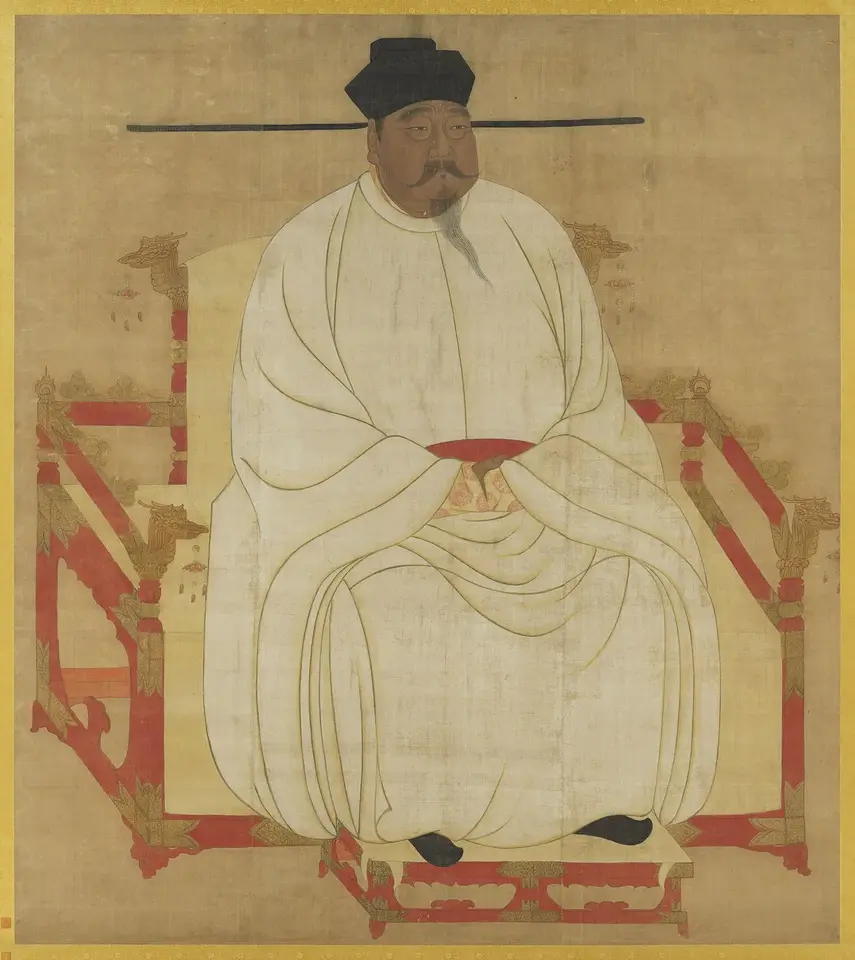
The Rebellion of Wang Xiaobo and Li Shun (王小波李顺起义) was an influential peasant insurrection that convulsed the Sichuan basin from 993 to 995 during the reign of Emperor Taizong of the Northern Song dynasty. Following the Song conquest of the Later Shu kingdom, imperial authorities subjected Sichuan to relentless economic extraction, monopolizing the regional tea, silk, and cloth trades through state procurement agencies while local grandees bound impoverished tenants into hereditary servitude. In the spring of 993, a devastating drought plunged the region into catastrophic famine while corrupt officials continued brutal tax extractions. In response, Qingcheng tea planter Wang Xiaobo rallied impoverished cultivators, proclaiming for the first time in Chinese history the revolutionary doctrine: "I hate inequality between rich and poor; now I shall equalize it for you." The rebels executed the venal magistrate Qi Yuanzhen and opened government granaries to feed starving commoners, swelling into an army of tens of thousands. After Wang died in combat at Jiangyuan, his brother-in-law Li Shun assumed command, storming Chengdu in early 994 and establishing the Great Shu kingdom under the era name Yingyun. Alarmed by the loss of the southwest, Emperor Taizong dispatched eunuch general Wang Ji'en with elite imperial guards to launch a pincer offensive. Despite desperate street fighting in Chengdu and prolonged resistance along the Yangtze gorges led by Zhang Yu, the rebellion was crushed, but its egalitarian ideals profoundly influenced Chinese peasant movements for centuries.
Wang Xiaobo proclaims Equalizing Wealth, storms Qingcheng, and executes Magistrate Qi
Wang Xiaobo slays Song commander Qi Zhong at Jiangyuan but dies of wounds; Li Shun takes command
Li Shun takes Chengdu, founds the Great Shu kingdom, adopts the Yingyun era, and rules as king
Emperor Taizong dispatches Wang Ji'en; Song imperial forces breach the natural barrier of Jianmen Pass
Wang Ji'en storms Chengdu; thirty thousand rebels die in street combat, and Li Shun's fate becomes a legend
Zhang Yu leads surviving rebel forces eastward, capturing Yangtze cities and besieging Kuizhou
Imperial forces defeat Zhang Yu at Kuizhou; Zhang is captured and executed, bringing the rebellion to a close
Event Name: Rebellion of Wang Xiaobo and Li Shun (王小波李顺起义); Alternative Name: Chunhua Sichuan Uprising (淳化川蜀起义), Uprising of Li Shun and Wang Xiaobo (李顺王小波起义); Event Type: Agrarian Peasant Rebellion (农民武装起义); Dynasty: Northern Song (北宋); Location: Qingcheng, Chengdu, and Chuanxia Circuits (Modern Sichuan and Chongqing); Time Period: February 993 (Fourth Year of Chunhua) - February 995 (First Year of Zhidao); Parties Involved: Sichuan Rebel Peasants and Tea Planters (Great Shu Kingdom), Northern Song Imperial Forces; Key Figures: Wang Xiaobo, Li Shun, Zhang Yu, Qi Yuanzhen, Emperor Taizong of Song, Wang Ji'en, Zhang Yong; Cause: Harsh state monopolization of silk and tea, extreme land concentration and servitude, exacerbated by the severe drought and famine of 993; Outcome: Rebels captured Chengdu and established the Great Shu regime before being suppressed by overwhelming imperial expeditionary forces; Impact: First uprising in Chinese history to proclaim the slogan of Equalizing Wealth, compelling the Song dynasty to ease taxation and reform Sichuan administration;
Throughout the Five Dynasties period, the fertile Sichuan basin remained insulated from the devastation of the Huang Chao Rebellion, allowing entrenched aristocratic lineages and wealthy landlords to preserve their vast private estates intact. Agrarian landlords subjected masses of landless tenants, known as panghu, to semi-servile bondage across generations, transferring all imperial corvee and tax obligations onto their shoulders. Following the Song dynasty's annexation of Later Shu in 965, imperial treasuries stripped the provincial vaults of millions of bolts of silk, transferring regional wealth to Kaifeng. Furthermore, the Song court established state trade monopolies over silk, ramie, and tea, legally barring private commerce and compelling cultivators to sell commodities to official bureaus at depressed fixed prices. These mercantilist extractions pushed rural households to economic ruin.
In the spring of 993, the fourth year of the Chunhua era, an unprecedented drought parched the Sichuan plains, withering crops and driving grain prices beyond common reach. Despite widespread starvation, Song prefectural officials and county magistrates enforced tax collections with unforgiving severity. In Qingcheng county, Magistrate Qi Yuanzhen accumulated private fortunes through torture and illegal confiscations, sparking boiling indignation. Recognizing that structural disparity between wealthy hoarders and starving producers was the root of popular suffering, tea farmer Wang Xiaobo resolved to launch an armed insurrection, rallying the rural population with the immortal proclamation: "I hate inequality between rich and poor; now I shall equalize it for you!" This egalitarian appeal galvanized the disenfranchised masses, uniting peasants, tenant laborers, and destitute artisans into a formidable insurgent army.
In the second month of 993, Wang Xiaobo, accompanied by his brother-in-law Li Shun and several dozen impoverished tea growers, raised the standard of rebellion in the mountains of Qingcheng. Armed with farming scythes, hunting spears, and wooden staves, the insurgents launched a swift assault against the Qingcheng county yamen, storming the palisades and capturing Magistrate Qi Yuanzhen. Wang Xiaobo publicly denounced Qi's extortionate crimes before executing him in the market square. The rebels seized the county treasury and Qi's private hoard, distributing tens of thousands of bolts of silk and mountains of stored grain to starving families across the district.
The fall of Qingcheng ignited the countryside. Wang Xiaobo enforced strict martial discipline, ordering his fighters to protect impoverished peasants while confiscating the wealth of corrupt officials and tyrannical landlords. Desperate tenants and dislocated vagrants flocked to his banners, swelling the ranks to tens of thousands within weeks. The rebel host advanced across western Sichuan, capturing Qiongzhou and Shuzhou. In the twelfth month of 993, the rebels engaged Song government forces under Patrol Commander Qi Zhong at Jiangyuan. Wang Xiaobo spearheaded the frontal charge, slaying Qi Zhong with his own blade, but was struck in the forehead by an arrow, succumbing to his wounds shortly after the battle.
Following Wang Xiaobo's martyrdom, the insurgent army unanimously elected his brother-in-law, Li Shun, as supreme commander. Possessing exceptional tactical intellect, Li Shun renewed the pledge to equalize wealth and streamlined troop organization. After crushing remaining imperial garrisons in Jiangyuan, Li Shun launched a multi-pronged winter campaign across the Chengdu plain.
In the first month of 994, Li Shun captured Hanzhou and Pengzhou before converging upon the provincial capital of Chengdu with tens of thousands of fighters. Having covertly positioned infiltrators within the city gates, the insurgents launched a coordinated nighttime assault on the sixteenth day of the first month. Prefect Guo Zai and the imperial circuit intendants panicked, abandoning their posts and lowering themselves down the eastern city walls with ropes to flee eastward. Entering Chengdu amidst popular jubilation, Li Shun executed collaborating gentry, opened the provincial treasuries to distribute bullion and silk to ordinary households, and established order across the metropolis.
Following the conquest of Chengdu, Li Shun formally established an autonomous regional dynasty named the Great Shu, declaring the era name Yingyun and assuming the title King of Great Shu. The new regime instituted executive ministries, created a chancellorate, minted Yingyun copper coinage, established emergency granaries to relieve drought victims, and appointed surrendered officials to administrative posts. By executing recalcitrant landlords and redistributing arable holdings to landless tenants, the Great Shu regime won universal loyalty across the Sichuan basin, expanding its fighting forces to over three hundred thousand men.
To break anticipated imperial counter-offensives, Li Shun deployed four expeditionary armies: one column marched north toward Jianmen Pass to sever the primary military road from Shaanxi; a second column marched south to secure Jiazhou and Rongzhou; a third advanced east against Zizhou; and a fourth naval division under General Zhang Yu navigated the Yangtze River toward Kuizhou to secure the Three Gorges gateway. However, rebel forces stalled before the formidable defenses of Jianmen Pass and Zizhou, failing to seal the mountain gateways before Song regular legions arrived.
Upon learning of Chengdu's capture and the proclamation of an independent kingdom, Emperor Taizong dispatched his trusted confident, Palace Commissioner Wang Ji'en, as Pacification Commissioner for Jiannan, accompanied by General Ma Zhijie and tens of thousands of elite imperial cavalry and infantry. Concurrently, the emperor appointed senior statesman Zhang Yong as Prefect of Yizhou to coordinate administrative pacification.
In the third month of 994, imperial forces breached the natural citadel of Jianmen Pass, sweeping southward onto the Chengdu plain. Although rebel detachments resisted fiercely at Mianzhou and Hanzhou, their lack of armored cavalry and formal siege gear led to consecutive tactical reversals. In the fifth month, Wang Ji'en's army completely surrounded Chengdu. Li Shun directed a heroic defense, raining boulders and heavy arrows onto the besiegers. On the sixth day of the fifth month, imperial forces deployed heavy assault towers and battering rams, scaling the northwestern ramparts after setting the battlements ablaze. Furious hand-to-hand combat engulfed every avenue, with over thirty thousand rebel fighters dying in street combat before the city fell. Li Shun's ultimate fate became a legendary enigma: while official dynastic histories claimed he was killed in the fray, folk accounts and contemporary records maintained that he shaved his head, disguised himself as a Buddhist monk, and escaped south to Guangzhou.
The fall of Chengdu did not extinguish the rebellion. Along the middle Yangtze, rebel commander Zhang Yu rallied tens of thousands of fighters, mounting a vigorous naval offensive. Zhang Yu captured Jiazhou, Rongzhou, Luzhou, Fuzhou, and Zhongzhou, severing imperial communications and laying siege to the strategic fortress of Kuizhou. Operating from river barges and land positions, the insurgents bombarded Kuizhou with heavy catapults, threatening Song transport along the Yangtze.
Emperor Taizong ordered converging attacks from Hubei and Sichuan to rescue the gorge defenses. In early 995, imperial general Bai Wenbao led an armored fleet upriver, executing a coordinated pincer strike alongside Kuizhou garrison troops. Surrounded and deprived of provisions, Zhang Yu's forces were overwhelmed after days of intense fighting; Zhang Yu was captured and subsequently executed in Jiazhou. Pockets of rebel guerrillas under Wang Juan continued fighting in remote mountain valleys until late 995, when the two-year rebellion was finally extinguished.
The uprising was ultimately suppressed by Northern Song regular armies after two years of bitter warfare. Leaders Wang Xiaobo and Zhang Yu were killed, Li Shun vanished from the historical record, and tens of thousands of insurgent fighters fell in combat, terminating the Great Shu regime. However, the rebellion inflicted immense casualties on imperial armies and paralyzed provincial governance across southwestern China. Following the restoration of order, Prefect Zhang Yong purged corrupt magistrates, eliminated compulsory state cloth levies, and reformed regional trade policies.
The rebellion occupies a monumental position in Chinese socio-economic history and peasant warfare. Wang Xiaobo's declaration, "I hate inequality between rich and poor; now I shall equalize it for you," marked the first time in Chinese history that an agrarian movement progressed beyond condemning corrupt rulers to directly challenge structural property inequalities and land concentration. This doctrine served as the direct intellectual forebear of subsequent medieval and early modern peasant uprisings, including the Zhong Xiang and Yang Yao movement during the Southern Song. Furthermore, the economic devastation and trade paralysis caused by the rebellion catalyzed the creation of Jiaozi, the world's earliest state-recognized paper currency, pioneered by Sichuan merchants and certified by Prefect Zhang Yong to facilitate post-war economic reconstruction.