Piracy Pacified
Imperial generals suppress coastal piracy, intensifying calls from provincial officials to restore open maritime commerce.
Ming Dynasty (明朝) · HISTORICAL EVENT
隆庆开关
The Longqing Opening (隆庆开关) occurred in 1567 (the first year of the Longqing era under Emperor Muzong), marking a landmark transformation in Ming foreign economic policy whereby the imperial court officially repealed the comprehensive maritime trade prohibition and designated Yuegang in Zhangzhou, Fujian, as a lawful commercial outlet for private merchants. Early Ming founder Zhu Yuanzhang had instituted an absolute maritime ban (haijin),…
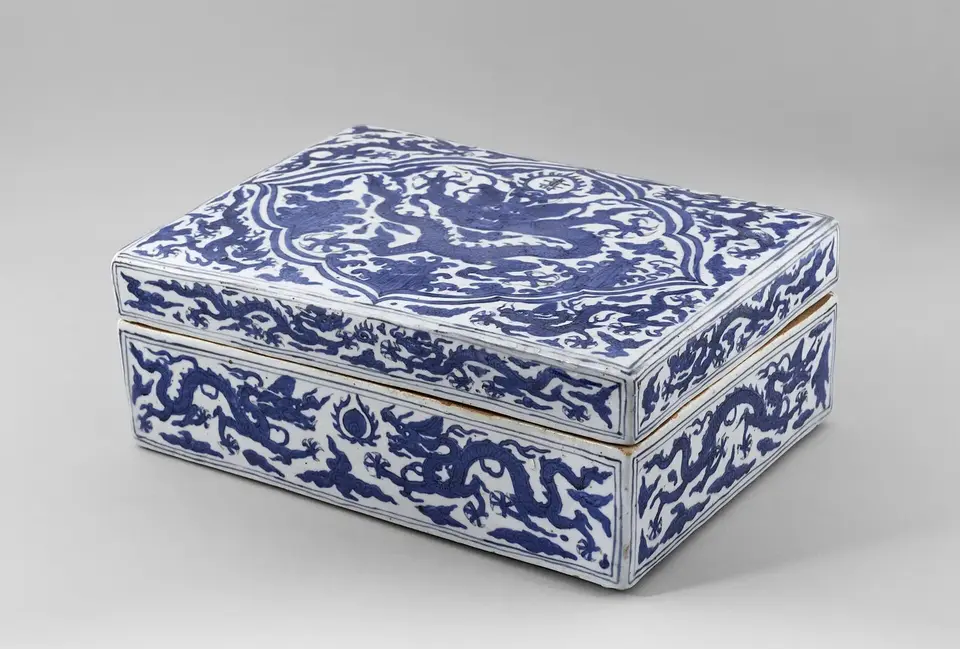
The Longqing Opening (隆庆开关) occurred in 1567 (the first year of the Longqing era under Emperor Muzong), marking a landmark transformation in Ming foreign economic policy whereby the imperial court officially repealed the comprehensive maritime trade prohibition and designated Yuegang in Zhangzhou, Fujian, as a lawful commercial outlet for private merchants. Early Ming founder Zhu Yuanzhang had instituted an absolute maritime ban (haijin), restricting all external exchange to official tributary missions. By the mid-sixteenth century, burgeoning handicraft industries throughout southern China clashed directly with administrative interdictions, triggering violent smuggling networks that culminated in the devastating Jiajing Wokou raids. Following the pacification of piratical violence, newly appointed Fujian Grand Coordinator Tu Zemin memorialized the throne, urging pragmatic maritime liberalization to stabilize coastal livelihoods and augment state treasuries. Emperor Muzong approved the measure, authorizing the issuance of commercial licenses and establishing customs levies. This reform dismantled nearly two centuries of isolationist policy, stimulated dynamic private seafaring networks across Southeast Asia, and precipitated a massive influx of American and Japanese silver, decisively shaping late Ming fiscal reforms and commercial monetization.
Imperial generals suppress coastal piracy, intensifying calls from provincial officials to restore open maritime commerce.
Emperor Muzong assumes power, inaugurating political and economic reforms aimed at easing public burdens.
Fujian Grand Coordinator Tu Zemin formally submits his petition to permit commercial trade across the Eastern and Western Oceans.
The throne decrees the relaxation of the maritime ban and opens Yuegang in Haicheng as an authorized commercial port.
The Haicheng Maritime Tax Office achieves administrative maturity, establishing Yuegang as the premier maritime emporium of southeastern China.
During the founding years of the Ming dynasty, Emperor Zhu Yuanzhang promulgated strict maritime injunctions forbidding private vessels from navigating the open seas to prevent alliances between maritime dissidents and coastal renegades. Foreign commerce was strictly monopolized by the state through tributary missions. By the mid-sixteenth century, however, sericulture, porcelain manufacturing, and tea cultivation flourished across Jiangnan and southeastern coastal regions, fueling urgent domestic and foreign trade demands. The court's rigid enforcement of the maritime embargo disrupted merchant livelihoods, driving coastal populations into illegal armed contraband operations and sparking the protracted Jiajing Wokou crisis.
During counter-piracy campaigns, military leaders and local administrators such as Hu Zongxian, Qi Jiguang, and Yu Dayou recognized that economic suppression was counterproductive: when trade flowed legally, pirates reverted to merchants, whereas when commerce was blocked, merchants were driven to piracy. Enforcing maritime interdictions consumed exorbitant military funding without extinguishing clandestine seafaring. With the substantial pacification of piracy along the southeastern seaboard by the late Jiajing era, regional gentry and reform-minded officials repeatedly petitioned the court to relax bans and legalize maritime commerce.
In the first month of 1567, Emperor Muzong ascended the throne and inaugurated the Longqing reign. The imperial court embraced a climate of administrative pragmatism, supported by senior Grand Secretaries Gao Gong and Zhang Juzheng. In that same year, Tu Zemin, the newly appointed Right Assistant Censor-in-Chief and Grand Coordinator of Fujian, conducted on-site investigations into coastal economic conditions and submitted a comprehensive memorial requesting permission for private merchants to trade across the Eastern and Western Oceans. Tu Zemin argued that Yuegang occupied a rugged terrain with scarce farmland where inhabitants depended on seafaring. Rather than expending vast treasury resources to enforce ineffective bans that forced honest folk into outlawry, the state should legalize regulated commercial ventures, thereby sustaining maritime populations and replenishing public revenues through regular tariff collection.
Tu Zemin's memorial was reviewed by the Ministry of Revenue and received full endorsement from Emperor Muzong. The emperor decreed the relaxation of the maritime ban and officially authorized Yuegang in Haicheng County, Zhangzhou, as the sole licensed port for private overseas commerce. To ensure administrative supervision and tax management, the Ming government established Haicheng County and set up the Maritime Tax Office (Duxiangguan), dispatching dedicated officials to oversee inspections and customs collection.
The court instituted a rigorous regulatory framework based on commercial permits (chuan-yin) and outward-bound voyages. Fujianese merchant ships were required to verify their community registration and cargo manifests with local magistracies before receiving official permits upon paying license fees. Each license stipulated departure destinations and fixed return schedules, authorizing voyages toward the Eastern Ocean (such as Luzon in the Philippines) and the Western Ocean (Indochina and the Indonesian archipelago). Crucially, the export of strategic materials—including sulfur, saltpeter, copper, military weaponry, and certain raw silks—remained strictly forbidden. Upon their return, merchant vessels paid tonnage and import duties known as sea taxes (shuixiang) and land taxes (luxiang). This regulatory balance maintained coastal security while granting private overseas enterprise lawful scope.
The Longqing Opening conferred official legitimacy upon southeastern private maritime trade. Centered at Yuegang, commercial networks rapidly expanded throughout Southeast Asian entrepôts. Yuegang transformed from a secluded inlet into a bustling metropolis known as the "Metropolis of Southern Fujian," while municipal tariffs collected by the Maritime Tax Office steadily increased, replenishing provincial coffers and funding regional coast guard garrisons.
The Longqing Opening exerted a transformative influence on Chinese economic history and early modern global trade. The legalization of Yuegang integrated the Ming empire deeply into the emerging global oceanic trading system. Chinese silk, porcelain, and tea were exchanged through the Manila Galleon trade for vast quantities of silver extracted from Spanish America and Japanese mines. The massive inflow of foreign bullion cured severe domestic currency shortages, established silver as the de facto nationwide monetary standard, and provided the indispensable macroeconomic conditions for Zhang Juzheng's nationwide implementation of the Single Whip Law (Yitiaobian Fa).