Accession and Exoneration of Yue Fei
Emperor Xiaozong ascends the throne, rehabilitates Yue Fei, and appoints Zhang Jun to organize the northern campaign
Southern Song Dynasty (南宋) · HISTORICAL EVENT
隆兴北伐
The Longxing Northern Expedition (隆兴北伐) was a major strategic offensive launched in the summer of 1163 (the first year of the Longxing era of Song and the third year of the Dading era of Jin), wherein newly enthroned Emperor Xiaozong (Zhao Shen) mobilized armed forces to reclaim the lost Central Plains and reverse the humilities of the Jurchen Jin conquests. Ascending the throne following the abdication of Emperor Gaozong in 1162, Emperor Xiaozong…
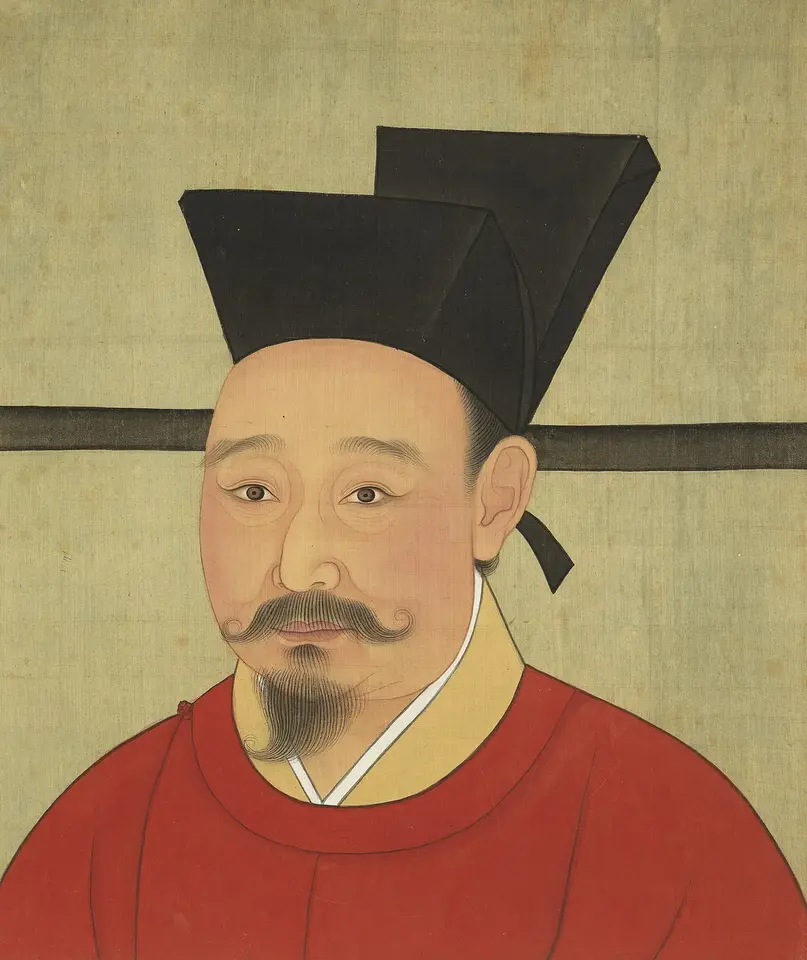
The Longxing Northern Expedition (隆兴北伐) was a major strategic offensive launched in the summer of 1163 (the first year of the Longxing era of Song and the third year of the Dading era of Jin), wherein newly enthroned Emperor Xiaozong (Zhao Shen) mobilized armed forces to reclaim the lost Central Plains and reverse the humilities of the Jurchen Jin conquests. Ascending the throne following the abdication of Emperor Gaozong in 1162, Emperor Xiaozong resolved to restore Song rule across northern China, rehabilitating the martyred hero Yue Fei and appointing veteran strategist Zhang Jun to direct military operations. Seeking to strike while Emperor Shizong of Jin was consolidating power following the Khitan uprisings, Xiaozong bypassed cautious prime minister Shi Hao, ordering generals Li Xianzhong and Shao Hongyuan to cross the Huai River. Song vanguard forces achieved swift initial success, seizing Lingbi and Hongxian before capturing the strategic fortress of Suzhou. However, victory immediately ignited toxic command rivalries. Shao Hongyuan resented Li Xianzhong's superior laurels, while unequal reward distributions bred resentment among the rank and file. When Jin field marshal Heshile Zhining launched a counter-offensive with heavy cavalry, Li Xianzhong fought unsupported beneath the walls as Shao refused to deploy reinforcements. Forced into a nocturnal retreat, the Song columns disintegrated into chaos at Fuli on May 21, abandoning baggage trains and weapons amidst a stampede. The debacle forced Xiaozong to abandon offensive warfare and accept the Treaty of Longxing in 1164.
Emperor Xiaozong ascends the throne, rehabilitates Yue Fei, and appoints Zhang Jun to organize the northern campaign
Xiaozong bypasses Prime Minister Shi Hao, directing Li Xianzhong and Shao Hongyuan across the Huai River
Song forces seize Lingbi, accept the surrender of Hongxian, and storm the fortress of Suzhou
Command friction erupts; Heshile Zhining counter-attacks, and Shao Hongyuan refuses to reinforce Li Xianzhong
Retreating Song units stampede at Fuli, suffering devastating losses and abandoning all military materiel
In 1162 (the thirty-second year of Shaoxing), Emperor Gaozong abdicated the imperial dignity to his adopted son, Zhao Shen, who ascended as Emperor Xiaozong. Unlike the cautious and appeasement-minded Gaozong, the youthful Xiaozong possessed a resolute martial spirit, regarding the liberation of the ancestral homelands and the restoration of Song prestige as his sacred mission.
Within months of his coronation, Xiaozong issued an imperial decree completely exonerating General Yue Fei, who had been executed during the Shaoxing negotiations, posthumously restoring his ranks and reburying him with state honors. The emperor appointed senior statesman Zhang Jun as Commissioner of Military Affairs and Supreme Commander of Jianghuai Armies, charging him with overhauling frontier defenses and assembling divisions for an imminent northern advance.
Across the border, the Jurchen Jin Empire was reeling from the catastrophic demise of Prince Hailing (Wanyan Liang) at the Battle of Caishi and subsequent palace coups. The newly installed Jin sovereign, Emperor Shizong (Wanyan Yong), was preoccupied with pacifying domestic factions and suppressing a widespread insurrection mounted by Khitan tribal banners in the north.
Sensing a fleeting window of strategic vulnerability, Xiaozong and Zhang Jun argued that Jin garrisons along the Huai River were unprepared for a sudden thrust. Overruling the strong objections of Prime Minister Shi Hao and the Retired Emperor Gaozong, who cautioned that logistical preparations were incomplete, Xiaozong bypassed cabinet protocols and issued personal imperial mandates commanding Li Xianzhong and Shao Hongyuan to initiate a simultaneous crossing of the Huai River.
In May 1163 (first year of Longxing), the northern expeditionary columns advanced across the Huai River. Imperial Vanguard Commander Li Xianzhong marched from Chuzhou toward Lingbi, while Commander Shao Hongyuan advanced from Hezhou toward Hongxian.
Early operations proceeded with remarkable speed. Li Xianzhong stormed the fortifications of Lingbi, forcing the Jurchen garrison to surrender. Concurrently, Shao Hongyuan invested Hongxian; Li sent surrendered officers from Lingbi to parley, persuading the Hongxian defenders to open their gates. Uniting their divisions, both commanders closed in on the northern stronghold of Suzhou (modern Suzhou, Anhui). Li Xianzhong personally directed the escalade assault, breaching the masonry ramparts in furious hand-to-hand combat and slaying the Jin garrison commander. Welcoming the Song armies, Chinese inhabitants brought wine and provisions, creating an initial aura of triumph.
However, deep-seated friction between the two commanders fractured the expedition. Shao Hongyuan harbored intense bitterness that Li Xianzhong had received the primary credit for both Hongxian and Suzhou. Furthermore, Li distributed captured treasury silver almost exclusively to his own shock troops and surrendered Jurchen mercenaries, alienating Shao's soldiers.
Shao actively sabotaged military discipline, openly remarking to his officers: "In this sweltering heat, one can barely endure even fanning oneself indoors; why should we shed blood under the burning sun to enrich others?" Hearing of this discord, Jin Left Vice-Marshal Heshile Zhining converged on Suzhou with tens of thousands of armored Jurchen cavalry. Li Xianzhong deployed outside the city, repelling multiple cavalry charges in desperate combat. Running low on ammunition, Li sent couriers pleading for Shao's divisions to strike the enemy flank; Shao shut his palisades and refused to deploy a single man. Deprived of support, Li was forced to order a general withdrawal at nightfall.
The retreat rapidly degenerated into catastrophe. On May 21, as the disordered columns reached Fuli (modern Fuliji, north of Suzhou), Jin light cavalry caught up with the rearguard.
Shao Hongyuan's undisciplined units panicked and broke without offering battle, stampeding into Li's retreating formations. The retreat instantly dissolved into a complete rout under the sweeping charges of Jurchen horsemen. Discarding armor, provisions, siege equipment, and divine-arm crossbows (Shenbi Gong), tens of thousands of soldiers were cut down or drowned in swollen rivers. The primary strike force of the expedition was obliterated in what became known as the "Rout of Fuli." Supreme Commander Zhang Jun rushed to the front, rallying merely twenty thousand surviving troops to establish a rearguard defense along the Huai River.
The Longxing Northern Expedition collapsed in the total defeat of the Southern Song field armies. Thousands of veteran troops were killed or captured, massive stocks of siege weapons and archery armaments were lost, and newly conquered territories north of the Huai River reverted to Jin control within days.
The campaign decisively shaped Southern Song's geopolitical posture. The trauma of the Rout of Fuli extinguished Emperor Xiaozong's confidence in military reconquest, proving that Southern Song infantry could not match Jurchen heavy cavalry in open terrain without iron discipline and united leadership. Pro-war elements were purged, and Zhang Jun was disgraced. The subsequent advance of Jin forces toward the Huai compelled the Song court to sue for peace, leading directly to the Treaty of Longxing in 1164. Under this treaty, the diplomatic relationship was readjusted from lord-vassal to uncle-nephew, establishing a forty-year period of stable military coexistence along the Huai River.