Accession of Emperor Gaozong
Emperor Taizong dies; Li Zhi succeeds to the throne under the regency of Zhangsun Wuji and Chu Suiliang.
Tang Dynasty (唐朝) · HISTORICAL EVENT
永徽之治
The Rule of Yonghui (永徽之治) was a golden age during the early reign of Emperor Gaozong (Li Zhi) of the Tang dynasty. In the twenty-third year of the Zhenguan era (649), Emperor Taizong passed away, and Prince Li Zhi ascended the throne, adopting the Yonghui era title the following year. Assisted by veteran regents Zhangsun Wuji, Chu Suiliang, and Li Ji, Emperor Gaozong faithfully observed his father's final instructions. He halted protracted military…
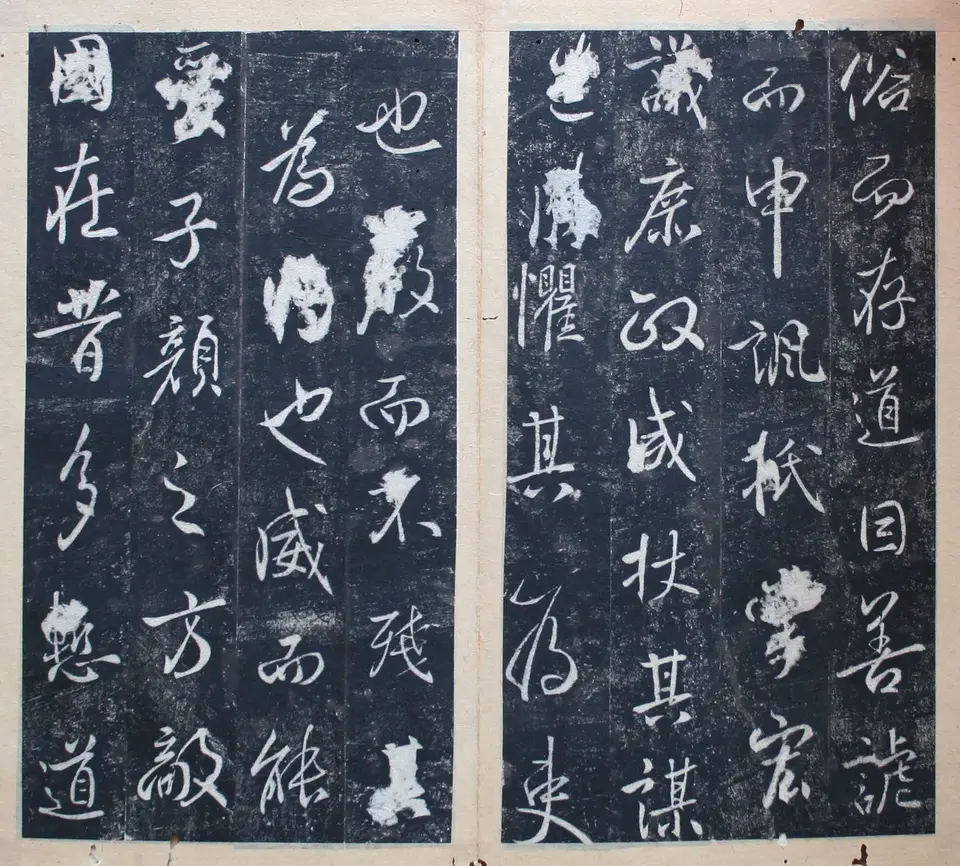
The Rule of Yonghui (永徽之治) was a golden age during the early reign of Emperor Gaozong (Li Zhi) of the Tang dynasty. In the twenty-third year of the Zhenguan era (649), Emperor Taizong passed away, and Prince Li Zhi ascended the throne, adopting the Yonghui era title the following year. Assisted by veteran regents Zhangsun Wuji, Chu Suiliang, and Li Ji, Emperor Gaozong faithfully observed his father's final instructions. He halted protracted military expeditions against Goguryeo, terminated massive imperial palace construction projects, and devoted himself to daily administrative audiences, inspiring historians to record that "the beginning of Yonghui preserved the venerable legacy of Zhenguan." During the Yonghui years, the imperial court promulgated the thirty-volume Yonghui Lu Shu (Code of Tang with Sub-commentaries), the foundational masterpiece of the Chinese legal tradition. Domestically, registered households climbed to more than 3.8 million, granaries brimmed with grain, and society prospered. Externally, imperial generals captured the Chebi Qaghan of the Northern Turks and stabilized the Western Regions. The governance of Yonghui firmly anchored the dynastic foundation and propelled the Tang Empire toward its civilizational apex.
Emperor Taizong dies; Li Zhi succeeds to the throne under the regency of Zhangsun Wuji and Chu Suiliang.
The Yonghui era begins; Gao Kan captures Chebi Qaghan in the northern deserts and restores frontier tranquility.
Zhangsun Wuji presents the revised 500-article Yonghui Code, establishing streamlined penal statutes.
Emperor Gaozong orders nineteen senior jurists to compose comprehensive textual commentaries for each code statute.
The thirty-volume Yonghui Lu Shu is promulgated; the Fang Yiai conspiracy is uncovered and suppressed.
Cheng Zhijie and Su Dingfang launch an expedition against the Western Turks, rounding out the prosperous era of Yonghui.
During the latter years of Emperor Taizong's reign, despite the triumph of the Reign of Zhenguan, repeated military campaigns against Goguryeo and the construction of elaborate retreat villas such as Cuiwei and Yuhua placed substantial burdens upon the populace. Peasant corvee levies multiplied across the Yellow River and Huai basins, creating emergent economic strains. On his deathbed, Emperor Taizong recognized these domestic strains and earnestly instructed Crown Prince Li Zhi to suspend warfare, prioritize economic recovery, and avoid exhausting national strength like the fallen Sui dynasty.
After removing Crown Prince Li Chengqian and downgrading Prince Li Tai, Emperor Taizong selected the benevolent and filially devoted Li Zhi as his successor. He entrusted the government to a regency council headed by imperial uncle Zhangsun Wuji and Secretariat Director Chu Suiliang, while entrusting military affairs to General Li Ji. Enjoying immense prestige across the bureaucracy, Zhangsun Wuji's stewardship ensured a smooth transition of imperial power and afforded the young monarch an exceptionally stable political platform.
In the sixth month of 649, Emperor Gaozong ascended the throne. Honoring his father's memory, he reformed the ancestral court audience schedule from every three days to a mandatory daily audience, personally conferring every morning with Chancellors and ministry heads from the Department of State Affairs, Chancellery, and Secretariat. Emperor Gaozong issued an edict commanding all civil and military officials to critique unhelpful laws frankly, authorizing secret memorials for sensitive domestic grievances.
Ministers Zhangsun Wuji, Chu Suiliang, and Yu Zhining governed with exceptional diligence, and the monarch welcomed candid remonstrances in the spirit of early Zhenguan. In 653, the throne uncovered an aristocratic conspiracy led by Fang Yiai, Princess Gaoyang, and Chai Lingwu. The court acted resolutely under the law to eliminate treasonous elements, purging dissenting royals such as Prince Li Ke and exiling Prince Li Daozong, thereby forestalling factional fragmentation and consolidating central authority.
Emperor Gaozong's crowning historical contribution was the systematic codification of Chinese law. In 650, he commissioned Zhangsun Wuji and leading jurists to revise the Zhenguan Code, culminating in the promulgation of the twelve-section, 500-article Yonghui Code in late 651.
Because statutory articles were terse, regional magistrates frequently interpreted regulations inconsistently, fostering corruption and miscarriages of justice. In 652, Emperor Gaozong directed nineteen senior statesmen and judicial scholars to write exhaustive clause-by-clause sub-commentaries explaining every word and precedent. Finished in 653, this thirty-volume masterpiece was promulgated nationwide as the Yonghui Lu Shu (Tang Code with Sub-commentaries). Integrating Confucian moral norms with legal statutes under the philosophy that "virtue and propriety are the root of governance, while punishments are its instruments," the code established the pinnacle of Chinese jurisprudence and served as a legislative model across East Asia, including Japan, Korea, and Vietnam.
In economic policy, Emperor Gaozong immediately issued an imperial edict decreeing the cessation of the Liaodong campaign against Goguryeo and the termination of all ongoing imperial civil engineering projects. He closed construction sites at Yuhua and Cuiwei palaces, discharging tens of thousands of corvee laborers and palace attendants to return to agricultural production.
The court maintained the equal-field and tri-part tax systems, enforcing moderate levies and suppressing extractions by local magistrates. State offices promoted land clearance and irrigation repair, unlocking rural productive vitality. Throughout the Yonghui era, grain yields surged, market prices plummeted, and registered households jumped from nearly 3 million at the close of Zhenguan to over 3.8 million, restoring and surpassing the economic heights of Taizong's reign.
On the frontiers, Emperor Gaozong continued the loose-rein prefectural policy. In 650, when the residual Turkic Chebi Qaghan plotted rebellion in the northern deserts, Emperor Gaozong dispatched general Gao Kan with allied nomadic cavalry. Launching a lightning strike against Mount Ashide, Gao Kan routed the insurgents, capturing Chebi Qaghan and presenting him before the imperial ancestral temple in Chang'an.
In 655, in response to Ashina Helu's incursions in the Western Regions, Emperor Gaozong appointed Cheng Zhijie and Su Dingfang to head an expeditionary army into Central Asia. This campaign laid the tactical groundwork for the total destruction of the Western Turkic Qaghanate during the Xianqing era, extending Tang protectorates westward to Lake Balkhash and the Aral Sea.
The Yonghui Lu Shu achieved the highest structural maturity of any penal code in imperial Chinese history. By marrying Confucian ethics with administrative statutes, it created an integrated code that governed dynastic administration through the Tang and served as the direct template for Song, Ming, and Qing legislation. Its legal architecture was adopted by ancient Japan (Taiho Code), Korea, and Vietnam, forging a cohesive East Asian legal family.
The Rule of Yonghui swiftly healed the economic fatigue of the late Zhenguan era. By withdrawing troops from Korea and ending costly palace construction, the state allowed rural society to flourish. Explosive demographic expansion and burgeoning public granaries provided the wealth and manpower required for Emperor Gaozong's subsequent conquests of the Western Turks, Baekje, and Goguryeo, playing an indispensable transitional role in the realization of the High Tang civilization.
In Zizhi Tongjian, Song historian Sima Guang commended the early reign: "Emperor Gaozong succeeded to a peaceful realm after the great governance of Taizong. He listened diligently to state affairs, practiced personal frugality, halted the wars in Liaodong, and suspended palace construction, truly preserving the venerable legacy of Zhenguan."
In the Old Book of Tang (Jiu Tang Shu, Basic Annals of Emperor Gaozong), Liu Xu observed: "Emperor Gaozong entrusted worthy ministers like Zhangsun Wuji and Chu Suiliang; frontiers rested in peace and court administration worked in unison. During the Yonghui years, broad benevolence was dispensed and commoners grew wealthy, mirroring the great governance of Emperor Taizong."