Disaster at Yangshan
The initial northern expedition encountered a fierce typhoon off Zhejiang, forcing Zheng to retreat to Zhoushan to refit.
Qing Dynasty (Southern Ming) · HISTORICAL EVENT
郑成功北伐
The Zheng Chenggong's Northern Expedition (郑成功北伐) was a massive military campaign undertaken from 1658 to 1659 (the twelfth to thirteenth years of the Yongli era of Southern Ming and the fifteenth to sixteenth years of the Shunzhi era of Qing) in which Grand General Zheng Chenggong (Koxinga) and War Minister Zhang Huangyan commanded over one hundred thousand naval and land troops up the Yangtze River to besiege Nanjing. Taking advantage of the…
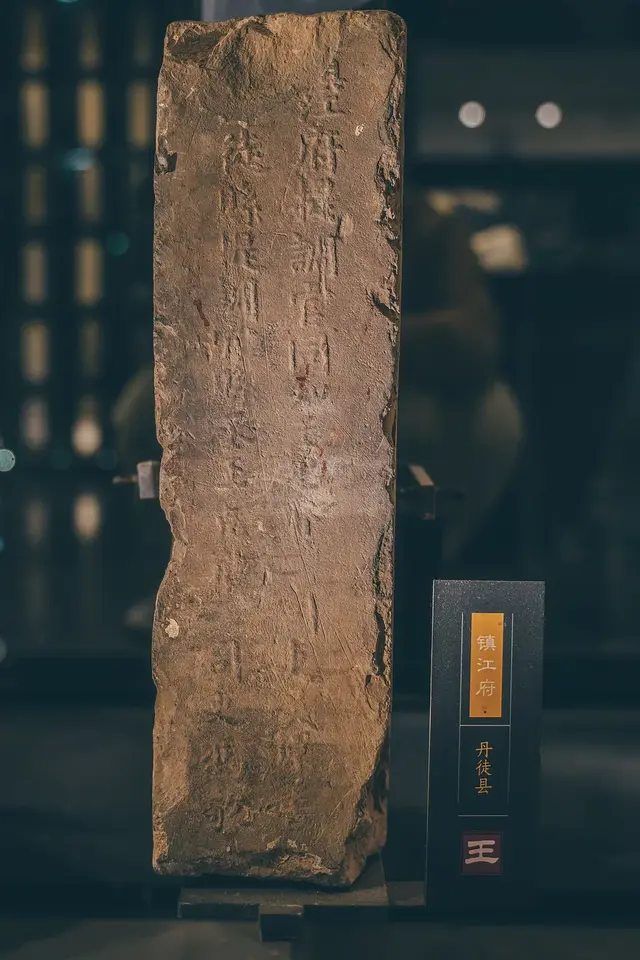
The Zheng Chenggong's Northern Expedition (郑成功北伐) was a massive military campaign undertaken from 1658 to 1659 (the twelfth to thirteenth years of the Yongli era of Southern Ming and the fifteenth to sixteenth years of the Shunzhi era of Qing) in which Grand General Zheng Chenggong (Koxinga) and War Minister Zhang Huangyan commanded over one hundred thousand naval and land troops up the Yangtze River to besiege Nanjing. Taking advantage of the redeployment of Qing elite armies to southwest China, Zheng Chenggong launched an expedition to strike Jiangnan, the fiscal heartland of the empire. In the summer of 1659, the Ming armada penetrated the Yangtze, capturing the fortresses of Guazhou and Zhenjiang while annihilating elite Manchu cavalry during the Battle of Mount Yin with heavy ironclad infantry. As Zhang Huangyan rallied over twenty inland counties in Anhui, Zheng's main force invested the walls of Nanjing, shaking the Qing regime. However, Qing Governor-General Lang Tingzuo feigned surrender negotiations, and Zheng Chenggong succumbed to complacency. On September 9, 1659, Qing commander Liang Huafeng launched a devastating midnight sortie through hidden water gates, supported by cavalry assaults that shattered the unprepared Ming encampments. Despite the tragic defeat and the loss of veteran commanders like Gan Hui, the campaign severely shaken Qing rule and directly catalyzed Zheng Chenggong's decision to cross the Taiwan Strait and expel the Dutch in 1661.
The initial northern expedition encountered a fierce typhoon off Zhejiang, forcing Zheng to retreat to Zhoushan to refit.
Zheng Chenggong and Zhang Huangyan mobilized three thousand vessels, penetrating the mouth of the Yangtze River.
Ming shock troops assaulted Guazhou, defeating Governor Zhu Guoguo and severing the Grand Canal route.
Zheng's Iron Man units crushed elite Qing Banner cavalry, capturing the strategic fortress of Zhenjiang.
Ming forces invested the walls of Nanjing, but Zheng Chenggong accepted Lang Tingzuo's false surrender offer.
Liang Huafeng launched a midnight sortie from hidden city gates, routing the Ming army and killing General Gan Hui.
Having suffered severe losses along the Yangtze, Zheng Chenggong resolved to cross the Taiwan Strait and expel the Dutch colonists.
In 1658 (the fifteenth year of the Shunzhi era), the Qing imperial court mobilized hundreds of thousands of veteran Manchu, Mongol, and Han Banner troops under commanders Hong Chengchou, Wu Sangui, and Prince Doni in a coordinated three-pronged offensive into Guizhou and Yunnan. Their goal was the total annihilation of the Southern Ming Yongli regime. Despite heroic resistance by Ming loyalist generals Li Dingguo and Liu Wenxiu in the rugged southwestern highlands, Ming forces were relentlessly pushed back. Kunming fell to the Qing armies, and the Yongli Emperor was forced to flee toward the Burmese border.
To sustain the massive invasion of southwestern China, the Qing court stripped coastal and interior provinces of their veteran mobile field armies, leaving the wealthy Yangtze Delta defended by thin, scattered garrisons. Based on the offshore island strongholds of Kinmen and Xiamen, Prince of Yanping Zheng Chenggong maintained an armada of thousands of junks and over one hundred thousand disciplined marines and ironclad infantry. Zheng recognized that passive defense would doom the loyalist cause. Striking directly at Nanjing, the auxiliary capital of the former Ming Dynasty and the pivot of the Grand Canal grain supply to Beijing, would force the Qing court to recall forces from the southwest and revitalize nationwide anti-Qing resistance.
In July 1658, Zheng Chenggong assembled his main fleet at Kinmen and sailed north. However, while navigating the waters of Yangshan near Zhoushan, Zhejiang, the armada was struck by a catastrophic typhoon. Over one hundred vessels capsized, thousands of experienced sailors and soldiers drowned, and several of Zheng's young sons perished. Exhibiting unyielding fortitude, Zheng Chenggong withdrew the battered remnants to Zhoushan, refitting damaged warships, recruiting new contingents, and restoring logistics over the winter months.
In May 1659, Zheng Chenggong renewed the campaign in conjunction with Zhejiang loyalist leader Zhang Huangyan. Leading over three thousand warships and more than one hundred thousand troops, the armada sailed into the mouth of the Yangtze River. The fleet seized Chongming, severed defensive river chains, and advanced upstream.
On July 5, 1659, Zheng's fleet reached Guazhou, the fortified nexus connecting the Grand Canal to the northern bank of the Yangtze. Qing River Patrol Governor Zhu Guoguo deployed defensive artillery and river squadrons. Personally commanding from the front, Zheng Chenggong dispatched assault divisions under Zhou Quanbin to storm the beaches under heavy gunfire. Ming troops overran the artillery redoubts and captured Zhu Guoguo, severing Qing waterborne logistics.
After securing Guazhou, Zheng Chenggong ferried his main forces across the Yangtze to assault the walled city of Zhenjiang. The Qing Commander-in-Chief of Jiangning, Guan Xiaozhong, rushed thousands of elite armored Banner cavalry from Nanjing to Mount Yin outside Zhenjiang. In the ensuing clash, Zheng Chenggong deployed his elite Iron Man units (Tierenjun), armored soldiers wielding massive double-edged broadswords designed to sever the legs of charging warhorses. Ming forces decimated the Banner cavalry, killing dozens of high-ranking Manchu officers. Guan Xiaozhong fled with only a handful of horsemen, and Zhenjiang opened its gates to the Ming army.
The triumph at Zhenjiang unhinged Qing control over the lower Yangtze. Zheng Chenggong detached Zhang Huangyan with a naval squadron to proceed upstream into Anhui. Zhang's disciplined troops were welcomed by local gentry, rapidly liberating four prefectures, three departments, and twenty-two counties across southern Anhui.
On August 24, 1659, Zheng Chenggong's grand army converged before the walls of Nanjing, establishing extensive fortified siege works around Mount Yuemiao and the northern gates. Inside the metropolis, Qing Governor-General Lang Tingzuo commanded only a few thousand demoralized troops. News of the siege caused profound panic in Beijing, where the Shunzhi Emperor contemplated leading an imperial relief column in person.
Facing imminent capitulation, Governor-General Lang Tingzuo fabricated a deceitful delay tactic. He dispatched an emissary to Zheng Chenggong, claiming that Qing imperial law pardoned the families of commanders who surrendered only after holding out for thirty days, begging Zheng to suspend hostilities for a month. Overconfident in his overwhelming numbers and eager to capture the ancient Ming capital intact, Zheng Chenggong naively agreed, ordering his troops to stand down and await surrender. Elite vanguard commander Gan Hui repeatedly pleaded with Zheng to storm the walls immediately, warning that the enemy was awaiting reinforcements, but Zheng dismissed his counsel.
On September 8, Qing General Liang Huafeng arrived with thousands of veteran reinforcements, slipping undetected through hidden sluice gates into the city. Observing that Ming siege lines were unguarded, with troops carousing and celebrating, Liang Huafeng executed a coordinated midnight sortie on September 9. Qing Banner cavalry and infantry charged out through the Sanshan Gate, driving directly into the vulnerable center of the Ming encampments. Caught completely unprepared, Ming ranks dissolved in panic. Vanguard generals Gan Hui and Wan Li fought fiercely until captured and executed after refusing to submit. Over ten thousand elite Ming troops fell in the rout, and Zheng Chenggong barely escaped aboard his flagship.
Prince of Yanping and supreme commander of the Southern Ming loyalist forces. A visionary naval strategist who orchestrated the brilliant advances to Guazhou and Zhenjiang, his tragic tactical overconfidence at Nanjing led to defeat, ultimately inspiring his historic expedition to liberate Taiwan.
Minister of War of Southern Ming and leader of the eastern Zhejiang resistance. A paragon of unyielding loyalty, he led the upstream campaign into Anhui, liberating over twenty counties before conducting guerrilla warfare in the Siming Mountains until his capture and execution.
The Middle Vanguard Commander of Zheng Chenggong's army. Renowned for fearless bravery and tactical insight, he accurately foresaw the deception of the Qing defenders at Nanjing; captured after fighting to the last man, he chose death over surrender.
The Qing Governor-General of Liangjiang. Facing overwhelming enemy numbers during the siege of Nanjing, he devised the thirty-day delay ruse that paralyzed Ming offensive operations, buying indispensable time for Qing reinforcements.
The Qing Brigade General of Chongming. A daring cavalry tactician who infiltrated Nanjing through secret water gates, he directed the decisive nocturnal sortie that shattered Zheng Chenggong's forces.
Zheng Chenggong's Northern Expedition constituted the deepest and most threatening strategic counteroffensive launched by Southern Ming loyalists. By seizing Guazhou and Zhenjiang and laying siege to the former imperial capital of Nanjing, Zheng's campaign terrified the Qing court in Beijing, disrupted canal transport, and temporarily relieved military pressure on Ming resistance fighters in southwest China.
The defeat at Nanjing cost Zheng Chenggong over ten thousand elite veteran soldiers and decimated his senior officer corps. Confined to the narrow islands of Kinmen and Xiamen against Qing coastal clearance edicts, the Ming loyalist movement faced severe logistical suffocation. This reality impelled Zheng Chenggong to look across the sea to Dutch-occupied Taiwan. In 1661, he launched his historic expedition across the Taiwan Strait, expelling Dutch colonial forces from Fort Zeelandia and establishing an enduring maritime Chinese base.